
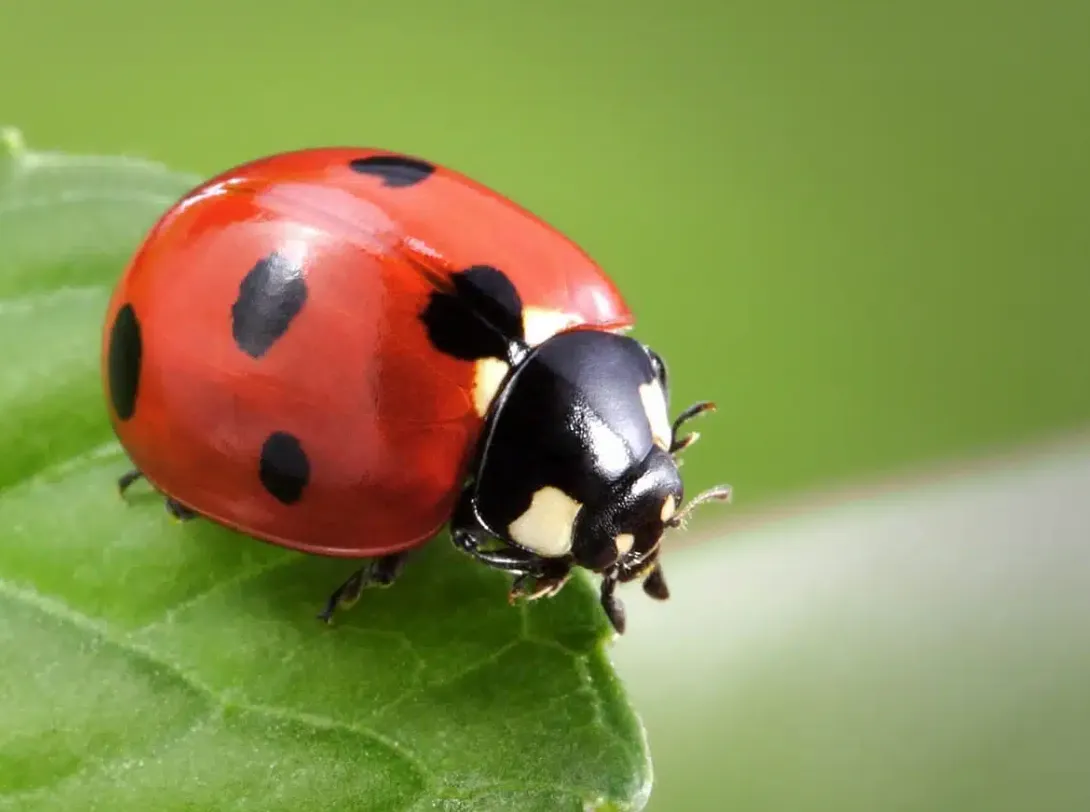
The ladybug life cycle is one of the most fascinating transformations found in the insect world. Ladybugs, also known as ladybirds or lady beetles, are small, colorful insects that play an important role in agriculture and natural ecosystems. Their bright red, orange, or yellow shells with black spots make them easy to recognize, but their journey from egg to adult is even more remarkable.
Ladybugs belong to the beetle family Coccinellidae. There are more than 6,000 species of ladybugs worldwide, and they can be found in gardens, forests, farms, and even urban areas. Farmers and gardeners love ladybugs because they are natural predators of pests such as aphids, mites, and scale insects. This makes them among the most valuable natural pest-control agents in the ecosystem.
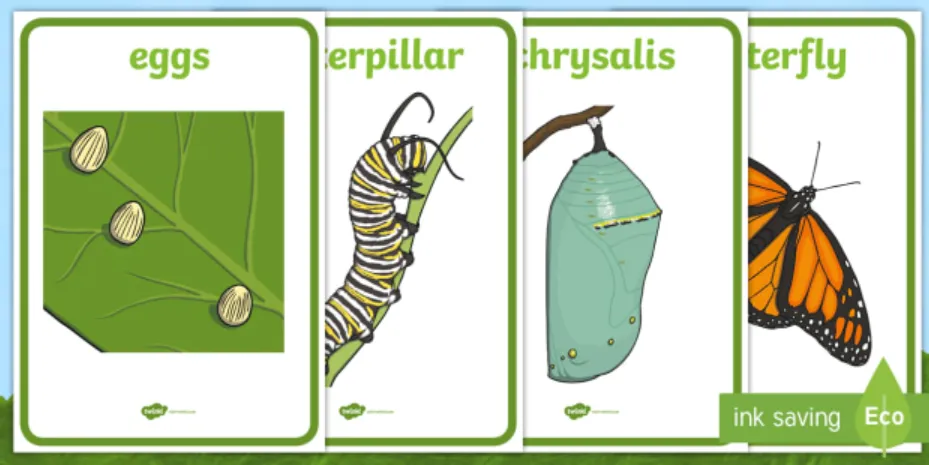
Understanding the ladybug life cycle helps people appreciate how these small insects contribute to environmental balance. Like butterflies, ladybugs undergo a process called complete metamorphosis, which means they pass through four distinct stages: egg, larva, pupa, and adult. Each stage has a unique appearance and function that supports its survival and growth.
In recent years, interest in ladybugs has grown as environmental awareness and sustainable farming practices have increased. Many gardeners intentionally attract ladybugs to their gardens to reduce the use of chemical pesticides. Additionally, scientists continue to study ladybugs better to understand their role in biodiversity and ecological stability.
Beyond their ecological importance, ladybugs are also symbols of luck and positivity in many cultures. From children’s stories to animated series like Miraculous: Tales of Ladybug & Cat Noir, these insects have captured the human imagination across generations.
In this article, we will explore the origin, evolution, life cycle, reproduction, and ecological importance of ladybugs. By the end, you will understand why this tiny insect has such a big impact on the natural world.
Their Evolution And Their Origin
Ladybugs have a long evolutionary history that dates back millions of years. Scientists believe that the ancestors of modern ladybugs evolved alongside flowering plants and plant-eating insects, which provided abundant food. Their development into specialized predators made them highly successful in many ecosystems.
Early Origins
Fossil records suggest that ladybugs appeared during the Cretaceous period, around 100 million years ago. During this time, flowering plants were rapidly diversifying, and many plant-feeding insects, such as aphids, were also becoming widespread. Ladybugs evolved as natural predators of these pests.
Over time, natural selection favored beetles that were better at locating and consuming plant pests. This adaptation allowed ladybugs to thrive in diverse environments worldwide.
Evolutionary Adaptations
Ladybugs developed several unique adaptations that contributed to their survival:
- Bright coloration (aposematism): Their red, orange, or yellow colors warn predators that they are not pleasant to eat.
- Chemical defenses: When threatened, ladybugs release a yellow fluid called reflex blood that tastes bitter to predators.
- Strong flight ability: Their wings allow them to travel long distances in search of food.
- Efficient predatory behavior: Both larvae and adult ladybugs consume large numbers of pests.
These evolutionary traits allowed ladybugs to spread across continents and adapt to different climates.
Global Distribution
Today, ladybugs are found almost everywhere except Antarctica. They thrive in areas where plants and small insects are abundant.
Major regions with high ladybug diversity include:
- North America
- Europe
- Asia
- Africa
- Australia
However, human activities have also influenced ladybug populations. For example, the Asian lady beetle (Harmonia axyridis) was introduced to many countries to control pests. While helpful in agriculture, it has sometimes outcompeted native species.
Modern Research and Evolutionary Insights
Modern genetic studies in 2024–2026 have helped scientists better understand ladybug evolution. DNA analysis shows how different species adapted to different ecological niches. Some species specialize in aphids, while others feed on scale insects or even pollen.
These discoveries highlight the incredible adaptability of ladybugs and explain why they remain one of the most successful insect groups in nature.
The History Of Their Scientific Naming
The scientific classification of ladybugs has evolved over centuries as scientists learned more about insect diversity. Their formal naming follows the biological classification system used for all living organisms.
Key Points in Their Scientific Naming
- Family Name – Coccinellidae
- Ladybugs belong to the family Coccinellidae, which comes from the Latin word coccineus, meaning “scarlet” or “bright red.”
- First Scientific Descriptions
- Early 18th-century naturalists began describing different ladybug species. Swedish scientist Carl Linnaeus, the father of modern taxonomy, played a major role in categorizing insects.
- Binomial Nomenclature System
- Each ladybug species receives a two-part scientific name.
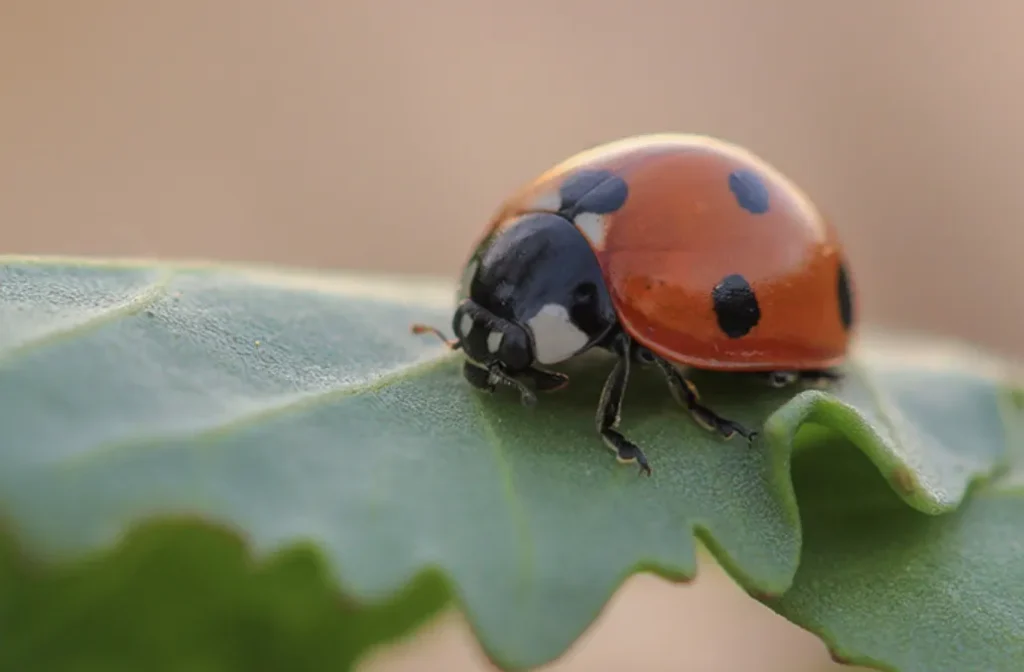
- Example: Coccinella septempunctata (the seven-spotted lady beetle).
- Common Names Around the World
- Different names in various regions know ladybugs:
- Ladybird (United Kingdom)
- Lady beetle (North America)
- Ladybug (common global usage)
- Religious Influence on the Name
- The term “ladybird” originated in Europe and refers to “Our Lady,” meaning the Virgin Mary. Farmers believed ladybugs were blessings that protected crops.
- Modern Taxonomic Updates
- Today, scientists continue to revise ladybug classification using genetic research. As of 2026, there are over 6,000 identified species.
This scientific naming system helps researchers identify species accurately and study their ecological roles worldwide.
Important Things That You Need To Know
Ladybugs are more than just colorful insects. Many interesting topics related to them are often searched for online, including their meanings, appearances, and differences between species.
Below are several important aspects related to ladybugs.
Ladybug
The term “ladybug” is commonly used in North America to refer to beetles of the family Coccinellidae. Despite their name, they are not true bugs but actually beetles.
They are widely considered beneficial insects because they eat plant pests such as aphids. A single ladybug can consume 50 or more aphids per day, making them valuable allies for farmers and gardeners.
Ladybug Drawing
Many people search for ladybug drawing ideas because of their simple, round shape, which makes them easy and fun to illustrate. Children’s books, educational materials, and art classes frequently use ladybugs as beginner drawing subjects.
Artists often highlight their distinctive features:
- Rounded red shell
- Black spots
- Small head and antennae
- Six tiny legs
These features make ladybugs recognizable worldwide.
Ladybug Meaning
In many cultures, the ladybug is associated with luck, protection, and good fortune. In European folklore, spotting a ladybug was believed to bring blessings for crops and families.
Even today, many people see ladybugs as symbols of positivity and hope.
Ladybug vs Asian Beetle
The difference between ladybugs and Asian beetles is a common topic among gardeners. The Asian lady beetle resembles native ladybugs but has a few distinguishing traits:
- Lighter orange color
- M-shaped marking behind the head
- More aggressive behavior
While they still eat pests, Asian lady beetles sometimes invade homes during colder months.
Orange Ladybug
The orange ladybug is another variation found in many regions. Its bright orange shell may have black spots or sometimes none at all.
Color differences in ladybugs often depend on species and environmental conditions.
Miraculous Ladybug Movie
The popularity of ladybugs extends beyond science. The animated series Miraculous: Tales of Ladybug & Cat Noir and its movie adaptation introduced millions of children to the insect’s iconic spotted appearance.
Although fictional, the show has increased global interest in ladybugs and their real-life characteristics.
Their Life Cycle and Ability to Survive in Nature
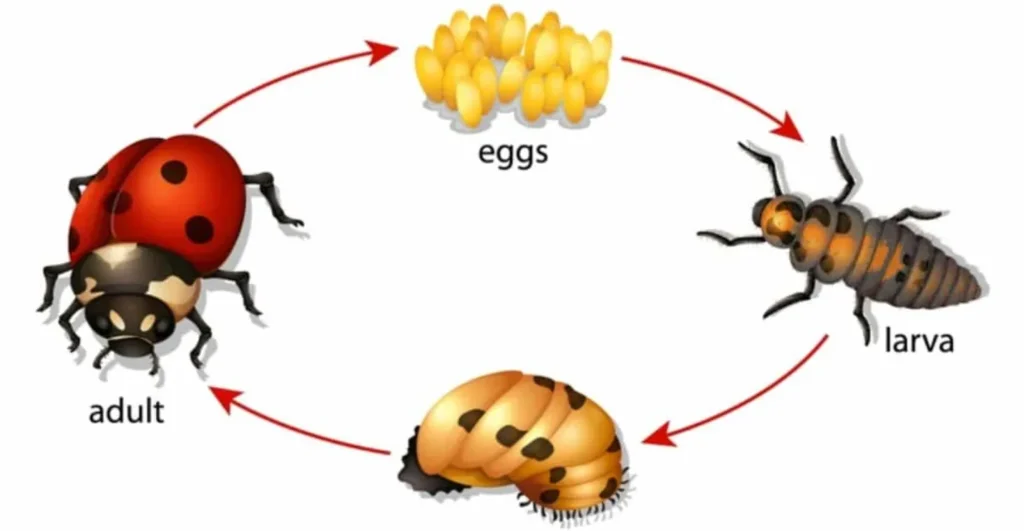
The ladybug life cycle consists of four stages, a process known as complete metamorphosis. Each stage plays an essential role in the insect’s development and survival.
1. Egg Stage
Female ladybugs lay clusters of 10–50 tiny yellow eggs on the underside of leaves. These locations are usually near aphid colonies, so newly hatched larvae have food immediately.
The eggs typically hatch within 3–10 days, depending on temperature and environmental conditions.
2. Larva Stage
The ladybug larvae look nothing like adult ladybugs. They resemble tiny alligators with elongated bodies and small spines.
During this stage:
- Larvae feed aggressively on aphids and other pests.
- A single larva can eat hundreds of aphids during its development.
- The larva molts several times as it grows.
This stage lasts about 2–4 weeks.
3. Pupa Stage
After the larva reaches its full size, it attaches itself to a leaf and forms a pupa.
Inside the pupa, dramatic changes occur as the insect transforms into an adult. This stage usually lasts 7–10 days.
4. Adult Stage
When the adult emerges, its shell is soft and pale. Within a few hours, the wings harden and develop the familiar bright colors.
Adult ladybugs can live up to one year depending on environmental conditions.
Survival Strategies in Nature
Ladybugs survive in nature through several strategies:
- Camouflage and warning colors
- Chemical defenses against predators
- Migration to warmer areas during winter
- Ability to eat a wide variety of small insects
These survival traits make ladybugs highly adaptable and resilient insects.
Their Reproductive Process and Raising Their Children
Ladybugs reproduce through a fascinating process that ensures the survival of their species. Their reproductive cycle is closely linked to seasonal changes and food availability.
1. Mating Process
Ladybug mating usually occurs during spring and early summer when food sources like aphids are abundant.
During mating:
- Male ladybugs locate females through chemical signals.
- The mating process can last from several minutes to several hours.
- After fertilization, females search for ideal locations to lay eggs.
2. Egg Laying
Female ladybugs lay clusters of eggs near insect colonies to ensure their larvae will have food immediately after hatching.
Key features of egg laying include:
- Eggs are bright yellow or orange.
- Each female can lay hundreds of eggs during her lifetime.
- Eggs are placed on leaves, stems, or plant surfaces.
3. Larval Care
Unlike mammals, ladybugs do not provide direct parental care. However, they increase their offspring’s survival chances by laying eggs in safe, food-rich environments.
Some interesting behaviors include:
- Females sometimes lay unfertilized eggs that serve as food for newly hatched larvae.
- This strategy helps the strongest larvae survive during the first few days.
4. Growth Toward Adulthood
Once larvae hatch, they begin feeding immediately and grow rapidly.
Within three to four weeks, they enter the pupal stage and later emerge as adult ladybugs ready to reproduce.
This efficient reproductive system allows ladybug populations to grow quickly when conditions are favorable.
Importance of Them in Ecosystem
Ladybugs play a crucial role in maintaining ecological balance. Their presence benefits both natural habitats and agricultural systems.
1. Natural Pest Control
Ladybugs are among the most effective natural predators of plant pests.
They feed on:
- Aphids
- Mites
- Whiteflies
- Scale insects
A single ladybug can eat thousands of pests during its lifetime, reducing the need for chemical pesticides.
2. Supporting Sustainable Agriculture
Farmers often release ladybugs into crop fields as part of biological pest control programs.
This practice helps:
- Protect crops naturally
- Reduce pesticide use
- Maintain soil health
3. Biodiversity Indicators
Ladybugs are considered bioindicators, meaning their population health reflects the overall condition of an ecosystem.
Healthy ladybug populations often indicate:
- Balanced insect communities
- Reduced pollution
- Healthy plant diversity
4. Food Chain Contribution
Ladybugs are also part of the food chain.
Their predators include:
- Birds
- Frogs
- Spiders
- Small mammals
Even though they have chemical defenses, they are still food for some animals.
5. Educational and Scientific Value
Ladybugs are frequently used in classrooms to teach children about insect life cycles and environmental conservation.
Their simple and visible metamorphosis makes them excellent examples of biological development.
Frequently Asked Questions (FAQs)
1. What are the stages of the ladybug life cycle?
The four stages are egg, larva, pupa, and adult.
2. How long does a ladybug live?
Most ladybugs live around 6 months to 1 year, depending on species and environmental conditions.
3. What do ladybug larvae eat?
Ladybug larvae primarily eat aphids, but they may also consume mites, small insects, and insect eggs.
4. Are ladybugs harmful to humans?
No, ladybugs are harmless to humans. In fact, they are beneficial because they help control pest populations.
5. Why are ladybugs red with black spots?
Their bright colors act as warning signals to predators, indicating that they taste bad or may release defensive chemicals.
6. What is the difference between ladybugs and Asian lady beetles?
Asian lady beetles are similar in appearance but may have M-shaped markings on their heads and sometimes invade homes during winter.
7. Where do ladybugs live?
Ladybugs live in gardens, forests, farms, grasslands, and urban environments where insects and plants are abundant.
8. Why are ladybugs considered lucky?
Many cultures believe ladybugs bring good luck, prosperity, and protection, especially for crops and farmers.
Conclusion
The ladybug life cycle is a remarkable example of nature’s ability to transform and adapt. From tiny eggs hidden under leaves to brightly colored adult beetles flying across gardens, ladybugs go through a fascinating journey of growth and development.
Throughout their four life stages—egg, larva, pupa, and adult—ladybugs demonstrate incredible efficiency and resilience. Each stage serves a specific purpose in their survival and reproduction. The larval stage focuses on feeding and growth, while the pupal stage prepares the insect for its final transformation into adulthood.
Beyond their life cycle, ladybugs play a vital role in maintaining ecological balance. Their ability to control harmful insect populations makes them one of the most valuable natural allies for farmers and gardeners. In sustainable agriculture, ladybugs are widely recognized as environmentally friendly pest control agents.
Their evolutionary success and global distribution highlight their adaptability. Over millions of years, ladybugs have evolved defensive strategies, bright warning colors, and strong predatory instincts, allowing them to thrive in diverse environments.
Culturally, ladybugs have become symbols of luck, hope, and positivity. From folklore to modern entertainment like the Miraculous Ladybug franchise, they continue to capture human imagination.
As environmental awareness grows in 2026 and beyond, understanding insects like ladybugs becomes increasingly important. Protecting their habitats and encouraging their presence in gardens can help maintain biodiversity and reduce reliance on harmful chemicals.
In the end, the humble ladybug proves that even the smallest creatures can have a powerful impact on the natural world.
Also Read About: Axolotl Life Cycle





Leave a Reply