
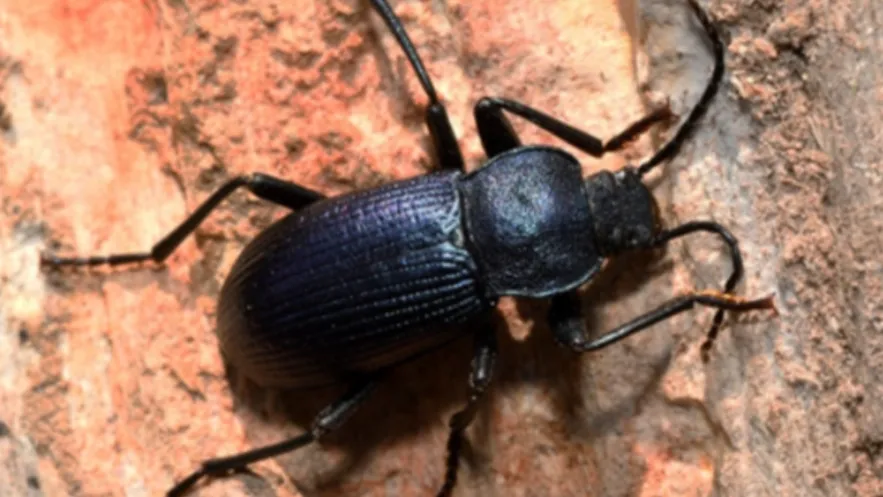
The darkling beetle life cycle is a fascinating process that reveals how resilient and adaptable these insects are in diverse environments. Found across deserts, forests, and even human habitats, darkling beetles (family Tenebrionidae) play a crucial role in ecosystems worldwide. Their ability to survive harsh conditions, especially in arid climates, makes them one of the most studied beetle species in entomology.
Darkling beetles are commonly recognized by their dark-colored bodies and slow movement. However, beneath this simple appearance lies a complex biological system that ensures their survival and reproduction. From darkling beetle eggs to larvae (often called mealworms), pupae, and finally adult beetles, each stage of their life cycle serves a unique purpose.
These beetles are not only important in nature but are also widely used in scientific research, the animal feed industry, and even sustainable farming practices. Understanding their lifecycle helps scientists develop better ecological models and sustainable solutions.
Interestingly, many people encounter darkling beetle larvae without realizing it—these are the same mealworms used as pet food. Despite their harmless nature, myths about darkling beetle bites persist, though they rarely pose a threat to humans.
In this comprehensive guide, we will explore their evolution, scientific classification, life cycle, reproductive behavior, ecological importance, and how we can protect them for the future. By the end, you will have a deep understanding of why darkling beetles are far more important than they appear.
Their Evolution And Their Origin
Darkling beetles belong to the family Tenebrionidae, one of the largest beetle families, with over 20,000 species worldwide. Their evolutionary journey dates back millions of years, making them one of the oldest surviving insect groups.
Ancient Origins
Fossil records suggest that darkling beetles first appeared during the Mesozoic era, around 200 million years ago. During this period, Earth’s climate was drastically different, yet these beetles adapted and thrived.
Their ability to evolve alongside changing environments is one of their strongest survival traits. Unlike many species that went extinct, darkling beetles diversified into multiple forms and habitats.
Adaptation to Harsh Environments
One of the most remarkable evolutionary traits of darkling beetles is their adaptation to arid and desert environments. Species like the Namib Desert beetle can collect water from fog using specialized body structures.
Over time, they developed:
- Thick exoskeletons to reduce water loss
- Nocturnal behavior to avoid heat
- Efficient digestive systems to extract maximum nutrients
These adaptations helped them survive extreme climates where few other insects could live.
Diversification Across Continents
As continents shifted and ecosystems changed, darkling beetles spread globally. Today, they are found on every continent except Antarctica.
Their evolutionary success is largely due to:
- Flexible diets (detritivores, scavengers)
- High reproductive rates
- Ability to thrive in both wild and human environments
Modern Evolutionary Role (2026 Insight)
Recent research in 2026 highlights their importance in sustainable ecosystems. Scientists are studying darkling beetles for:
- Waste decomposition systems
- Sustainable protein sources
- Climate adaptation models
Their long evolutionary history continues to influence modern ecological research, proving that these beetles are not just survivors but key contributors to environmental balance.
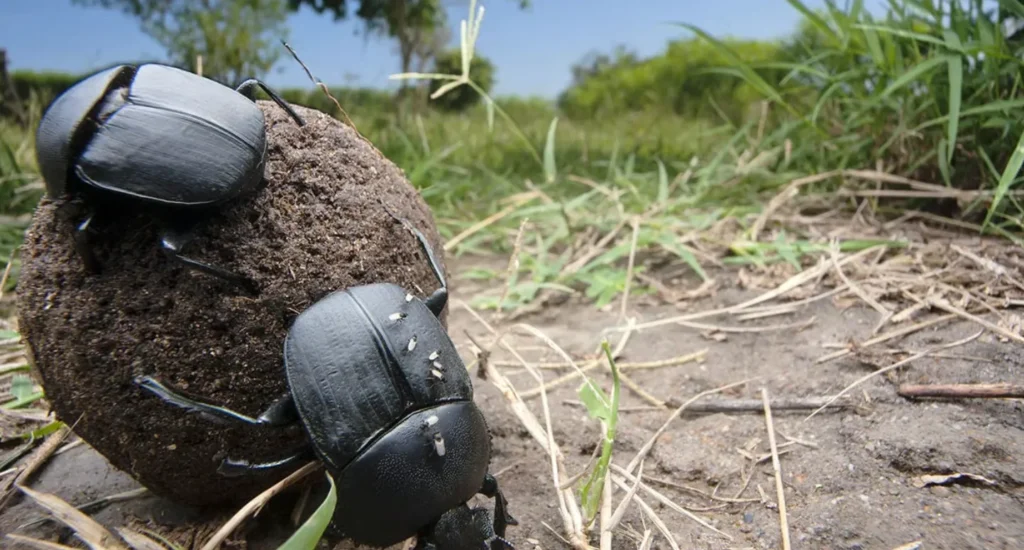
The History Of Their Scientific Naming
The scientific classification of darkling beetles has evolved over centuries as researchers gained a deeper understanding of their diversity and biological traits.
Key Points in Scientific Naming
- Family Name – Tenebrionidae
- The name comes from the Latin word tenebrio, meaning “darkness,” reflecting their dark-colored bodies and nocturnal habits.
- First Classification (18th Century)
- Early entomologists like Carl Linnaeus began categorizing beetles, but the detailed classification of darkling beetles came later.
- Expansion of Genera and Species
- As exploration increased, scientists discovered thousands of species, leading to the expansion of genera within the family.
- Modern Taxonomy (2026 Update)
- With genetic analysis, scientists now classify darkling beetles based on DNA rather than just physical traits. This has improved the accuracy of species identification.
- Common Names vs Scientific Names
- While commonly called darkling beetles, different species have unique names, such as Tenebrio molitor (mealworm beetle).
- Importance of Scientific Naming
- Scientific naming ensures global consistency, allowing researchers worldwide to study and communicate effectively about these insects.
This structured naming system helps scientists better understand evolutionary relationships and ecological roles.
Their Life Cycle and Ability to Survive in Nature
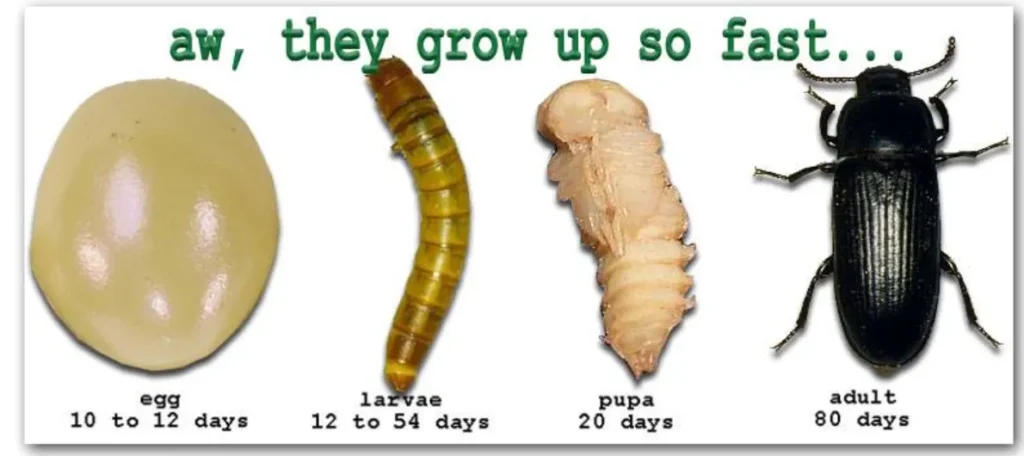
The darkling beetle life cycle consists of four main stages, known as complete metamorphosis. Each stage plays a critical role in their development and survival.
Life Cycle Stages
- Egg Stage
- Female beetles lay hundreds of tiny, white darkling beetle eggs in soil or organic material. These eggs hatch within 1–2 weeks.
- Larval Stage (Mealworms)
- The larvae, commonly known as mealworms, are highly active feeders. This stage lasts several weeks to months, depending on environmental conditions.
- Pupal Stage
- During this stage, the larvae transform into adult beetles. They remain inactive while their bodies undergo major changes.
- Adult Stage
- Fully developed beetles emerge, ready to reproduce and continue the cycle.
Survival Abilities
Darkling beetles are incredibly resilient due to:
- Efficient water conservation
- Ability to survive on minimal food
- Adaptation to extreme temperatures
They can live in deserts, forests, and even stored grain environments, showcasing their adaptability.
Important Things That You Need To Know
Understanding key aspects of darkling beetles clarifies their behavior, biology, and interactions with humans.
Key LSI Insights
- darkling beetle
- These beetles are harmless insects known for their dark, hard shells and slow movement. They are commonly found in dry environments.
- darkling beetle larvae
- The larval stage, known as the mealworm stage, is widely used as animal feed and in scientific studies.
- darkling beetle bite
- Despite common myths, darkling beetles rarely bite humans and are not dangerous.
- darkling beetle eggs
- These are tiny and often hidden in soil, making them difficult to detect.
- darkling beetle lifespan & size
- Most species live between 3 months to over a year, depending on conditions. Their size varies from a few millimeters to over 3 cm.
These key facts highlight why darkling beetles are both ecologically important and misunderstood.
Their Reproductive Process and Raising Their Children
Darkling beetles reproduce efficiently, ensuring the survival of their species even in harsh environments.
Reproductive Process
- Mating Behavior
- Adult beetles mate multiple times throughout their lifespan.
- Egg Laying
- Females lay hundreds of eggs in safe, hidden environments like soil or decaying matter.
- Favorable Conditions
- Warm temperatures and adequate food supply increase reproductive success.
Raising Their Young
- No Parental Care
- Unlike mammals, darkling beetles do not care for their offspring after laying eggs.
- Self-Sufficient Larvae
- Once hatched, larvae feed independently and grow rapidly.
- Natural Selection
- Only the strongest larvae survive, ensuring a healthy population.
Survival Strategy
Their high reproductive rate compensates for natural threats such as predators and environmental changes.
This strategy allows darkling beetles to maintain stable populations across different ecosystems.
Importance of Them in Ecosystem
Darkling beetles play a vital role in maintaining ecological balance.
Key Ecological Contributions
- Decomposition
- They break down dead plants and organic matter, recycling nutrients into the soil.
- Soil Enrichment
- Their activities improve soil fertility and structure.
- Food Source
- They serve as prey for birds, reptiles, and small mammals.
- Waste Management
- In some ecosystems, they help reduce the accumulation of organic waste.
- Sustainable Agriculture (2026 Insight)
- Scientists are exploring their use in composting and sustainable farming systems.
Without darkling beetles, ecosystems would struggle to recycle nutrients efficiently.
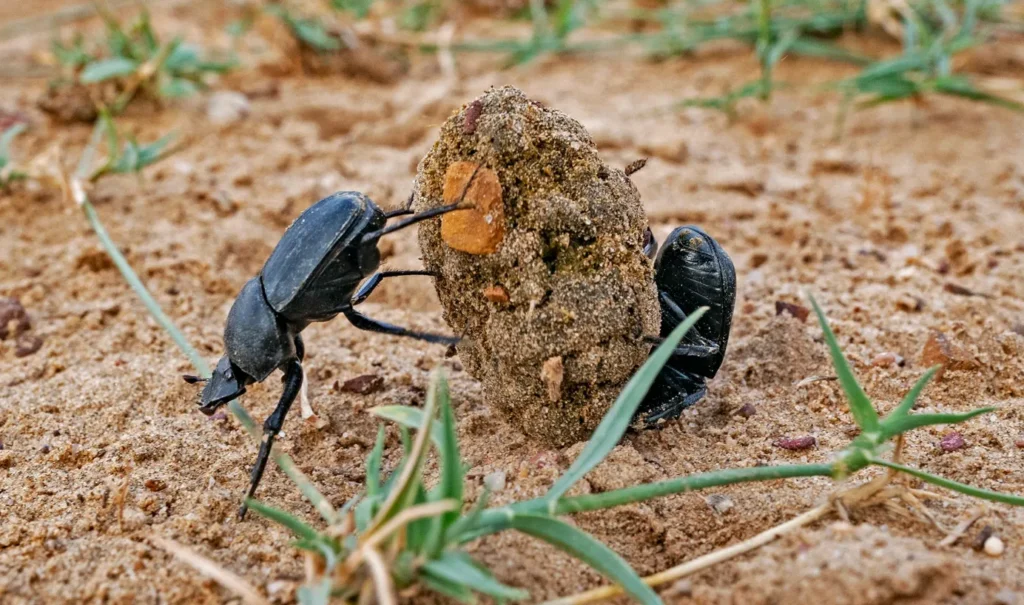
What to Do to Protect Them in Nature and Save the System for the Future
Protecting darkling beetles is essential for preserving ecological balance and biodiversity.
Steps to Protect Them
- Preserve Natural Habitats
- Avoid destroying soil and organic environments where they live.
- Reduce Pesticide Use
- Chemical pesticides can harm beetle populations.
- Promote Sustainable Farming
- Use eco-friendly practices that support beneficial insects.
- Encourage Composting
- Compost systems provide ideal habitats for darkling beetles.
- Support Research and Education
- Increase awareness about their ecological importance.
- Protect Desert Ecosystems
- Many species thrive in deserts, which are vulnerable to climate change.
- Avoid Unnecessary Killing
- Darkling beetles are harmless and beneficial.
- Create Micro-Habitats
- Small garden habitats can support their populations.
By taking these steps, we can ensure that darkling beetles continue to support ecosystems for future generations.
Frequently Asked Questions (FAQs)
1. What is the darkling beetle’s life cycle?
It includes four stages: egg, larva (mealworm), pupa, and adult.
2. Are darkling beetles harmful to humans?
No, they are harmless and rarely bite.
3. How long do darkling beetles live?
Their lifespan ranges from a few months to over a year.
4. What do darkling beetle larvae eat?
They feed on grains, organic matter, and decaying material.
5. Where are darkling beetles found?
They are found worldwide, especially in dry and desert regions.
6. Can darkling beetles fly?
Most species cannot fly as their wings are fused.
7. Why are they important in ecosystems?
They help decompose organic matter and recycle nutrients.
8. How can I identify a darkling beetle?
They are dark-colored, slow-moving, and have hard shells.
Conclusion
The darkling beetle life cycle is a remarkable example of nature’s efficiency and resilience. From tiny eggs to fully developed adults, each stage is carefully designed to ensure survival in even the harshest environments.
These beetles have evolved over millions of years, adapting to changing climates and ecosystems. Their ability to thrive in deserts, forests, and human environments highlights their incredible flexibility. Beyond their survival skills, they play a critical role in maintaining ecological balance by decomposing organic matter and enriching soil.
Despite their importance, darkling beetles are often overlooked or misunderstood. Many people are unaware of their contributions to sustainable ecosystems and scientific research. With growing environmental challenges in 2026, their role has become even more significant.
Protecting these beetles is not just about preserving a single species—it is about maintaining the health of entire ecosystems. By reducing harmful practices, supporting sustainable agriculture, and increasing awareness, we can ensure their continued survival.
Also Read About: Cycle Life of Mosquito






Leave a Reply