
The hornworm life cycle is one of the most fascinating transformations in the insect world, especially for gardeners, farmers, and nature enthusiasts. Hornworms, commonly known as the tomato hornworm and tobacco hornworm, are large green caterpillars that can quickly become the center of attention due to their size and appetite. These insects belong to the sphinx moth family, and their journey from egg to adult moth is both complex and ecologically significant.
Understanding the hornworm life cycle is crucial not only for pest control but also for appreciating their role in nature. While many gardeners ask, “Should I kill tomato hornworm?”, the answer isn’t always straightforward. These caterpillars, though destructive to crops, are also vital contributors to biodiversity and food chains.
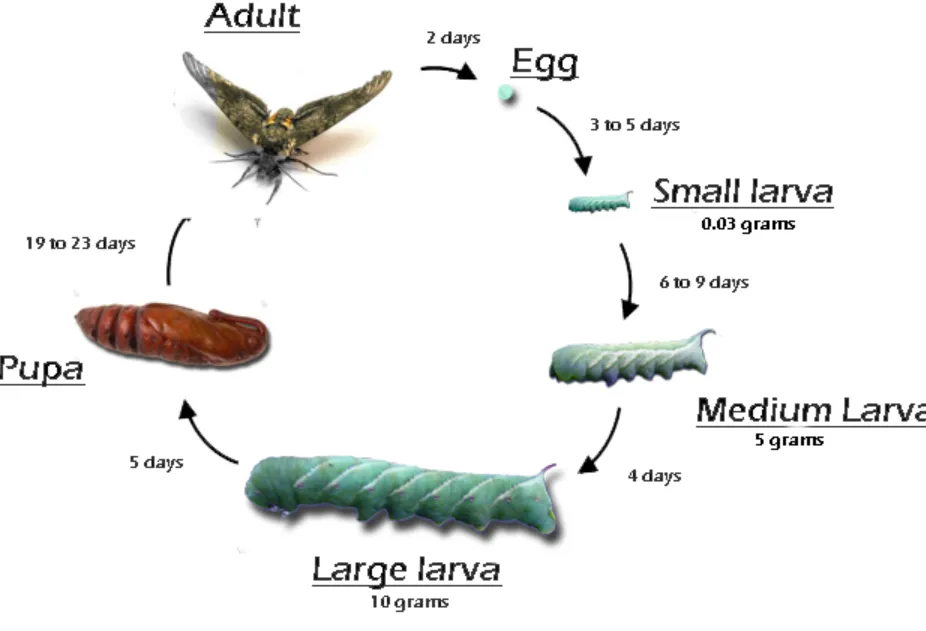
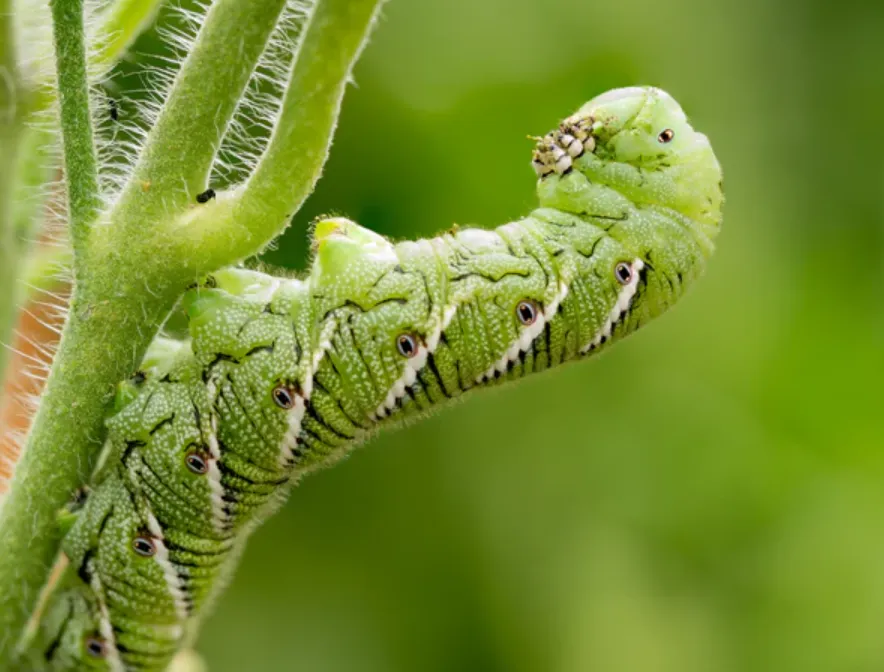
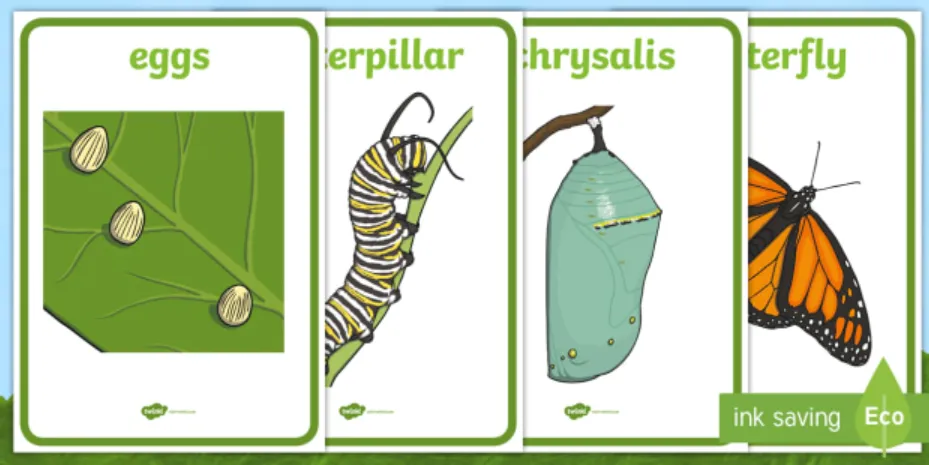
The life cycle includes four main stages: egg, larva (caterpillar), pupa, and adult moth. Each stage plays a unique role in their survival and adaptation. The hornworm caterpillar stage is particularly notable because it is when the insect feeds aggressively, storing energy for metamorphosis.
In 2026, with growing awareness about ecological balance, more people are learning to manage hornworms responsibly rather than eliminate them. This guide will walk you through everything—from their origin and scientific classification to their reproductive behavior and ecological importance.
By the end of this article, you’ll have a deep understanding of the tomato hornworm life cycle, how they survive, and what role they play in maintaining natural ecosystems.
Their Evolution And Their Origin
Hornworms belong to the family Sphingidae, often called hawk moths or sphinx moths. Their evolutionary journey dates back millions of years, making them among the oldest and most adaptable insect groups.
These insects likely evolved during the early diversification of flowering plants. As plants developed chemical defenses, hornworms adapted by evolving specialized digestive systems that enabled them to feed on toxic plants such as tomatoes and tobacco.
Adaptation and Survival
Hornworms have developed several remarkable adaptations:
- Their bright green color acts as camouflage among leaves
- The horn-like structure on their tail deters predators
- They can metabolize plant toxins, making them less appealing to predators
The tobacco hornworm and tomato hornworm share a common ancestor but diverged due to differences in host plants and geographic distribution.
Geographic Origin
Hornworms are native to North and South America. Over time, they spread across different regions due to climate adaptability and agricultural expansion.
- Tomato hornworms are commonly found in North America
- Tobacco hornworms are more prevalent in warmer regions
Their ability to adapt to various climates has allowed them to thrive even as environmental conditions change in 2026.
Evolutionary Role
From an evolutionary standpoint, hornworms are important pollinators in their adult stage. The hornworm moth has a long proboscis, allowing it to feed on nectar from deep flowers.
This relationship between moths and plants demonstrates co-evolution—where both species evolve together for mutual benefit.
Modern Scientific Insights (2026)
Recent studies show that hornworms are being used in scientific research:
- As models for studying metabolism and detoxification
- In neuroscience experiments, due to their simple nervous system
- In ecological studies to understand plant-insect interactions
Their resilience and adaptability highlight why hornworms have survived for millions of years and continue to play a vital role in ecosystems today.
The History of Their Scientific Naming
The scientific naming of hornworms reflects their biological classification and evolutionary relationships. Below are key points explaining their taxonomy:
- Family Classification: Hornworms belong to the Sphingidae family, known for fast-flying moths
- Genus Identification: Most common species fall under the genus Manduca
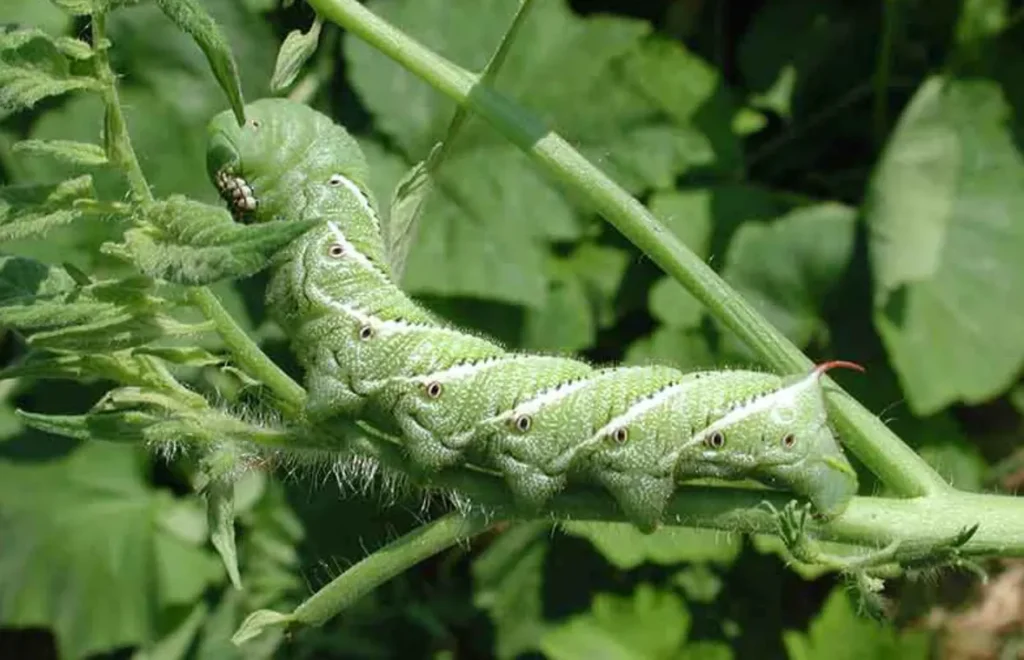
- Tomato Hornworm Name: Scientifically called Manduca quinquemaculata
- Tobacco Hornworm Name: Known as Manduca sexta
Historical Background
- Carl Linnaeus first formalized the naming system in the 18th century.
- Early scientists classified hornworms based on their host plants
- Differences in markings helped distinguish between species
Meaning Behind the Names
- Manduca refers to their chewing ability
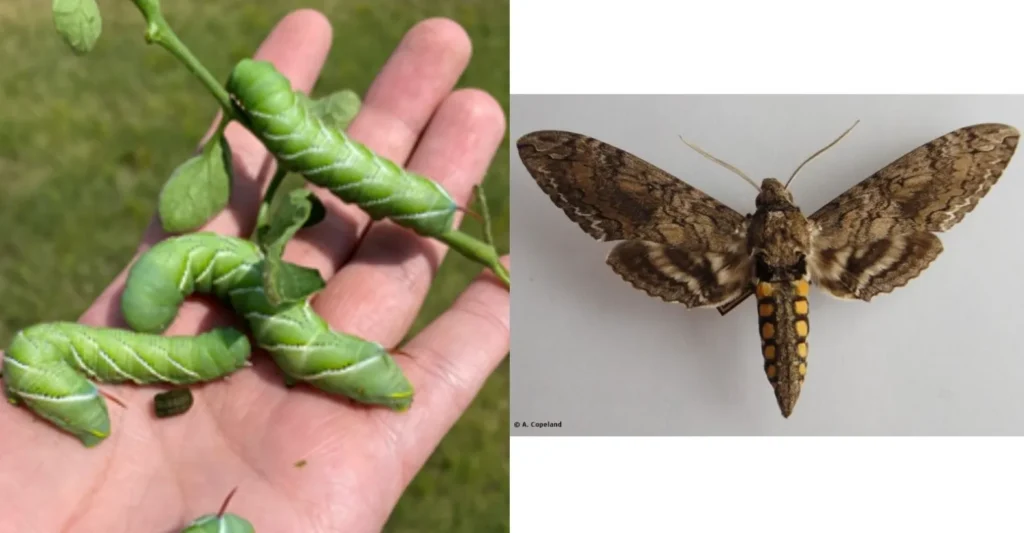
- Quinquemaculata means “five-spotted,” referring to markings on the moth
- Sexta indicates classification order in early taxonomy
Scientific Advancements
- DNA analysis in modern research confirms their close relationship
- Despite similarities, tomato and tobacco hornworms remain distinct species
- Their classification continues to evolve with genetic research
Understanding their scientific naming helps researchers track species behavior, evolution, and ecological roles more accurately.
Important Things That You Need To Know
The hornworm life cycle involves several key species and stages that every nature enthusiast should understand. Here are some essential insights:
Key LSI Keywords Explained
- hornworm – A general term for large green caterpillars in the Sphingidae family
- Tomato hornworm – A species that feeds primarily on tomato plants
- tobacco hornworm – Similar to tomato hornworms but prefers tobacco plants
- hornworm moth – The adult stage of the hornworm, also called a sphinx moth
- hornworm caterpillar – The larval stage responsible for most plant damage
Understanding Their Behavior
The tomato hornworm life cycle is often misunderstood. Many people only notice them during the destructive caterpillar stage. However, their transformation into a tomato hornworm moth is equally important.
These moths are strong fliers and can travel long distances in search of food and breeding sites. They are also nocturnal, making them less visible but highly active at night.
Should You Kill Them?
A common question is: Should I kill a tomato hornworm?
The answer depends on your goal:
- If protecting crops is the priority, controlled removal may be necessary
- If maintaining biodiversity is important, consider relocating them
Hornworms are also hosts for beneficial parasitic wasps, which naturally control their population.
Why They Matter
Despite being pests, hornworms contribute to:
- Pollination by adult moths
- Supporting food chains
- Maintaining ecological balance
Understanding these aspects helps you make informed decisions about managing hornworms rather than eliminating them.
Their life cycle and ability to survive in nature
The hornworm life cycle consists of four distinct stages, each designed to maximize survival.
1. Egg Stage
- Female moths lay eggs on the underside of leaves
- Eggs hatch within 5–10 days
- Placement protects them from predators
2. Larva (Caterpillar Stage)
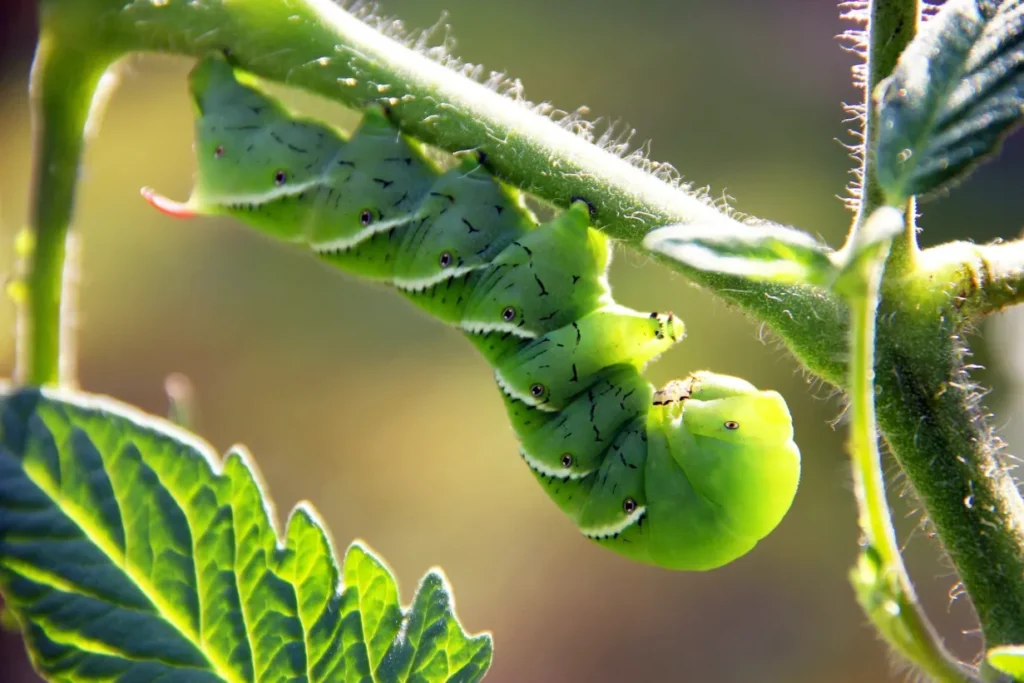
- The hornworm caterpillar grows rapidly
- Feeds continuously on leaves
- Can increase in size up to 10,000 times
3. Pupa Stage
- Burrows into soil to pupate
- Forms a protective cocoon
- This stage can last several weeks
4. Adult Stage
- Emerges as a hornworm moth
- Focuses on reproduction and pollination
- Lives for a few weeks
Survival Strategies
- Camouflage helps avoid predators
- Rapid growth reduces vulnerability
- Chemical defenses deter attackers
Their ability to adapt at each stage ensures high survival rates, even in challenging environments.
Their Reproductive Process and raising their children
Hornworms have a highly efficient reproductive system that ensures the continuation of their species.
Mating Behavior
- Adult moths release pheromones to attract mates
- Mating usually occurs at night
- Males locate females through scent
Egg Laying
- Females lay hundreds of eggs
- Eggs are placed on suitable host plants
- Ensures immediate food availability for larvae
Parental Strategy
Unlike mammals, hornworms do not care for their young after laying eggs. However, their reproductive strategy compensates for this.
Key Points
- High egg count increases survival chances
- Strategic placement ensures food access
- Rapid development reduces exposure to predators
Larval Independence
Once hatched, larvae are fully independent:
- Begin feeding immediately
- Grow quickly to avoid predation
- Develop defense mechanisms early
This efficient reproductive cycle allows hornworms to thrive despite environmental challenges.
The importance of them in the ecosystem
Hornworms play a crucial role in maintaining ecological balance.
Key Contributions
- Pollination: Adult moths pollinate night-blooming flowers
- Food Source: Caterpillars serve as food for birds and insects
- Biological Control: Host-parasitic wasps that control populations
Ecosystem Balance
- Help regulate plant growth
- Support biodiversity
- Contribute to nutrient cycling
Scientific Importance
- Used in research studies
- Help understand ecological interactions
Despite their reputation as pests, hornworms are essential components of healthy ecosystems.
What to do to protect them in nature and save the system for the future
Protecting hornworms while maintaining agricultural balance is possible with mindful practices.
- Encourage natural predators like birds and wasps
- Avoid excessive pesticide use
- Practice organic gardening methods
- Relocate hornworms instead of killing them
- Plant diverse crops to reduce infestation
- Maintain soil health for natural cycles
- Support biodiversity in your garden
- Educate others about their ecological role
These steps help preserve both crops and ecological balance.
Frequently Asked Questions (FAQs)
1. What is the hornworm life cycle?
It includes four stages: egg, larva, pupa, and adult moth.
2. How long does a hornworm live?
The full life cycle lasts about 30–50 days, depending on conditions.
3. Are tomato hornworms harmful?
Yes, they can damage plants but also play ecological roles.
4. Should I kill a tomato hornworm?
Not always—consider relocating or using natural control methods.
5. What does a hornworm turn into?
It becomes a sphinx moth, also known as a hawk moth.
6. How can I identify a tobacco hornworm?
They have diagonal white stripes, unlike tomato hornworms.
7. Do hornworms bite humans?
No, they are harmless to humans.
8. Why are hornworms important?
They contribute to pollination and support food chains.
Conclusion
The hornworm life cycle is a remarkable example of nature’s complexity and adaptability. From tiny eggs hidden beneath leaves to large, voracious caterpillars and finally to elegant moths, each stage plays a vital role in their survival and ecological contribution.
While hornworms are often viewed as pests due to their impact on crops, especially tomatoes and tobacco, their importance extends far beyond agriculture. They are essential pollinators, a food source for many animals, and a key part of natural biological control systems. Understanding their life cycle helps us make more balanced decisions about managing them.
In 2026, as environmental awareness continues to grow, the focus has shifted from eliminating species to maintaining ecological harmony. Instead of asking only “should I kill tomato hornworm?”, we are now exploring sustainable ways to coexist with them.
By learning about their evolution, scientific classification, reproduction, and ecological importance, we gain a deeper appreciation for these fascinating insects. Protecting hornworms doesn’t mean sacrificing crops—it means adopting smarter, more sustainable practices.
Also Read About: Darkling Beetle Life Cycle






Leave a Reply