
Mosquitoes are among the most widely recognized insects on Earth, often associated with nuisance bites and disease transmission. However, beyond their reputation, the life cycle of mosquitoes is a fascinating biological process that plays a crucial role in ecosystems worldwide. Found in nearly every part of the globe except Antarctica, mosquitoes have adapted remarkably well to different climates and environments.
Understanding the mosquito life cycle is essential not only for scientific curiosity but also for effective mosquito control strategies. Their rapid reproduction, ability to thrive in diverse habitats, and resilience make them one of the most successful insect species. From stagnant water bodies to urban environments, mosquitoes have evolved to exploit even the smallest water sources for breeding.
In 2026, research continues to reveal how environmental changes, urbanization, and climate shifts are influencing mosquito populations. These insights are critical for developing sustainable pest control methods and minimizing their impact on human health.
Interestingly, mosquitoes are not entirely harmful. They serve as food for many species and contribute to ecological balance. By studying their life cycle—from egg to larva, pupa, and adult—we gain a deeper appreciation of their role in nature.
This article explores every aspect of the mosquito’s life cycle, including its origin, evolution, reproductive behavior, ecological importance, and how humans can coexist with them while managing risks effectively.
Their Evolution And Their Origin
Mosquitoes belong to the family Culicidae, and their evolutionary journey dates back over 100 million years. Fossil evidence suggests that mosquitoes existed during the age of dinosaurs, making them one of the oldest insect groups still thriving today.
Their origin is closely tied to aquatic environments. Early mosquito ancestors evolved from flies that laid eggs in water. Over time, they developed specialized mouthparts for feeding and adapted to various ecological niches.
Evolutionary Adaptations
Mosquitoes have undergone several evolutionary changes that contributed to their survival:
- Specialized Feeding Mechanism
- Female mosquitoes evolved needle-like mouthparts (proboscis) to pierce skin and extract blood. This adaptation provides the protein necessary for egg development.
- Aquatic Larval Stage
- Their larvae developed the ability to live in water and feed on microorganisms. This allows them to exploit a wide range of breeding sites.
- Flight Efficiency
- Mosquitoes evolved lightweight bodies and efficient wings, enabling them to travel long distances in search of hosts and breeding grounds.
- Sensory Adaptation
- Modern mosquitoes can detect carbon dioxide, body heat, and even human scent, making them highly effective at locating hosts.
Geographic Expansion
Over millions of years, mosquitoes spread across continents through natural migration and environmental changes. Their ability to adapt to tropical, temperate, and even cold regions has made them globally dominant.
Climate change over the past few decades has further influenced their distribution. Warmer temperatures and increased humidity have expanded their range, especially in urban areas.
Survival Through Time
Mosquitoes have survived multiple mass extinctions due to:
- Rapid reproduction cycles
- Genetic adaptability
- Ability to utilize diverse habitats
Today, there are over 3,500 known mosquito species, each adapted to specific environmental conditions.
Their long evolutionary history explains why they remain resilient even in the face of modern control measures.
The History Of Their Scientific Naming
The scientific classification of mosquitoes has evolved over centuries as entomologists studied their anatomy, behavior, and genetic traits.
Key Points in Scientific Naming
- Family Name: Culicidae
- Mosquitoes belong to the family Culicidae, derived from Latin meaning “gnat” or “small fly.”
- Genus Classification
- The most well-known genera include:
- Anopheles (malaria vectors)
- Aedes (dengue, Zika carriers)
- Culex (common house mosquitoes)
- Carl Linnaeus Contribution
- The Swedish scientist Carl Linnaeus played a major role in early classification systems during the 18th century.
- Modern Taxonomy
- Advances in DNA sequencing have refined mosquito classification, allowing scientists to identify species more accurately.
- Naming Based on Behavior and Habitat
- Some species are named based on where they breed or their feeding habits.
- Ongoing Discoveries
- New mosquito species are still being discovered and classified, especially in tropical regions.
Scientific naming helps researchers communicate globally and develop targeted control strategies for specific mosquito species.
Their Life Cycle and Ability to Survive in Nature
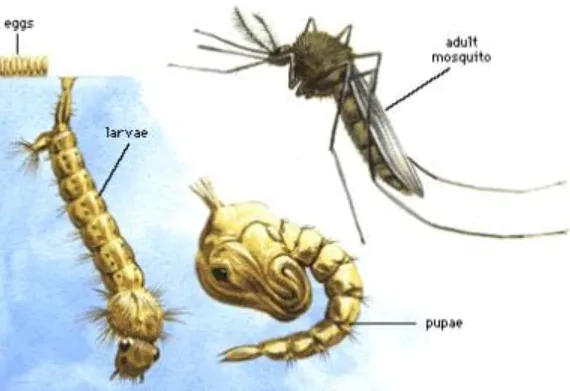
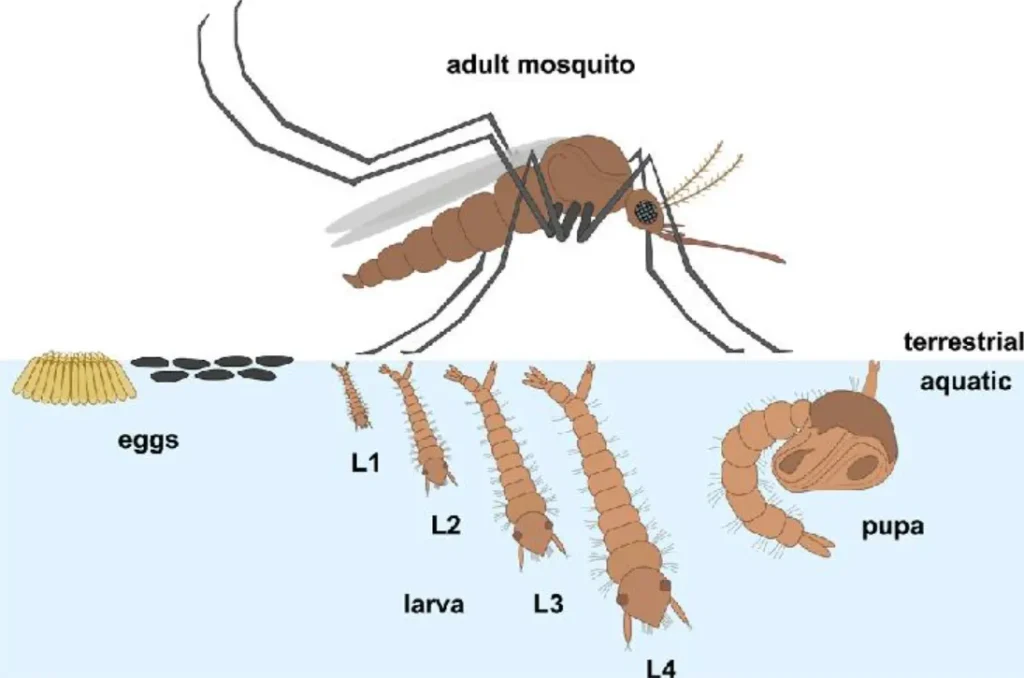
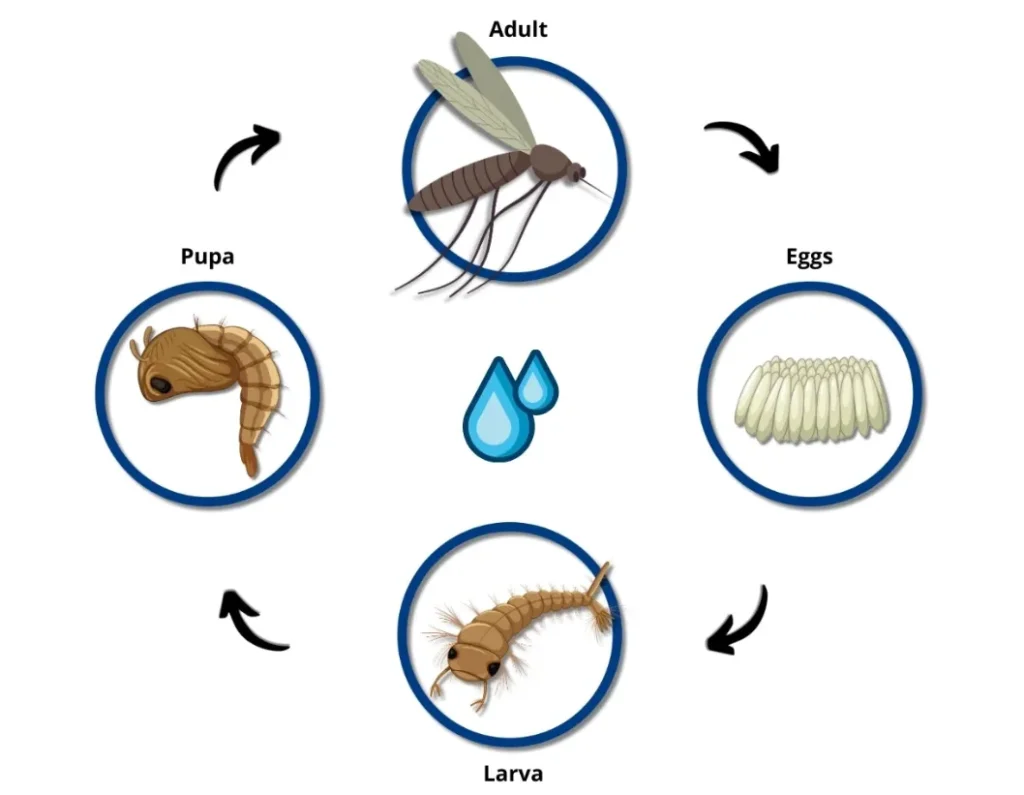
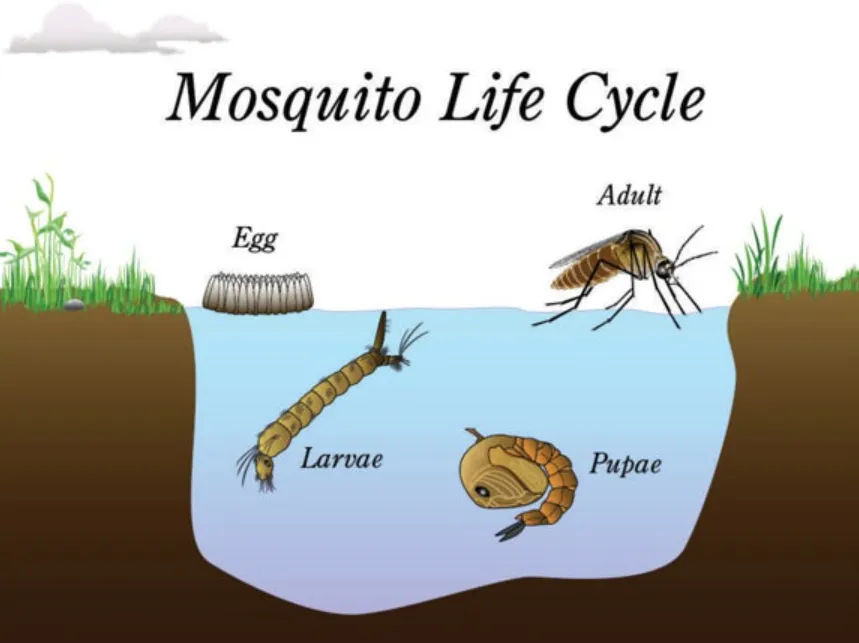
The life cycle of a mosquito consists of four distinct stages: egg, larva, pupa, and adult. This complete metamorphosis allows them to adapt efficiently to their environment.
Life Cycle Stages
- Egg Stage
- Female mosquitoes lay eggs on water surfaces or damp areas. Some species lay hundreds of eggs at once.
- Larva Stage (Wigglers)
- Larvae live in water and feed on organic matter and microorganisms. They breathe through siphon tubes at the water surface.
- Pupa Stage (Tumblers)
- Pupae do not feed but remain active. This stage prepares the mosquito for adulthood.
- Adult Stage
- Adult mosquitoes emerge from the water and begin flying. Males feed on nectar, while females seek blood meals.
Survival Abilities
- Mosquitoes can develop in very small water sources
- Eggs can survive dry conditions for months
- Rapid life cycle (7–14 days) enables fast population growth
- Adaptability to urban and rural environments
Their ability to reproduce quickly and survive harsh conditions makes them difficult to control.
Their Reproductive Process and Raising Their Children
Mosquito reproduction is highly efficient and ensures the survival of future generations.
Reproductive Process
- Mating Behavior
- Male mosquitoes form swarms, and females enter these swarms to mate.
- Blood Feeding Requirement
- Female mosquitoes require blood to produce eggs, as it provides the essential proteins they need.
- Egg Production
- After feeding, females lay eggs within a few days.
Raising Their Young
- Egg Placement
- Eggs are laid in water or areas prone to flooding.
- Larval Development
- Larvae feed and grow rapidly, molting several times.
- Protection Mechanism
- Eggs are often laid in clusters or rafts to increase survival chances.
- Minimal Parental Care
- Mosquitoes do not care for their young after laying eggs; survival depends on environmental conditions.
- High Reproductive Rate
- A single female can lay hundreds of eggs during her lifetime.
This reproductive efficiency is a key factor in the rapid growth of mosquito populations.
Importance of Them in the Ecosystem
Despite their negative reputation, mosquitoes play vital roles in ecosystems.
Ecological Importance
- Food Source
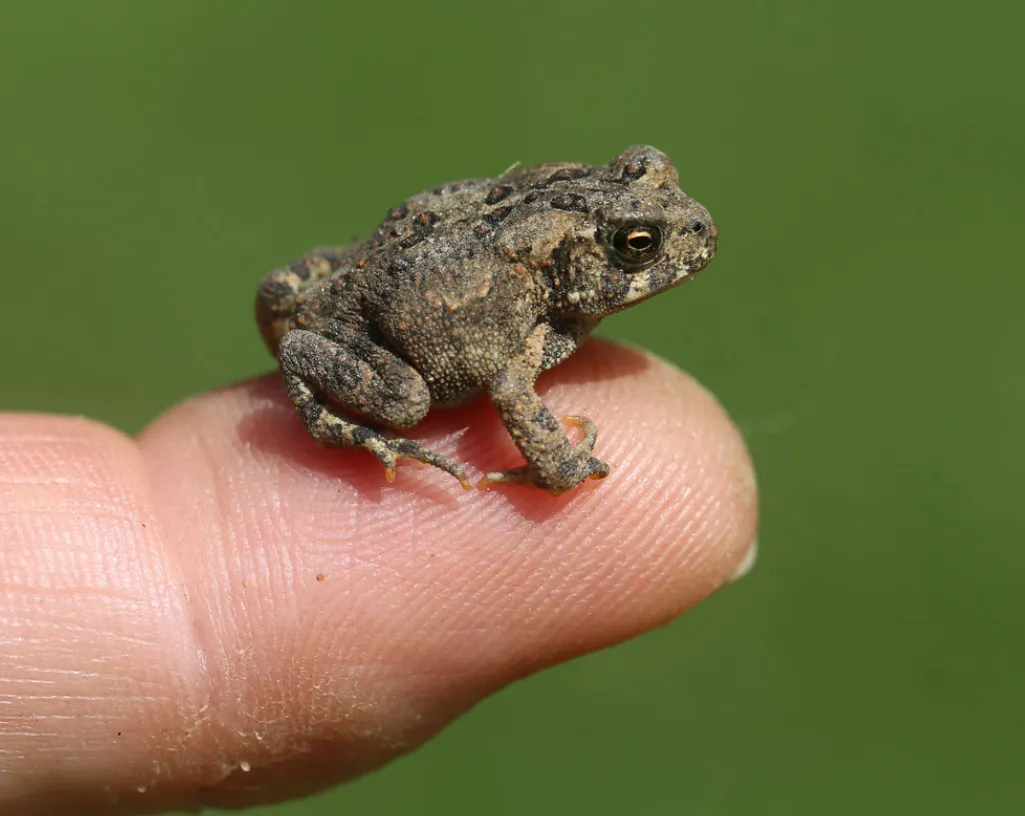
- Mosquitoes serve as food for birds, fish, frogs, and insects.
- Pollination
- Male mosquitoes feed on nectar and help pollinate plants.
- Nutrient Recycling
- Larvae contribute to the breakdown of organic matter in water.
- Supporting Biodiversity
- They are part of complex food webs.
- Indicator Species
- Mosquito populations can indicate environmental changes.
Removing mosquitoes entirely could significantly disrupt ecosystems.
Important Things That You Need To Know
Understanding related concepts and tools helps in managing mosquitoes effectively.
In modern times, people often search for solutions like mosquito control near me, use products such as mosquito dunks, or explore natural alternatives.
Key Insights About LSI Keywords
- Mosquito
- The term encompasses thousands of species with diverse behaviors.
- Mosquito Dunks
- These are biological control products that kill larvae in water without harming other wildlife.
- Mosquito Hawk
- Often mistaken for a mosquito, it is actually a crane fly and does not bite humans.
- Mosquito Control Near Me
- Professional services help reduce mosquito populations using eco-friendly methods.
- Mosquito Larvae
- The aquatic stage is the best target for control measures.
- Mosquito Repellent Plants
- Plants like citronella, lavender, and basil can help repel mosquitoes naturally.
- Natural Mosquito Repellent
- Essential oils and herbal solutions are increasingly popular.
- Best Mosquito Repellent
- Includes both chemical and natural options depending on user preference.
These concepts are essential for understanding how humans manage mosquito populations safely and effectively.
What to do to protect them in nature and save the system for the future
While controlling mosquitoes is important, protecting ecological balance is equally essential.
Sustainable Practices
- Avoid the overuse of chemical pesticides
- Promote natural predators like fish and birds
- Use eco-friendly mosquito control methods
- Preserve wetlands and natural habitats
- Educate communities about balanced control
- Encourage biological control solutions
- Support research on sustainable pest management
- Maintain biodiversity to regulate mosquito populations naturally
Balancing control and conservation ensures long-term ecological health.
Frequently Asked Questions (FAQs)
1. How long is the life cycle of a mosquito?
Typically, 7 to 14 days, depending on species and environmental conditions.
2. Do all mosquitoes bite humans?
No, only female mosquitoes bite, and not all species prefer humans.
3. Where do mosquitoes lay eggs?
In stagnant water, damp soil, or containers holding water.
4. What kills mosquito larvae?
Biological agents, such as mosquito dunks and natural predators.
5. Are mosquito hawks dangerous?
No, mosquito hawks (crane flies) do not bite or harm humans.
6. What is the best mosquito repellent?
Both chemical repellents (such as DEET) and natural options like citronella are effective.
7. Why are mosquitoes important?
They support food chains and help in pollination.
8. Can mosquitoes survive without water?
No, water is essential for their early life stages.
Conclusion
The life cycle of the mosquitoes is a remarkable example of biological efficiency and adaptability. From their ancient origins to their modern-day presence across the globe, mosquitoes have proven to be one of the most resilient insect species.
Their life cycle—spanning egg, larva, pupa, and adult stages—demonstrates a perfectly evolved system that allows rapid reproduction and survival in diverse environments. While they are often viewed negatively due to their role in spreading diseases, it is important to recognize their ecological significance.
Mosquitoes contribute to food chains, pollination, and nutrient recycling. Eliminating them could disrupt ecosystems in ways we do not fully understand. Therefore, the goal should not be complete eradication but balanced control.
In 2026, advancements in mosquito research and eco-friendly control methods are helping humans manage mosquito populations more responsibly. From biological solutions like mosquito dunks to natural repellents and habitat management, there are many ways to reduce their impact without harming the environment.
By understanding their life cycle and ecological role, we can make informed decisions that protect both human health and the natural world. Ultimately, coexistence—supported by science and sustainability—is the key to effectively managing mosquitoes in the future.
Also Read About: ladybug Lifecycle





Leave a Reply