
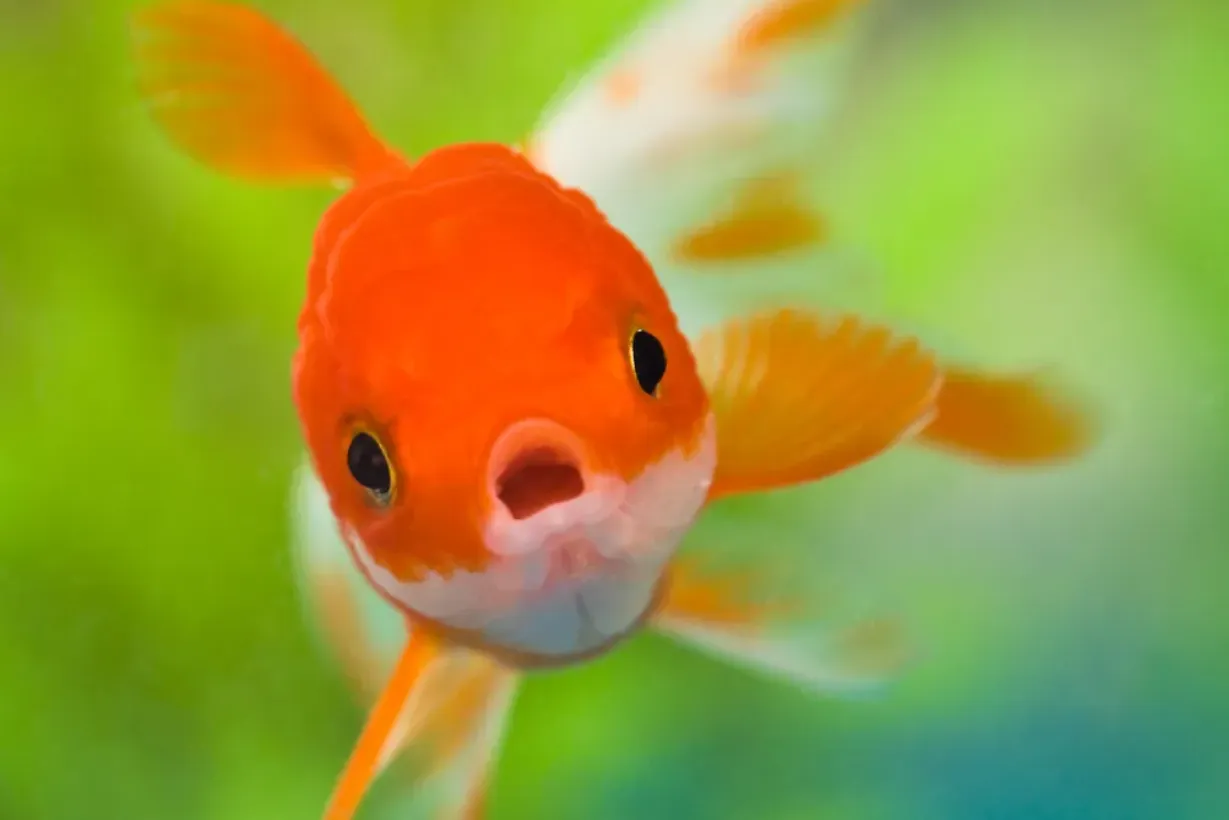
The fish life cycle is one of the most fascinating natural processes in the aquatic world. From a tiny egg floating in water or attached to plants, rocks, or nests, a fish gradually develops into a larva, fry, juvenile, and finally a mature adult. This journey appears simple from the outside, but biological changes, survival challenges, and ecological significance mark each stage.
Fish live in almost every type of water environment, including rivers, ponds, lakes, wetlands, coral reefs, deep oceans, and even extreme habitats. According to current global fish taxonomy records, more than 37,000 valid fish species are recognized, underscoring the diversity of fish.
Understanding the fish life cycle helps us learn how aquatic ecosystems work, why clean water is important, and how overfishing, pollution, climate change, and habitat destruction affect fish populations. Fish are not only food for humans and wildlife; they also control insects, recycle nutrients, maintain food chains, and support millions of livelihoods worldwide. FAO’s latest global fisheries data show that fisheries and aquaculture reached record production in 2022, underscoring the importance of fish for food security and economic development.
Q: What are the main stages of the fish life cycle?
A: The main stages are egg, larva, fry, juvenile, adult, and spawning adult.
Q: How long does a fish’s life cycle take?
A: It depends on the species. Some small fish mature in a few months, while larger fish may take several years to reach adulthood.
Q: Do all fish lay eggs?
A: Most fish lay eggs, but some species, such as certain sharks, rays, guppies, and mollies, give birth to live young.
Quick Life Cycle Table
| Life Stage | What Happens | Survival Needs |
| Egg | A fertilized egg develops into an embryo | Clean water, oxygen, and a safe nesting area |
| Larva | Newly hatched fish use the yolk sac for food | Gentle water flow, low predators, oxygen |
| Fry | Young fish begin active feeding | Small plankton, shelter, warm, suitable water |
| Juvenile | Body shape becomes similar to that of adult fish | Food supply, hiding places, stable habitat |
| Adult | Fish reach maturity and grow stronger | Balanced food, space, and a healthy Ecosystem |
| Spawning Adult | Mature fish reproduce and start the cycle again | Breeding ground, correct season, water quality |
Important Things That You Need To Know
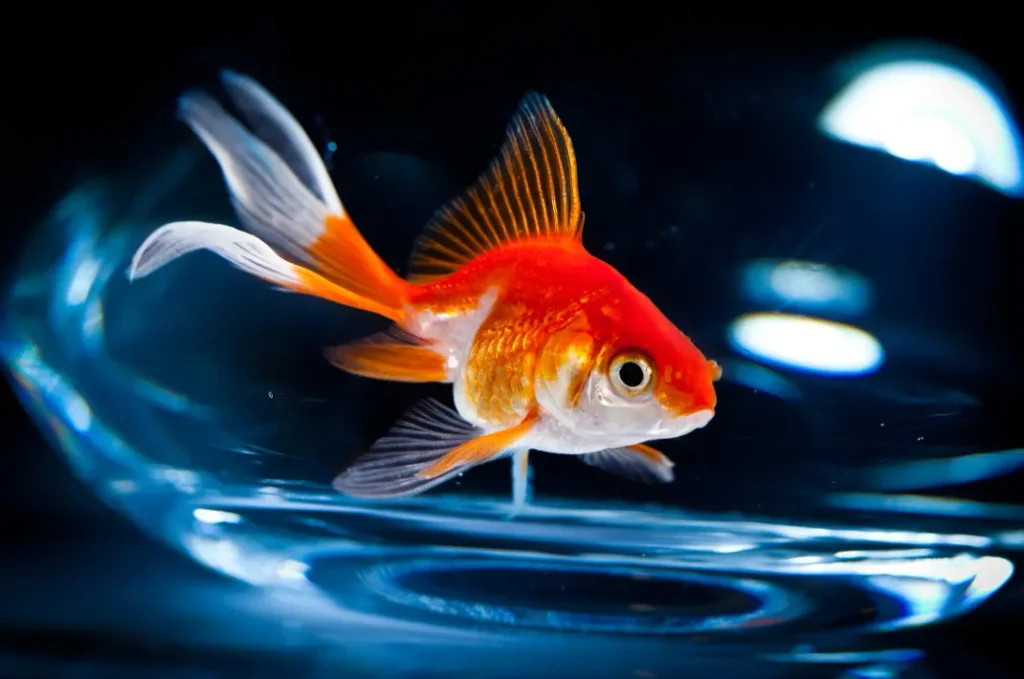
The word ‘fish‘ does not describe a single animal. It refers to a huge group of aquatic vertebrates that breathe mainly through gills and usually move with fins. This group includes bony fish, cartilaginous fish, and jawless fish. Bony fish include common species such as carp, salmon, tilapia, tuna, and goldfish. Cartilaginous fish include sharks, rays, and skates. Jawless fish include lampreys and hagfish.
The fish life cycle can vary widely among species. A pond fish may lay eggs among plants, while a salmon may migrate from the ocean back to freshwater rivers to spawn. Some reef fish release eggs into open water, while some male fish guard nests until the eggs hatch.
The LSI keyword fish is important because it connects many related search topics, including fish habitat, fish food, fish reproduction, fish eggs, and fish survival. These related ideas help readers understand the complete biological and ecological role of fish.
Fish also have huge value for humans. They provide protein, omega-3 fatty acids, income, and employment. At the same time, wild fish populations depend on clean rivers, healthy wetlands, connected waterways, and balanced harvesting. If breeding areas are damaged, the entire fish life cycle can be interrupted.
In simple words, protecting fish means protecting water, food chains, biodiversity, and future food security.
The History of Their Scientific Naming
The scientific naming of fish has a long history, closely linked to biology, taxonomy, and classification.
- The word “fish” is a common English name, not a scientific name for a single species.
- In older biological classification, many fish were grouped under Pisces. However, modern taxonomy does not treat Pisces as a single formal class because fish are extremely diverse and do not form a neat, single evolutionary group like birds or mammals.
- Modern scientists classify fish primarily within the Phylum Chordata and the Subphylum Vertebrata because they have a backbone, or vertebral column.
- Fish are often grouped into three broad categories: jawless fish, cartilaginous fish, and bony fish.
- Scientific names follow binomial nomenclature. For example, the common carp is Cyprinus carpio, and Atlantic salmon is Salmo salar.
- The study of fish is called ichthyology, from the Greek word ichthys meaning ‘fish’.
Today, fish naming continues to evolve as researchers discover new species, revise old names, and use DNA analysis to understand relationships better. Recent species discoveries show that fish taxonomy is still active and evolving.
Their Evolution And Their Origin
The origin of fish goes back hundreds of millions of years. Fish are among the earliest known vertebrates, and their evolution shaped the history of life on Earth. Fossil evidence suggests that early vertebrate-like animals appeared during the Cambrian Period, more than 500 million years ago. Some early forms had simple bodies, primitive nerve systems, and basic structures that later became important in vertebrate evolution.
The earliest fish-like vertebrates were mostly jawless. They did not have strong biting jaws like modern fish. Instead, they used simple mouth structures to feed. Over time, major changes emerged, including stronger body support, better swimming muscles, improved sensory organs, and, eventually, jaws.
Jaws were one of the most important evolutionary developments. They allowed fish to catch prey, bite food, defend themselves, and explore new feeding styles. This helped fish become highly successful in both freshwater and marine environments.
Later, two major groups became dominant: cartilaginous fish and bony fish. Cartilaginous fish, such as sharks and rays, have skeletons made mostly of cartilage. Bony fish have skeletons made mostly of bone and have become the most diverse fish group on Earth.
Fish also played a key role in the evolution of land animals. Some ancient lobe-finned fish developed strong fin bones and breathing adaptations that eventually contributed to the rise of early tetrapods. These tetrapods later gave rise to amphibians, reptiles, birds, and mammals.
In short, the story of fish is not only the story of aquatic animals. It is also part of the larger story of vertebrate life, adaptation, survival, and biodiversity.
Their main food and its collection process
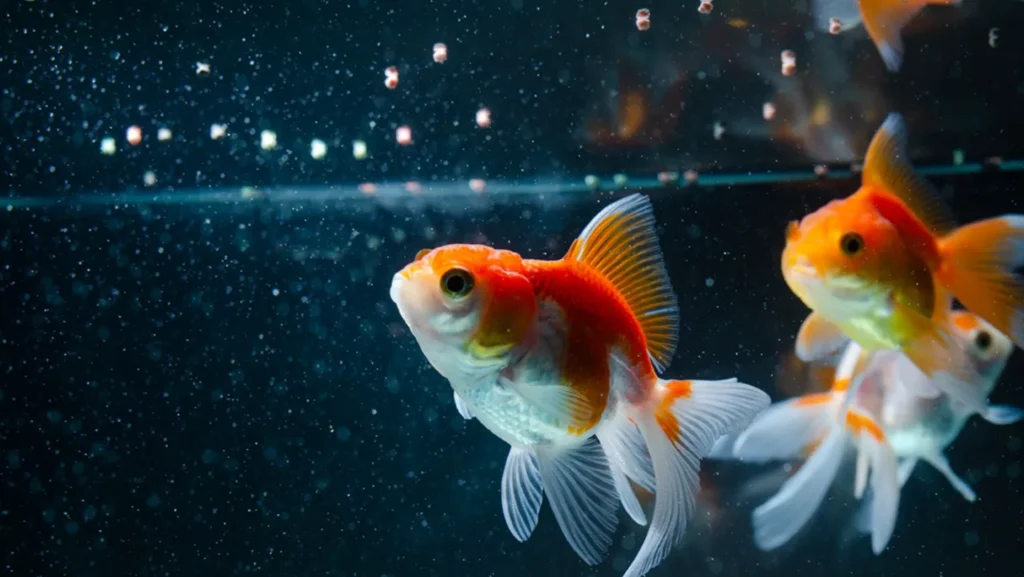
Fish food depends on species, age, habitat, mouth shape, and feeding behavior. A baby fish does not eat the same food as a large adult predator. That is why food collection changes across the fish life cycle.
- Egg stage:
- Fish eggs do not actively eat. The embryo develops using nutrients stored inside the egg.
- Larval stage:
- Newly hatched larvae often survive first on a yolk sac. After the yolk is absorbed, they begin eating microscopic organisms such as plankton. NOAA considers early fish stages, such as eggs and larvae, highly important because they are small, drifting, and vulnerable.
- Fry stage:
- Fry usually feed on zooplankton, tiny insects, algae particles, and small organic matter. At this stage, their mouths are small, so they need tiny food.
- Juvenile stage:
- Juvenile fish eat larger food as they grow. This may include insect larvae, worms, small crustaceans, aquatic plants, or smaller fish.
- Adult herbivorous fish:
- Some fish eat algae, aquatic plants, and plant debris. Grass carp and some reef fish are good examples.
- Adult carnivorous fish:
- Predatory fish eat smaller fish, shrimp, crabs, squid, insects, and other aquatic animals.
- Omnivorous fish:
- Many common fish eat both plant and animal material. Tilapia and carp are examples of flexible feeders.
Fish collect food in different ways. Some filter tiny organisms from water, some scrape algae from rocks, some hunt actively, and some search the bottom for worms and insects. Their feeding process helps maintain balance in aquatic ecosystems.
Their life cycle and ability to survive in nature
Egg Stage
The fish life cycle usually begins with eggs. Female fish release eggs during spawning, and males fertilize them either externally in water or internally before release. Eggs may float in open water, stick to plants, settle on gravel, or stay protected inside nests.
Clean water, oxygen, and a safe temperature are essential at this stage. If the water is polluted or lacks oxygen, many eggs fail to hatch.
Larva Stage
After hatching, the young fish enters the larval stage. Larvae are extremely small and weak. Many cannot swim strongly, so they drift with water currents. Some larvae carry a yolk sac that gives them early nutrition.
This stage is dangerous because insects, larger fish, birds, and other aquatic animals can eat larvae.
Fry Stage
When the yolk sac disappears, and the young fish starts feeding independently, it becomes a fry. Fry need small food, safe hiding places, and suitable water temperature.
Aquatic plants, shallow edges, wetlands, and nursery habitats are important because they protect young fish from predators.
Juvenile Stage
Juvenile fish look more like adults but are not yet ready to reproduce. They grow quickly and develop stronger fins, scales, and colors, as well as hunting or feeding skills.
Adult Stage
Adult fish can reproduce and continue the life cycle. Some remain in one habitat, while others migrate long distances to breed, feed, or survive seasonal changes. NOAA notes that essential fish habitats include areas where fish spawn, breed, feed, or grow to maturity.
Their Reproductive Process and raising their children
Fish reproduction is highly diverse. Some fish release thousands or even millions of eggs, while others produce fewer young but protect them carefully.
- Spawning:
- Most fish reproduce through spawning. During spawning, females release eggs and males release sperm. Fertilization often happens outside the body in water.
- Internal fertilization:
- Some species, such as sharks, rays, guppies, and mollies, use internal fertilization. In these species, young may develop inside the female before birth.
- Nest building:
- Some fish build nests using gravel, sand, plants, or bubbles. Male betta fish, for example, build bubble nests. Some cichlids prepare nesting areas and guard eggs.
- Egg guarding:
- Many fish do not care for eggs after spawning. However, some species protect eggs from predators, fan them with fins to provide oxygen, or clean the nesting area.
- Mouthbrooding:
- Some fish carry eggs or young in their mouths. This protects babies from predators during early life.
- Migration for reproduction:
- Salmon are famous for migrating from the ocean back to freshwater rivers to spawn. Their life history includes freshwater birth, ocean growth, and return migration to breeding rivers.
- High egg production:
- Many fish produce large numbers of eggs because survival rates are low. Only a small percentage of eggs usually become adults.
Raising young in fish is not always like parenting in mammals or birds. In many species, survival depends more on egg numbers, timing, habitat quality, and hiding places. In species with parental care, protection increases the chance that young fish will survive.
The importance of them in this Ecosystem
Fish Maintain Food Chains
Fish are a central part of aquatic food webs. Small fish eat plankton, insects, and algae. Larger fish eat smaller fish. Birds, reptiles, mammals, and humans depend on fish as a food source.
Without fish, many predators would lose a major food source, and aquatic food chains could become unstable.
Fish Control Insects and Small Organisms
Many freshwater fish eat mosquito larvae, insect larvae, worms, and tiny aquatic animals. This helps control insect populations naturally.
In ponds, wetlands, and rice fields, fish can reduce excess insect growth and contribute to ecological balance.
Fish Help Nutrient Cycling
Fish move nutrients through water systems. When they feed, digest, excrete, migrate, or die, nutrients are returned to the Ecosystem. These nutrients support algae, plants, microbes, and other aquatic life.
Migratory fish are especially important because they carry nutrients between oceans, rivers, and wetlands.
Fish Support Biodiversity
Healthy fish populations indicate healthy aquatic ecosystems. If fish diversity is high, it often means the habitat has good water quality, food availability, oxygen, and shelter.
When fish disappear, it may signal pollution, habitat damage, overfishing, or climate stress.
Fish Support Human Life
Fish provide food, income, employment, and cultural value. Global aquatic food production reached record levels in recent FAO reporting, and aquaculture now supplies a major share of aquatic animal foods for human consumption.
So, fish are not only animals in water. They are part of nature’s balance, human nutrition, and global livelihood systems.
What to do to protect them in nature and save the system for the future
Protecting fish means protecting the full fish life cycle, from egg to adult. If breeding grounds, nursery areas, or feeding habitats are destroyed, fish populations decline over time.
- Protect breeding areas:
- Rivers, wetlands, coral reefs, mangroves, seagrass beds, and shallow nursery zones should be protected because many fish use them for spawning and early growth.
- Reduce water pollution:
- Industrial waste, plastic, pesticides, oil, and untreated sewage can damage eggs, larvae, and adult fish.
- Control overfishing:
- Catching too many fish, especially breeding adults, reduces future populations. Fishing rules, size limits, and seasonal bans can help.
- Protect migration routes:
- Dams, barriers, and blocked rivers can prevent migratory fish from reaching spawning areas.
- Restore wetlands and mangroves:
- These habitats provide shelter and food for young fish.
- Use sustainable aquaculture:
- Fish farming should be managed carefully to reduce disease, waste, and damage to wild habitats.
- Avoid catching juvenile fish:
- Young fish should be allowed to grow and reproduce before being harvested.
- Support research and monitoring:
- Scientists need updated data on fish populations, breeding seasons, and threats.
- Reduce climate pressure:
- Warming water, low oxygen, and changing rainfall patterns can affect fish survival.
- Educate local communities:
- Fishers, farmers, students, and consumers all play a role in protecting aquatic ecosystems.
Sustainable protection is not only about saving fish. It is about saving food security, biodiversity, clean water, and future generations.
Frequently Asked Questions (FAQs)
Q: What is the fish life cycle?
A: The fish life cycle is the complete development process of a fish from egg to larva, fry, juvenile, adult, and reproductive adult.
Q: What are the six main stages of a fish’s life cycle?
A: The six common stages are egg, larva, fry, juvenile, adult, and spawning adult.
Q: How long do fish eggs take to hatch?
A: It depends on the species and water temperature. Some eggs hatch within a few days, while others may take weeks.
Q: What do baby fish eat?
A: Baby fish usually eat plankton, microscopic organisms, tiny insects, and small organic particles after absorbing their yolk sac.
Q: Do all fish protect their babies?
A: No. Many fish leave their eggs after spawning, but some species guard their eggs, build nests, or carry their young in their mouths.
Q: Why do fish lay so many eggs?
A: Many eggs and larvae are eaten by predators or die from environmental stress, so high egg production increases the chance that some will survive.
Q: What is the most dangerous stage in the fish life cycle?
A: The egg and larval stages are usually the most dangerous because young fish are small, weak, and easy prey.
Q: Why is fish habitat important?
A: Fish need different habitats for spawning, feeding, hiding, growing, and migration. Without a suitable habitat, the life cycle cannot continue properly.
Conclusion
The fish life cycle is a powerful example of how nature creates balance through growth, reproduction, survival, and adaptation. From tiny eggs to mature adults, fish pass through several delicate stages that depend on clean water, oxygen, food, shelter, and safe breeding habitats.
Fish are essential to ecosystems because they support food chains, control insect populations, recycle nutrients, and maintain aquatic biodiversity. They are also deeply important for human food, livelihoods, and culture.
However, pollution, overfishing, habitat loss, blocked rivers, and climate change can break the natural cycle. If eggs cannot hatch, fry cannot hide, or adults cannot reproduce, fish populations decline.
Protecting fish means protecting rivers, lakes, wetlands, oceans, and the future of aquatic life. A healthy fish life cycle keeps nature balanced and supports life far beyond the water.
Also Read: spider life cycle





Leave a Reply