
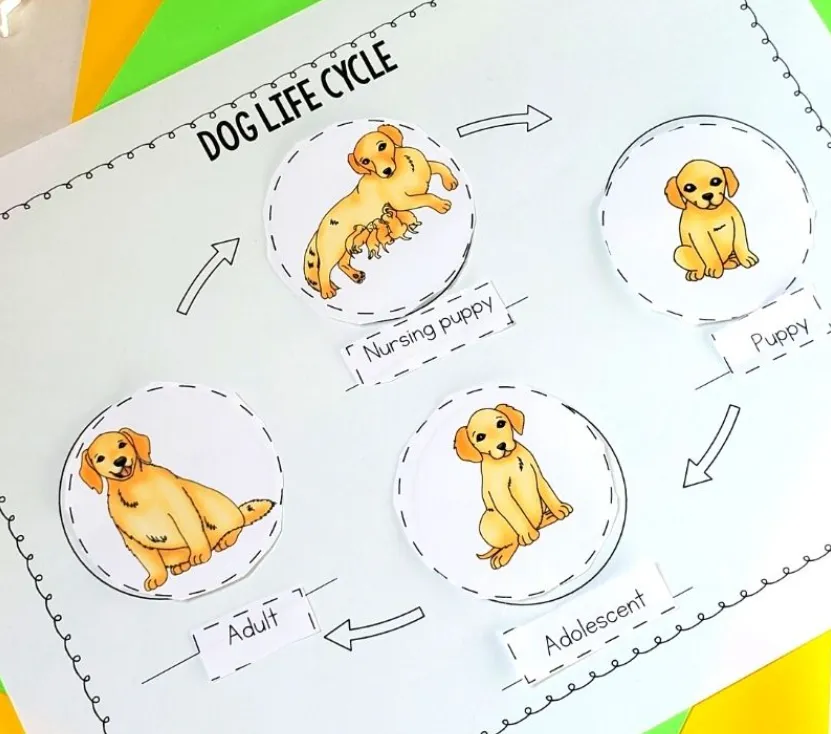
The life cycle of a dog explains how a puppy grows into a mature adult and, eventually, a senior dog. Like humans, dogs pass through different life stages, each with its own physical, emotional, nutritional, and behavioral needs.
A dog’s life usually begins as a helpless newborn puppy. During the first few weeks, puppies depend completely on their mother for warmth, milk, cleaning, and protection. As they grow, their eyes open, they begin walking, they start playing with littermates, and they slowly learn social behavior.
Most dogs reach adulthood between 1 and 2 years of age, but the timing depends strongly on breed size. Small dogs often mature faster and live longer, while giant breeds usually grow more slowly and may have shorter lifespans. Recent veterinary sources commonly place the average dog lifespan around 10–13 years, though breed, size, genetics, nutrition, exercise, and healthcare make a big difference.
Quick Answers: Most Common Questions
Q: What are the main stages in the life cycle for dogs?
A: The main stages are newborn puppy, growing puppy/adolescent, adult dog, and senior dog.
Q: How long are dogs pregnant?
A: Dogs are usually pregnant for about 62–64 days, although the exact delivery date can vary by breed and litter size.
Q: How long do dogs live?
A: Many dogs live around 10–13 years, but small breeds may live longer, while large and giant breeds often have shorter average lifespans.
Quick Life Cycle Table
| Dog Life Stage | Common Age Range | Main Changes |
| Newborn Puppy | Birth–2 weeks | Blind, deaf, fully dependent on mother |
| Young Puppy | 2–8 weeks | Eyes open, walking starts, social learning begins |
| Adolescent Dog | 2–18 months | Fast growth, training, and strong curiosity |
| Adult Dog | 1–7 years | Full strength, stable behavior, active life |
| Senior Dog | 7+ years | Slower movement, more health monitoring needed |
The exact age range changes by breed. Small dogs may become senior later than large dogs, while giant breeds can enter senior age earlier.
Important Things That You Need To Know
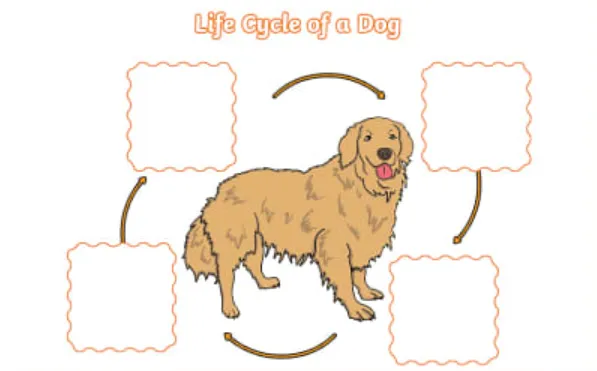
When learning about the life cycle for dogs, it is important to understand that dogs are not all the same. A Chihuahua, Labrador Retriever, German Shepherd, and Great Dane may all be domestic dogs, but their growth rates, adult sizes, exercise needs, and lifespans can vary widely.
The most important thing to know is that puppies need early care, nutrition, warmth, vaccination planning, and gentle socialization. The puppy stage creates the foundation for future behavior. Poor care during this stage can lead to fear, poor health, or behavior problems later.
Adult dogs need balanced food, clean water, daily exercise, mental activity, regular grooming, and veterinary care. This is usually the longest and most active part of a dog’s life cycle.
Senior dogs need softer care. They may require easier exercise, joint support, dental attention, weight control, and more frequent health checks. A senior dog may still be happy and playful, but its body needs more careful management.
Another key point is that a dog’sa dog’s lifespan depends on both genetics and care. Genetics matter, but responsible ownership, safe housing, vaccination, parasite control, proper feeding, and love can greatly improve a dog’s quality of life. Veterinary guidance recommends preventive care, proper nutrition, exercise, and parasite control as part of responsible pet ownership.
The History of Their Scientific Naming, Evolution, and Origin
Scientific Naming
The domestic dog is commonly known as Canis familiaris. Some taxonomic systems also use Canis lupus familiaris, showing the close relationship between dogs and wolves. Britannica notes that dogs descended from wolf lineages and belong to the genus Canis.
Evolution
Dogs are one of the earliest domesticated animals. Research reviews suggest that dog domestication was connected to ancient wolf populations and may have begun thousands of years before agriculture. One review describes dogs as the first domesticated taxon, with divergence from gray wolves estimated at 32,000–16,000 years ago.
Origin
The exact origin of dogs is still studied. Recent genetic research continues to refine the timeline, with reports of early dog remains dating around 15,800 years ago and evidence suggesting older dog-wolf divergence. This means the story of the dog’s origins is not fully resolved; science is still refining it.
Their Reproductive Process, Giving Birth, And Rising Their Children
Mating and Pregnancy
Female dogs usually come into heat when they are reproductively mature. After successful mating, pregnancy lasts about 62–64 days on average. The timing can vary because the breeding date and actual conception date may not be the same.
Giving Birth
The birth process in dogs is called whelping. A pregnant female dog gives birth to a litter of puppies. Litter size can vary widely by breed, age, health, and genetics. Small breeds often have fewer puppies, while larger breeds may have bigger litters.
Newborn Puppy Care
Newborn puppies are born weak, blind, and deaf. They depend fully on the mother for milk, warmth, cleaning, and protection. The mother’s milk is very important because it provides early nutrition and immune support.
Raising Their Puppies
Puppies begin to change quickly after birth. They start trying to stand at around 2 weeks, and by about 4 weeks, many puppies can walk, run, and play. Puppies usually begin eating soft solid food around 3.5 to 4.5 weeks of age, while weaning continues gradually.
Learning Social Behavior
A puppy’s early environment shapes its future behavior. Interaction with the mother, littermates, humans, and safe surroundings helps puppies build confidence, develop bite control, learn play behavior, and practice basic communication.
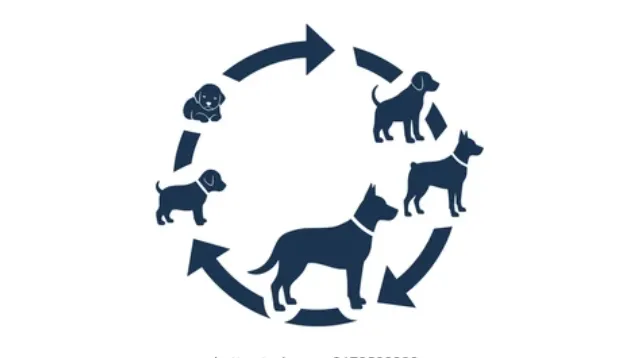
Stages of Life Cycle for Dogs
1. Newborn Puppy Stage
The newborn stage begins at birth and lasts about 2 weeks. During this time, puppies cannot see or hear clearly. Their main activities are sleeping, nursing, staying warm, and growing.
This stage is delicate. Puppies need warmth because they cannot regulate body temperature well. They also need mother’s milk for energy and early immune protection.
2. Puppy Growth Stage
The puppy growth stage usually covers the first few months of life. Puppies open their eyes, begin hearing, learn to walk, and start playing with littermates.
This is also the stage when puppies start weaning from milk to solid food. Merck/MSD feeding guidance commonly lists young puppies as needing more frequent meals than adults, such as four meals daily from 6–12 weeks.
Training and socialization are very important here. Gentle exposure to people, sounds, surfaces, and safe environments helps puppies become confident adult dogs.
3. Adult Dog Stage
The adult stage begins when physical growth slows, and the dog reaches maturity. Small dogs may reach adulthood earlier, while large breeds can take longer.
Adult dogs are usually stronger, more stable, and more predictable than puppies. They still need daily exercise, mental stimulation, proper diet, grooming, and regular health care.
4. Senior Dog Stage
The senior stage begins at different ages depending on breed size. Large and giant dogs often reach senior age earlier than small dogs.
Senior dogs may sleep more, move more slowly, gain or lose weight, develop dental problems, or show joint stiffness. This stage does not mean the dog is near the end immediately. Many senior dogs live happy lives when given proper care, comfort, and veterinary attention.
Their main diet, food sources, and collection process are explained
Main Diet of Dogs
Domestic dogs are generally omnivorous carnivores, meaning they can digest both animal and plant foods when properly prepared. A balanced dog diet includes protein, fat, carbohydrates, vitamins, minerals, and water.
Food Sources
Most pet dogs get food from humans. Their food may include commercial dry food, wet food, veterinary diets, or carefully prepared homemade diets. AAFCO explains that “complete and balanced” pet food should contain required nutrients in correct ratios for the dog’s life stage, such as growth, maintenance, pregnancy, or nursing.
Puppy Food Needs
Puppies need more energy and nutrients for growth. They usually eat more frequently than adult dogs. Their food should support bone development, muscle growth, brain development, and immune health.
Adult Dog Food Needs
Adult dogs need balanced food that matches their size, activity level, and health condition. Overfeeding can lead to obesity, while poor-quality feeding can cause weakness and nutritional problems.
Senior Dog Food Needs
Senior dogs may need fewer calories, easier-to-chew food, joint support, and careful weight management. Food should be chosen based on health, not only age.
Food Collection Process
Pet dogs do not usually hunt for food. Humans provide their meals. However, free-ranging or feral dogs may scavenge, search garbage, hunt small animals, or eat human leftovers. This can pose health risks to dogs and ecological risks to wildlife.
How Long Does A Life Cycle for Dogs Live
A dog’s lifespan can range from about 8 to more than 15 years, depending on the dog. Some small dogs may live into their late teens, while giant breeds often have shorter lives.
- Average lifespan: Many dogs live 10–13 years, according to common veterinary estimates.
- Research-based lifespan data: A large clinical dataset reported a mean age at death of 10.66 years and a median age at death of 11.57 years among dogs.
- Small dogs: Small breeds often live longer because their bodies age differently than those of very large breeds.
- Large and giant dogs: Bigger dogs often have shorter lifespans and may face joint, heart, or age-related problems earlier.
- Genetics: Breed traits strongly affect lifespan. Some breeds are more prone to inherited health conditions.
- Nutrition: Balanced nutrition supports growth, immune function, muscle maintenance, and a healthy weight.
- Exercise: Daily movement supports heart health, joints, digestion, behavior, and mental stimulation.
- Veterinary care: Vaccination, parasite control, dental care, and health screening can prevent or manage many problems.
- Environment: Safe housing, clean water, shade, comfort, and protection from traffic or violence improve survival.
- Weight control: Obesity can reduce quality of life and increase the risk of health problems.
- Mental health: Dogs need companionship, routine, play, training, and emotional connection.
A dog’s lifespan should not be judged only by years. A well-cared-for dog may enjoy a better quality of life, even in old age. The goal is not only to help dogs live longer but also to help them live healthier and happier.
Life Cycle for Dogs: Lifespan in the Wild vs. in Captivity
Domestic Dogs in Human Care
Most domestic dogs live with people, so “captivity” is better understood as human care. In a responsible home, dogs receive food, water, shelter, vaccines, parasite prevention, and medical treatment. This usually gives them a much better chance of living a long and healthy life.
Free-Ranging and Feral Dogs
Free-ranging or feral dogs face more danger. They may suffer from hunger, disease, parasites, traffic injuries, fights, poor weather, and lack of veterinary care. They may also spread diseases or disturb wildlife.
Why Human Care Improves Lifespan
Dogs under responsible care are protected from many daily survival risks. Vaccination is especially important because rabies and other diseases can affect dogs, humans, and wildlife. WHO states that dog vaccination is the most cost-effective strategy for preventing rabies in people.
Main Difference
A pet dog’s lifespan is shaped by care and prevention, while a free-ranging dog’s lifespan is shaped more by survival pressures, disease exposure, food scarcity, and environmental risks.
Importance of Life Cycle for Dogs in this Ecosystem
Role in Human Society
Dogs are not only pets. They help humans as service dogs, therapy dogs, rescue dogs, livestock guardians, detection dogs, and companions. Their relationship with humans is one of the strongest examples of animal domestication.
Role Around Farms and Homes
In rural areas, dogs may guard homes, protect livestock, and alert people to danger. Well-managed dogs can reduce certain risks and support human livelihood.
Ecological Concerns
Dogs can also affect ecosystems when unmanaged. Free-ranging domestic dogs may disturb wildlife, compete with wild carnivores, spread disease, or prey on smaller animals. Conservation studies identify predation, disturbance, competition, hybridization, and disease transmission as key impacts of free-ranging dogs on wildlife.
Balanced Understanding
The importance of dogs in the ecosystem depends on how humans manage them. Responsible dog ownership supports safety, animal welfare, and public health. Uncontrolled dog populations can create problems for people, wildlife, and the dogs themselves.

What to do to protect them in nature and save the system for the future
1. Promote Responsible Dog Ownership
- Give dogs proper food, clean water, safe shelter, exercise, and veterinary care.
- Do not abandon dogs or allow them to become feral.
- Follow local leash, licensing, and waste cleanup rules.
2. Vaccinate Dogs Regularly
- Vaccination protects dogs and people from serious diseases.
- Rabies prevention is especially important because dog-mediated rabies remains a major public health concern. WHO notes that dogs are responsible for transmitting the virus in up to 99% of human rabies cases.
3. Control Stray Dog Populations Humanely
- Support humane sterilization, adoption, and community dog management.
- AVMA notes that many pet owners choose spaying and neutering to help prevent unwanted litters.
4. Keep Dogs Away from Wildlife
- Do not allow dogs to chase wild animals.
- Keep dogs controlled near forests, wetlands, farms, and nesting areas.
- This protects both wildlife and dogs.
5. Feed and Care for Dogs Safely
- Choose food suitable for the dog’s life stage.
- Avoid unsafe feeding practices. The FDA warns that raw pet foods can harbor harmful bacteria, such as Salmonella and Listeria, which can affect both pets and humans.
Fun & Interesting Facts About Life Cycle for Dogs
- Dogs are among the earliest animals domesticated by humans.
- A newborn puppy is born with closed eyes and ears, so smell and touch are very important at first.
- Puppies grow very quickly during the first few weeks of life.
- Dogs communicate through body posture, tail movement, barking, whining, scent, and facial expression.
- Small dogs often live longer than giant dogs.
- A dog’s nose print is unique, much like a human fingerprint.
- Puppies usually begin exploring solid food at around 3–4 weeks of age.
- Senior dogs can still learn new habits, enjoy play, and bond deeply with people.
- Dogs can understand human routines and often recognize tone of voice.
- A dog’s life cycle is strongly shaped by human care, training, food, and environment.
Frequently Asked Questions (FAQs)
Q: What is the life cycle for dogs?
A: The life cycle for dogs is the process of growth from newborn puppy to young puppy, adolescent dog, adult dog, and senior dog.
Q: How many stages are in a dog’s life cycle?
A: The four simple stages are newborn, puppy/adolescent, adult, and senior. Some veterinary sources divide these into more detailed stages based on size and age.
Q: When does a puppy become an adult dog?
A: Many dogs become adults between 1 and 2 years, but small breeds mature faster, while large and giant breeds may take longer.
Q: How long does a dog stay pregnant?
A: A dog’s pregnancy usually lasts about 62–64 days, though exact timing can vary.
Q: What helps dogs live longer?
A: Balanced food, safe housing, exercise, vaccination, parasite control, dental care, healthy weight, and regular veterinary checkups can help dogs live healthier lives.
Conclusion
The life cycle of a dog is a beautiful journey from a tiny newborn puppy to a loyal adult, and finally to a gentle senior companion. Each stage has different needs, and understanding those needs helps owners provide better care.
Puppies need warmth, milk, protection, socialization, and early nutrition. Adult dogs need balanced food, exercise, training, and emotional connection. Senior dogs need comfort, patience, health monitoring, and gentle care.
Dogs have lived alongside humans for thousands of years, and their role remains important in homes, farms, rescue work, therapy, and companionship. But responsible ownership is essential. When dogs are vaccinated, fed properly, kept safely under control, and loved, they live healthier lives and pose fewer risks to wildlife and communities.
Also Read: fish life cycle





Leave a Reply