
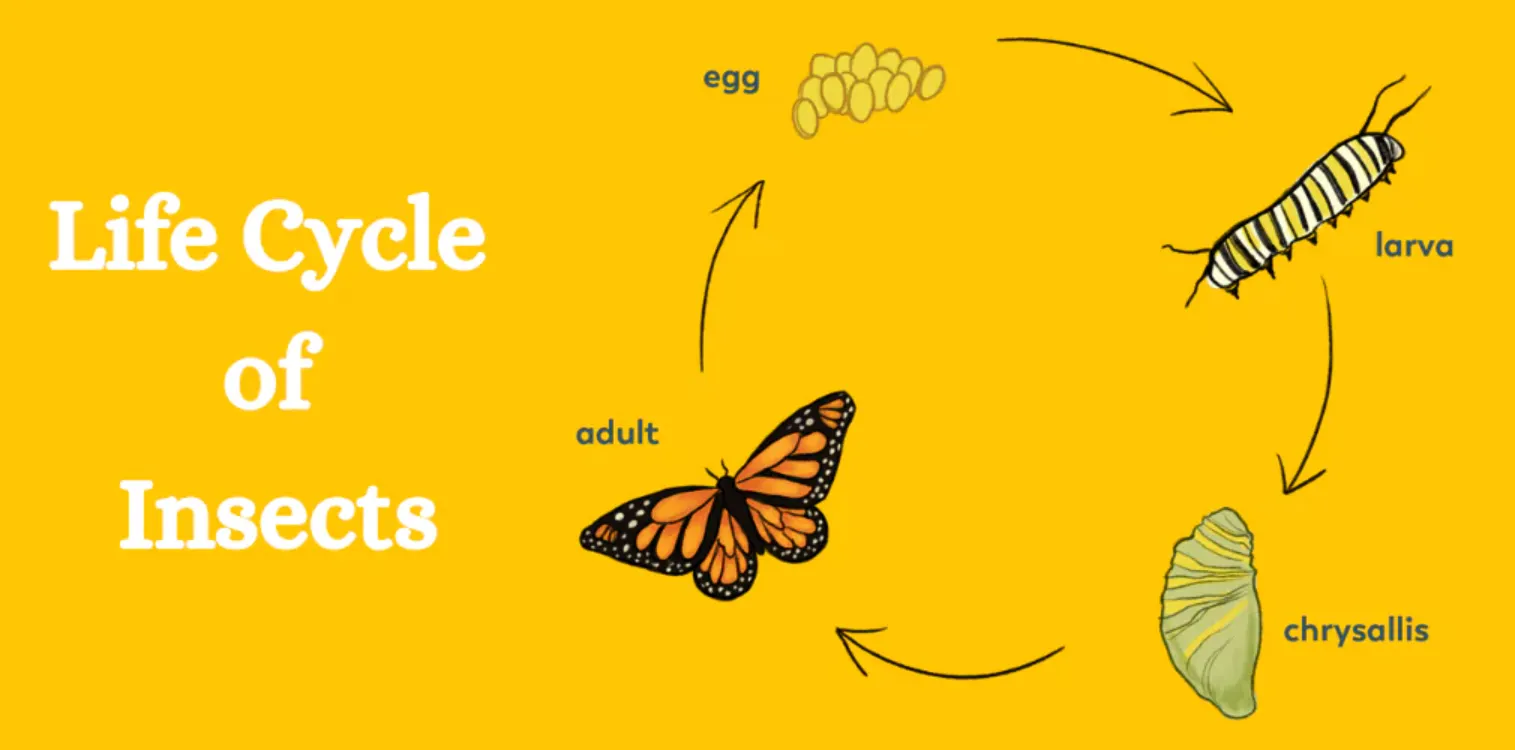
The life cycle for insects is one of the most fascinating natural processes on Earth. Insects belong to the class Insecta, and they are usually recognized by three main body parts: head, thorax, and abdomen. Most adult insects also have six legs, one pair of antennae, and often wings.
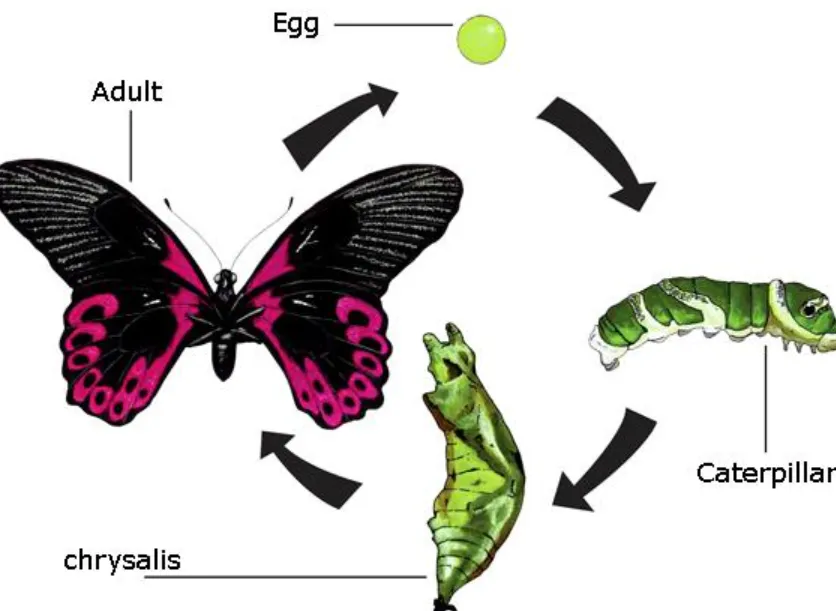
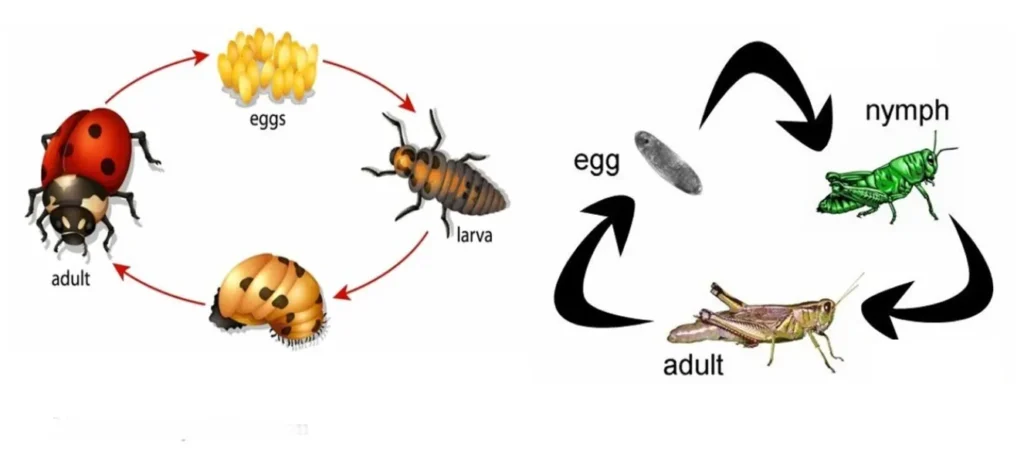
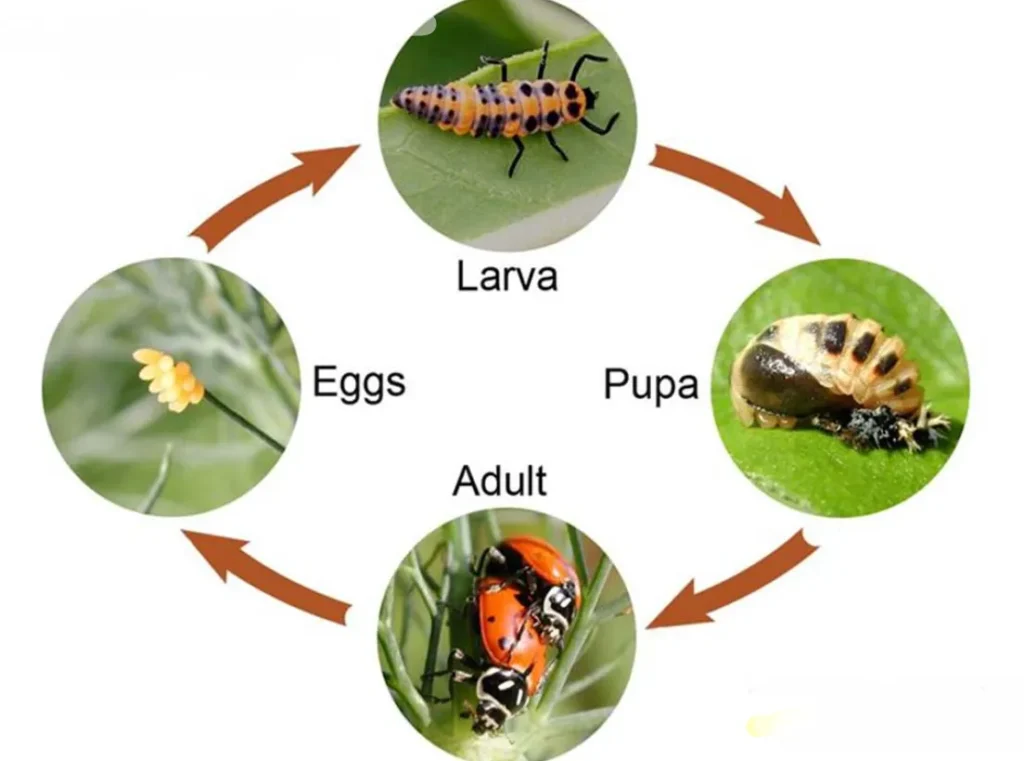
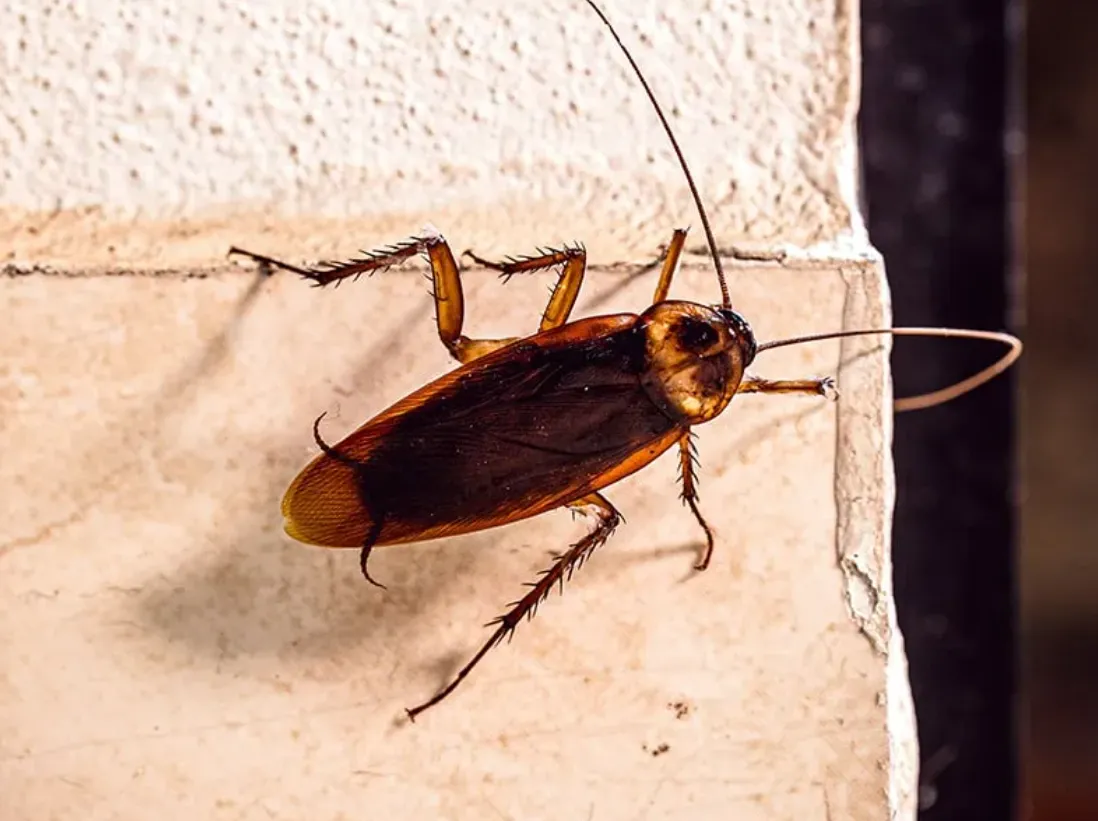
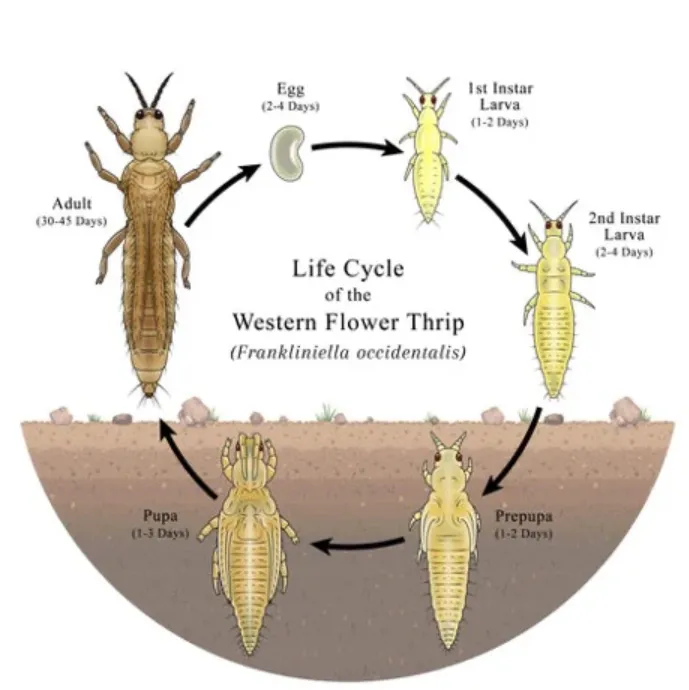
The insect life cycle varies among species. Some insects undergo complete metamorphosis, passing through four major stages: egg, larva, pupa, and adult. Butterflies, beetles, flies, ants, bees, and mosquitoes follow this type of development. Other insects undergo incomplete metamorphosis, passing through egg, nymph, and adult stages. Grasshoppers, cockroaches, dragonflies, and true bugs are common examples. The Amateur Entomologists’ Society explains that insects can undergo either complete or incomplete metamorphosis, and that growth mainly occurs before the adult stage.
Insects are extremely diverse. The Smithsonian notes that about 1.5 million species have been named worldwide, underscoring insects’ success in nature. Their life cycles help them survive, reproduce, avoid predators, use food efficiently, and adapt to different habitats.
Q: What are the main stages of the insect life cycle?
A: The main stages are usually egg, larva, pupa, and adult in complete metamorphosis, or egg, nymph, and adult in incomplete metamorphosis.
Q: Do all insects have the same life cycle?
A: No. Different insects grow in different ways. A butterfly has a larval and pupal stage, while a grasshopper grows from a nymph into an adult.
Q: Why is metamorphosis important for insects?
A: Metamorphosis allows young and adult insects to live differently, eat different foods, and reduce competition within the same species.
Quick Life Cycle Table
| Stage | What Happens |
| Egg | The insect begins life inside an egg. Eggs are usually laid on leaves, soil, water, wood, or near food. |
| Larva / Nymph | The young insect grows quickly. Larvae look different from adults, while nymphs look like smaller adults. |
| Pupa | In complete metamorphosis, the insect changes inside a cocoon, chrysalis, or pupal case. |
| Adult | The adult insect can usually mate, reproduce, fly, and move widely, thereby continuing the species. |
The History of Their Scientific Naming, Evolution, and Origin
Scientific Naming of Insects
The scientific study of insects is called entomology. Insects are classified under the kingdom Animalia, phylum Arthropoda, and class Insecta. Their scientific names follow binomial nomenclature, in which each species has a genus and species name. For example, the honey bee is scientifically known as Apis mellifera.
Evolution of Insects
Insects have a very ancient history. A major phylogenomic study published in Science estimated that insects originated around 479 million years ago, close to the time when early land plants appeared. This makes insects one of the oldest and most successful animal groups on land.
Origin and Early Development
Early insects were likely small, wingless animals living in simple terrestrial habitats. Over millions of years, they evolved wings, stronger mouthparts, protective bodies, and complex life cycles. Stanford reports that insects became far more visible in the fossil record around 325 million years ago, when flight helped them spread and diversify.
Their Reproductive Process, Giving Birth, And Rising Their Children
Mating and Fertilization
Most insects reproduce sexually. Male and female insects usually mate, and fertilization happens inside the female’s body. After mating, the female lays eggs in places where the young are more likely to survive.
Some insects use special signals to find mates. Fireflies use light flashes, crickets use sound, and butterflies may use scent and color. These behaviors help insects recognize the right species before reproduction.
Egg Laying and Birth Process
Most insects are oviparous, meaning they lay eggs. These eggs may be placed on leaves, under bark, in soil, in water, inside fruits, or even inside other insects. The location depends on the species and the food needed by the young.
A mosquito lays eggs in or near water, while a butterfly lays eggs on host plants. A beetle may lay eggs in soil, wood, stored food, or decaying material. The egg stage protects the developing embryo until it is ready to hatch.
Caring for Young Insects
Many insects do not raise their young after laying eggs. However, some species show advanced care. Ants, bees, and termites live in social colonies where workers protect eggs, feed larvae, and maintain the nest.
Some beetles and earwigs also guard their eggs or young. This kind of care increases survival, especially in environments where predators, fungi, or harsh weather can destroy eggs.
Survival Strategy
Insects often produce many eggs because not all young survive. Predators, weather, disease, and food scarcity can reduce survival. Their high reproductive rate helps maintain population balance in nature.
Stages of the Life Cycle for Insects
Egg Stage
The egg stage is the beginning of the insect life cycle. Eggs are usually tiny, but their shapes, colors, and textures vary widely. Some are round, oval, long, flat, or barrel-shaped.
Female insects usually choose egg-laying sites carefully. A butterfly lays eggs on leaves that its caterpillars can eat. A mosquito lays eggs near standing water because larvae need water to grow. This stage may last a few days, weeks, or longer, depending on species and temperature.
Larva Stage
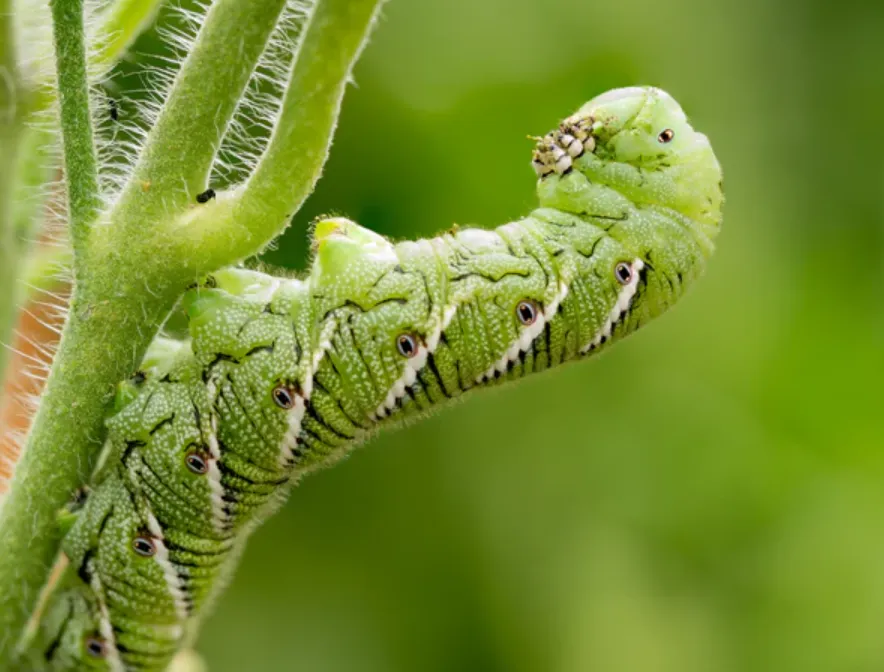
The larva stage happens in insects with complete metamorphosis. Larvae usually look very different from adults. Examples include caterpillars, maggots, and grubs.
This stage is mainly for feeding and growth. Larvae eat heavily and molt several times as their bodies become larger. Because their outer covering does not stretch much, insects must shed it through a process called molting or ecdysis.
Pupa Stage
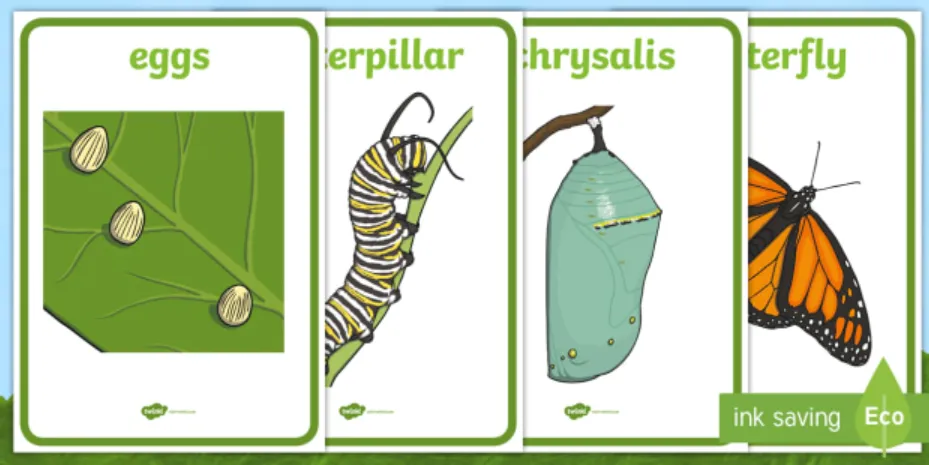
The pupa stage is a transformation stage. During this time, the insect may appear inactive from the outside, but its body is changing deeply inside. The larval body is reorganized into the adult form.
Butterflies form a chrysalis, moths often form a cocoon, and flies form a puparium. This stage is one reason complete metamorphosis is so successful. It allows the young form and adult form to have very different bodies and lifestyles.
Adult Stage
The adult stage primarily serves reproduction and dispersal. Adult insects often develop wings, reproductive organs, stronger legs, and specialized mouthparts.
Some adults live only a few days, while others live months or years. Adult mayflies may live very briefly, while queen ants and queen termites can live much longer. At this stage, the insect continues the cycle by mating and producing the next generation.
Important Things That You Need To Know
The word “insects” covers a wide group of animals, not just common bugs found in homes or gardens. True insects have six legs, three body sections, antennae, and an outer skeleton called an exoskeleton. This body design helps them survive in forests, farms, deserts, wetlands, gardens, and even human-built environments.
One important thing about insects is that not all of them are harmful. Many people think insects only bite, sting, or damage crops, but that is not true. Many insects are helpful pollinators, soil cleaners, natural pest controllers, and food sources for birds, fish, frogs, reptiles, and mammals.
The insect life cycle is also closely connected with food, weather, and habitat. Warm temperatures can speed up growth in many species, while cold weather can slow development. Some insects survive winter as eggs, larvae, pupae, or adults.
Another key point is metamorphosis. In complete metamorphosis, the young insect and adult insect often live very different lives. A caterpillar eats leaves, but the adult butterfly drinks nectar. In incomplete metamorphosis, the nymphs usually look like smaller adults and gradually change through molting.
Understanding larvae, nymphs, pupae, and adult insects helps farmers, gardeners, students, and nature lovers identify insects correctly. It also helps people protect beneficial insects and manage harmful pests more wisely.
Their main diet, food sources, and collection process are explained
Plant-Based Food Sources
Many insects are herbivores. They eat leaves, stems, roots, seeds, fruits, nectar, pollen, or plant sap. Caterpillars eat leaves, aphids drink plant sap, and bees collect nectar and pollen from flowers.
Their food collection process depends on their mouthparts. Butterflies use a long, tube-like proboscis to drink nectar. Grasshoppers use chewing mouthparts to eat leaves. Aphids use piercing-sucking mouthparts to take sap from plants.
Animal-Based Food Sources
Some insects are predators. Lady beetles eat aphids, dragonflies catch mosquitoes and flies, and praying mantises hunt other small insects. Predatory insects are important for natural pest control.
They catch prey by chasing, grabbing, trapping, or ambushing them. Dragonflies catch prey in flight, while mantises wait silently and strike quickly.
Decomposing Matter and Waste
Many insects feed on dead plants, dead animals, dung, or decaying organic material. Dung beetles, some fly larvae, termites, and beetle grubs help break down waste.
This feeding process returns nutrients to the soil. Without decomposer insects, dead matter would build up much faster in the environment.
Nectar and Pollen Collection
Bees, butterflies, moths, beetles, and flies visit flowers for nectar or pollen. During feeding, pollen sticks to their bodies and moves from one flower to another. USDA notes that pollinators help about 80% of the world’s flowering plants reproduce.
How Long Does An Insect Live
The lifespan of insects varies greatly. Some live for only a few hours as adults, while others can live for years in protected colonies. Lifespan depends on species, climate, food, predators, and whether the insect is wild or kept in controlled conditions.
- Mayflies are famous for having very short adult lives. Some adult mayflies live only long enough to mate and lay eggs.
- Mosquitoes may complete their life cycle quickly in warm weather. Their egg-to-adult development can proceed more quickly when water, warmth, and food are available.
- Butterflies may live from a few weeks to several months, depending on the species. Some migratory butterflies can live longer than many common garden butterflies.
- Houseflies usually have short lives, but they reproduce quickly. Warm conditions and available food can speed up their development.
- Beetles vary widely. Some beetles live only weeks as adults, while wood-boring beetle larvae may remain inside wood for years before becoming adults.
- Ant workers may live for weeks, months, or even longer, depending on the species and colony conditions. Queen ants can live much longer because their main role is reproduction.
- Termite queens are among the longest-living insects. In large colonies, queens may survive for many years under stable conditions.
- Temperature strongly affects insect lifespan. Warm weather often speeds up metabolism, growth, and reproduction, but it may also shorten adult life.
- Food quality also matters. Insects with enough food during their larval or nymphal stage often become stronger adults.
- Predators and disease reduce lifespan in the wild. Birds, spiders, frogs, reptiles, fish, and other insects feed on insects at different life stages.
In simple terms, there is no single lifespan for all insects. The life cycle for insects can be very short, very long, simple, or complex, depending on the species.
Insects’ Lifespan in the Wild vs. in Captivity
Insects Lifespan in the Wild
In the wild, insects face many natural challenges. They must survive predators, changing weather, parasites, disease, and food shortages. Eggs may be eaten, larvae may dry out, and birds or spiders may catch adults.
Because of these risks, many wild insects never reach adulthood. This is why many species produce large numbers of eggs. A high number of offspring increases the chance that some will survive.
Insects Lifespan in Captivity
In captivity, insects may live longer if they receive proper food, humidity, and temperature, and are protected from predators. Butterfly farms, research labs, and insect-rearing centers often carefully control these conditions.
However, captivity does not always mean longer life. If the wrong food, temperature, or moisture is provided, insects may die faster than they would in nature.
Key Difference
The biggest difference is survival pressure. Wild insects live in a risky but natural environment. Captive insects live in a safer but artificial environment. A healthy captive setup can extend life, but only when it matches the species’ natural needs.
Importance of Insects in this Ecosystem
Pollination and Plant Reproduction
Insects are essential pollinators. Bees, butterflies, moths, flies, and beetles help plants reproduce by transferring pollen. The U.S. Forest Service states that nearly 80% of crop plants worldwide require animal pollination.
Without insect pollinators, many fruits, vegetables, seeds, and wildflowers would decline. This would affect both wildlife and human food systems.
Natural Pest Control
Predatory insects help control harmful pests. Lady beetles eat aphids, lacewing larvae eat soft-bodied pests, and parasitic wasps attack crop-damaging insects.
This natural control reduces the need for chemical pesticides and supports healthier farms and gardens.
Decomposition and Nutrient Cycling
Insects help break down dead plants, dead animals, dung, and waste. This process returns nutrients to the soil and supports plant growth.
Dung beetles, termites, ants, flies, and beetles all contribute to decomposition. Their work keeps ecosystems cleaner and more balanced.
Food Web Support
Insects are food for many animals. Birds, fish, frogs, bats, lizards, spiders, and mammals depend on insects. If insect populations drop sharply, many other animals also suffer.
What to do to protect them in nature and save the system for the future
Protect Natural Habitats
- Save forests, grasslands, wetlands, and native plant areas.
- Avoid destroying wild spaces where insects feed, mate, and lay eggs.
- Keep leaf litter, dead wood, and natural soil areas where safe and suitable.
Reduce Harmful Pesticide Use
- Use pesticides only when truly necessary.
- Choose safer pest-control methods such as hand removal, traps, or natural predators.
- Avoid spraying flowers because pollinators often visit them.
Plant Native Flowers and Trees
- Grow native flowering plants that provide nectar and pollen.
- Choose plants that bloom in different seasons.
- Add host plants for butterflies and moths so larvae can feed.
Protect Water and Soil Quality
- Avoid dumping chemicals into drains, ponds, rivers, or soil.
- Reduce pollution from gardens, farms, and homes.
- Healthy soil and clean water support many insect life stages.
Support Balanced Ecosystems
- Do not kill every insect you see.
- Learn to identify beneficial insects before removing them.
- Encourage school gardens, pollinator patches, and community green spaces.
Fun & Interesting Facts About Insects
- Insects are among the most diverse animals on Earth, with around 1.5 million named species worldwide.
- A butterfly and a caterpillar are the same animal at different life stages.
- Dragonflies are powerful flying insects and are excellent mosquito hunters.
- Ants, bees, and termites can live in highly organized colonies with division of labor.
- Some insects use camouflage to look like leaves, sticks, bark, or flowers.
- Fireflies produce light through a chemical reaction called bioluminescence.
- Beetles form one of the largest insect groups in the world.
- Insects do not have bones inside their bodies. They have a protective outer covering called an exoskeleton.
- Many insects molt several times before becoming adults.
- Not all insects have wings. Some are naturally wingless, while others lose wings during evolution or in certain life stages.
Frequently Asked Questions (FAQs)
Q: What is the life cycle for insects?
A: The life cycle for insects is the process from egg to adult. Some insects pass through egg, larva, pupa, and adult stages, while others pass through egg, nymph, and adult stages.
Q: What are the 4 stages of an insect’s life cycle?
A: The four stages are egg, larva, pupa, and adult. This is called complete metamorphosis and is seen in butterflies, beetles, flies, ants, bees, and mosquitoes.
Q: Do all insects become pupae?
A: No. Only insects with complete metamorphosis have a pupa stage. Insects with incomplete metamorphosis, such as grasshoppers and cockroaches, develop from nymphs into adults.
Q: Why are insects important to humans?
A: Insects help with pollination, decomposition, soil health, natural pest control, and food web balance. Many crops and wild plants depend on insect pollinators.
Q: How long do insects live?
A: It depends on the species. Some insects live only a few days as adults, while others, such as some ant and termite queens, may live for many years under suitable conditions.
Conclusion
The life cycle for insects shows how powerful and adaptable nature can be. From tiny eggs to active larvae, hidden pupae, growing nymphs, and reproductive adults, insects use different stages to survive in almost every environment. Their life cycles help them find food, avoid competition, reproduce successfully, and support the balance of nature.
Understanding insects is important because they are not only pests. They are pollinators, decomposers, soil builders, natural pest controllers, and essential food for many animals. A healthy planet needs healthy insect populations.
By protecting habitats, reducing the use of harmful chemicals, planting native flowers, and respecting natural ecosystems, people can help insects survive for the future. The more we understand their life cycle, the better we can protect the living systems that depend on them.
Also Read: earwig life cycle





Leave a Reply