
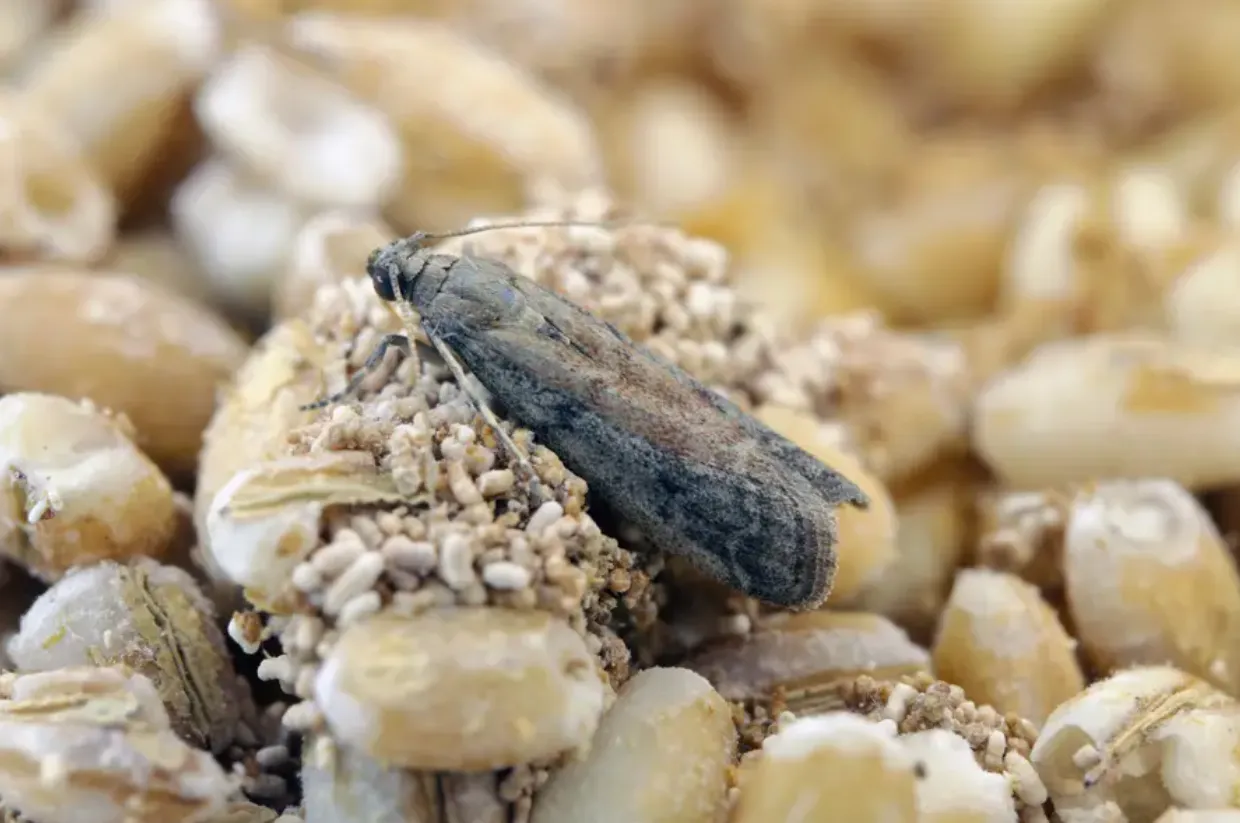
The pantry moth life cycle explains how a tiny stored-food insect develops from almost invisible eggs into destructive pantry moth larvae, then pupae, and finally flying adult moths. In most homes, the pest called a pantry moth is usually the Indianmeal moth, scientifically known as Plodia interpunctella. It is one of the most common moth pests found in kitchens, cupboards, food storage rooms, grocery stores, warehouses, and grain storage areas.
A pantry moth does not damage clothes like fabric moths. Instead, it infests dry foods such as flour, cereal, rice, pasta, nuts, seeds, dried fruit, chocolate, powdered milk, birdseed, spices, and dry pet food. The larval stage is the most damaging because larvae feed directly inside food packages and leave behind webbing, shed skins, and frass. Adult moths mostly exist to mate and lay eggs.
Under warm, favorable indoor conditions, the full life cycle can finish in about 6–8 weeks, but development can be much longer in cooler or less suitable conditions. Research-based extension sources report that the life cycle may range from 27 to 305 days, depending mainly on temperature, humidity, food quality, and larval resting periods.
Quick Answers: Most Common Questions
Q: What is a pantry moth?
A: A pantry moth is a small stored-food moth, most commonly the Indianmeal moth, that lays eggs near dry foods. Its larvae feed on pantry products and contaminate them with silk webbing and waste.
Q: Which stage of the pantry moth life cycle causes the most damage?
A: The larval stage causes the most damage. Pantry moth larvae eat stored foods and create webbing that clumps flour, grains, cereals, and other dry goods.
Q: How long does the pantry moth life cycle take?
A: In warm homes, the cycle often takes around 6–8 weeks, but it can be faster or much slower depending on temperature, humidity, and food conditions.
Quick Life Cycle Table
| Life Stage | What It Looks Like | Main Activity | Typical Duration |
| Egg | Tiny, pale, hard to see | Laid on or near food | About 2–14 days |
| Larva | Creamy-white, pinkish, greenish, or yellowish caterpillar with a brown head | Feeds on dry food and spins silk webbing | Often 4–8 weeks, depending on conditions |
| Pupa | Hidden in a silken cocoon | Changes into an adult moth | Around 1–3 weeks |
| Adult | Small moth with gray and coppery-brown wings | Mates and lay eggs | Usually 1–2 weeks |
The History of Their Scientific Naming, Evolution, and Origin
Scientific Naming of Pantry Moth
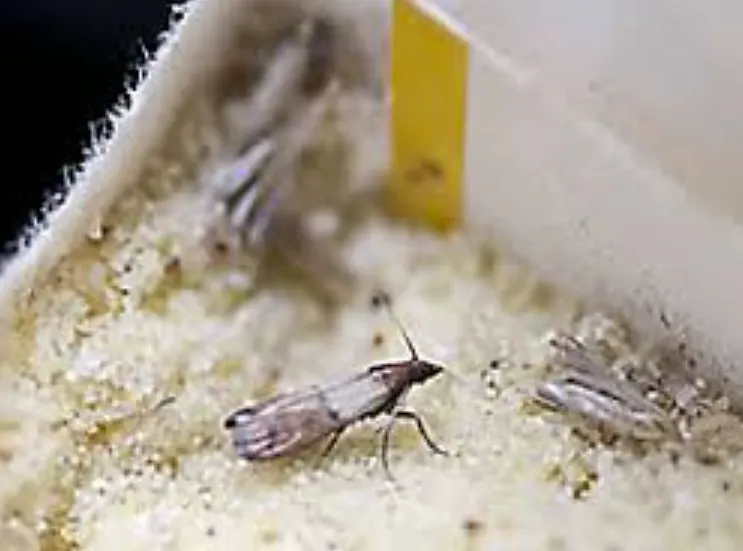
The common pantry moth is most often the Indian meal moth, scientifically known as Plodia interpunctella. It belongs to the order Lepidoptera, the same order that includes butterflies and moths, and the family Pyralidae. The name “Indianmeal moth” does not imply it originated in India. Historically, “Indian meal” was an old term for cornmeal, one of the stored grain products where the insect was commonly found.
Evolutionary Background
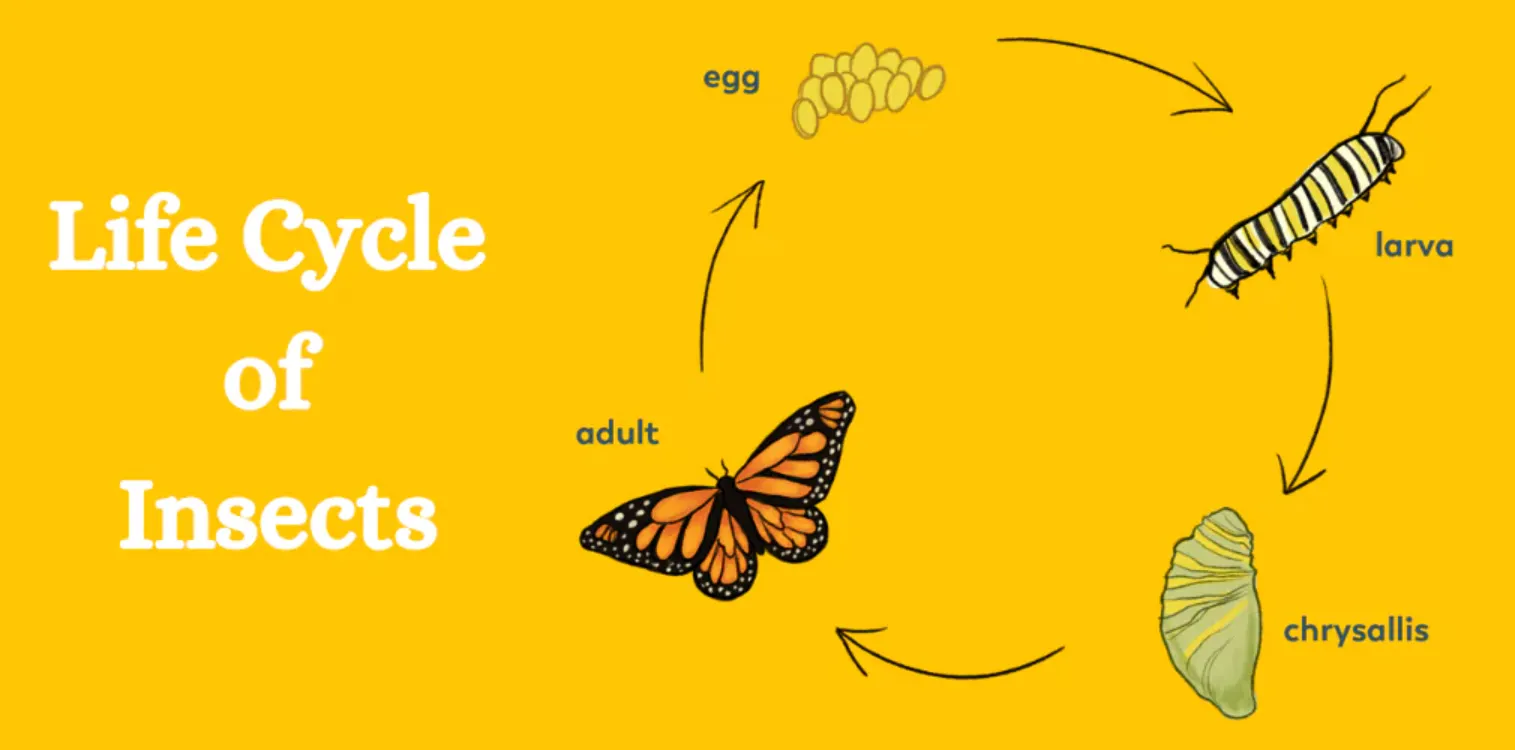
Like other moths, pantry moths evolved through complete metamorphosis, meaning they pass through egg, larva, pupa, and adult stages. This life strategy helps them divide survival tasks: larvae feed and grow, while adults reproduce and spread.
Origin and Spread
The Indianmeal moth is now considered a cosmopolitan stored-product pest, meaning it is found worldwide, wherever dry foods are stored. Its global spread is closely linked with human food storage, grain trade, packaged foods, warehouses, and household pantries.
Their Reproductive Process, Giving Birth, And Rising Their Children
Mating Process
Adult pantry moths do not give birth like mammals. They reproduce by mating and laying eggs. After emerging from the pupal stage, adult females become ready to mate quickly. Females release sex pheromones that attract males, and mating usually happens near food storage areas where future larvae can survive.
Egg Laying on Food Sources
After mating, the female lays eggs directly on or near suitable larval food. These foods may include grains, flour, cereals, nuts, dried fruit, seeds, spices, pet food, and birdseed. A female can lay a large number of eggs. Different research-based sources report ranges of 40–350, 40–400, or up to 400 eggs, depending on food quality, temperature, and environmental conditions.
No Parental Care
Pantry moths do not raise their young. Once eggs are placed near food, the female’s role is mostly complete. When eggs hatch, the tiny larvae immediately begin searching for food and may start spinning silk within hours.
Why Reproduction Is So Successful
Their reproductive success stems from three factors: hidden eggs, rapid larval feeding, and protected food packages. Because eggs are tiny and larvae can live inside packaging, infestations often become noticeable only after adults begin flying or larvae crawl on walls and ceilings.
Stages of Pantry Moth Life Cycle
Stage 1: Pantry Moth Eggs
The life cycle begins when a female lays pantry moth eggs on or near dry food. These eggs are extremely small, pale, and difficult to see without magnification. This is why people often search for pictures of pantry moth eggs after finding moths in their kitchen.
Eggs may be laid singly or in small groups. They are commonly placed in cracks of packaging, folds of bags, cereal boxes, flour bags, or directly in loose food. Depending on the temperature, eggs may hatch in a few days or up to 2 weeks. Warmer conditions speed up hatching.
Stage 2: Pantry Moth Larvae
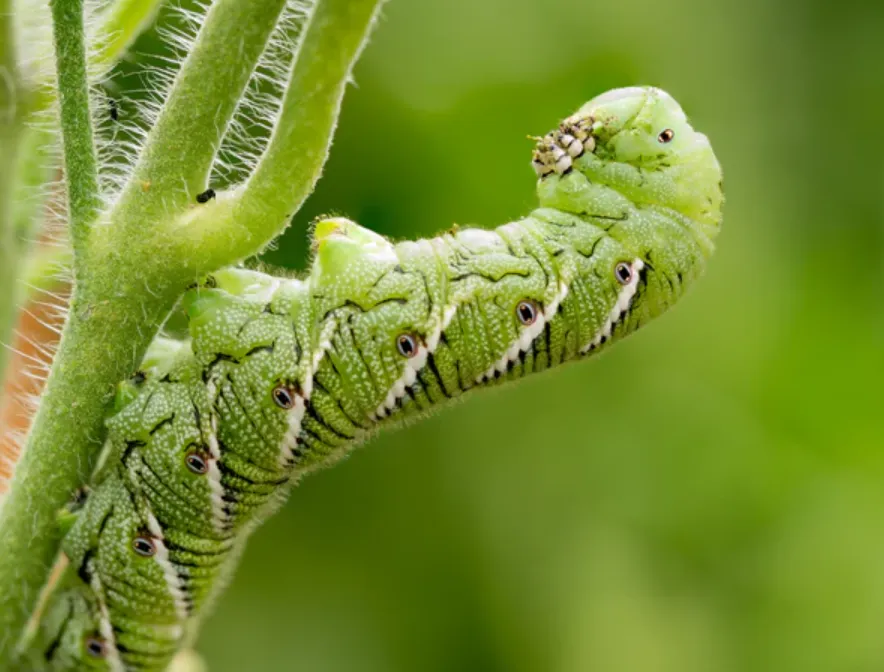
The larval stage of pantry moths is the most destructive part of the life cycle. Larvae look like small caterpillars, often whitish, cream, yellowish, pinkish, or slightly greenish, with brown heads. Mature larvae may reach about half an inch long.
Larvae feed on stored foods and spin silk threads as they move. This silk mixes with food particles, droppings, and shed skins, forming clumps or webs of food. This contamination is usually more important than the amount of food they actually eat.
Stage 3: Pupa
When larvae are fully grown, they often leave the food source and search for a protected place to pupate. This is why larvae may appear on pantry walls, ceilings, shelf corners, door hinges, cracks, or package seams.
Inside a silken cocoon, the larva changes into a pupa. During this stage, it does not feed. The body reorganizes into the adult moth form. In warm conditions, pupation may take about a week or two; in cooler conditions, it can last longer.
Stage 4: Adult Pantry Moth
The adult moth is the final stage. Adult pantry moths are small and usually have grayish front wings with reddish-brown or coppery outer wing sections. Adults are often seen flying in kitchens, pantries, garages, or storage rooms.
Adult moths do not cause the main food damage. Their main purpose is reproduction. Females lay eggs, males seek females, and the cycle starts again.
Important Things That You Need To Know
Understanding the pantry moth life cycle is important because control becomes easier when you know which stage you are dealing with. Adult moths flying around the kitchen are only the visible sign. The real problem is usually hidden inside dry foods where pantry moth larvae are feeding.
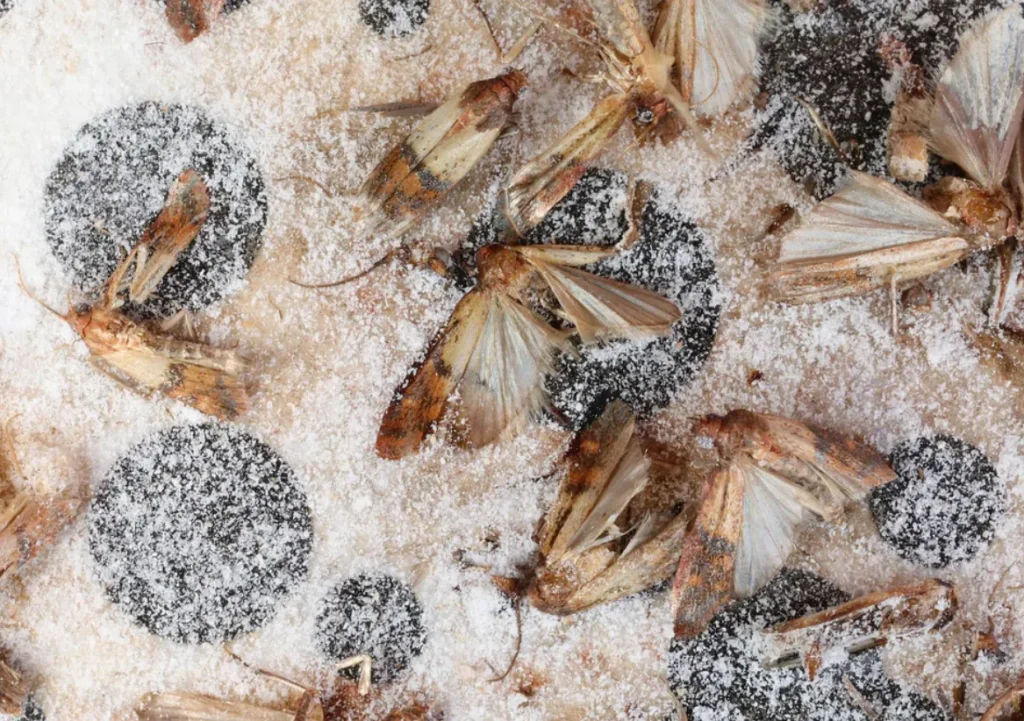
A pantry moth trap or multiple traps can help monitor adult moths, especially males, but traps alone usually do not eliminate the entire infestation. They cannot remove eggs, larvae, pupae, or contaminated food. For real control, the food source must be found, inspected, and removed.
Many people ask, what is a pantry moth, because it can be confused with clothes moths. A pantry moth is different. It is attracted to stored dry foods, not wool, silk, or cotton clothing. It is commonly found in cereals, grains, flour, rice, nuts, spices, chocolate, tea, pet food, and birdseed.
Pantry moth eggs are very hard to see, which makes early detection difficult. Searching for pantry moth egg pictures can help you understand their appearance, but in real life, webbing, larvae, clumped food, and adult moths are usually easier signs to notice.
The best approach is simple: inspect food, discard infested items, vacuum cracks, wash shelves, freeze suspicious dry goods, and store new foods in airtight glass, metal, or sturdy plastic containers.
Their main diet, food sources, and collection process are explained
Main Diet of Pantry Moth Larvae
The feeding stage of a pantry moth is the larva. Adult moths are short-lived and mainly focused on reproduction. Pantry moth larvae prefer dry, stored, plant-based foods, but they can also infest some processed foods and animal feeds.
Their diet commonly includes:
- Flour, cornmeal, oats, rice, pasta, and breakfast cereal
- Nuts, seeds, dried beans, and grain products
- Dried fruit, raisins, dates, and similar sweet, dry foods
- Chocolate, candy, powdered milk, and processed dry goods
- Spices, especially paprika, chili powder, and red pepper
- Birdseed, fish food, dry dog food, and dry cat food
How They Find and Collect Food
Pantry moth larvae do not “collect” food like ants—instead, the female places eggs close to food so larvae can begin feeding immediately after hatching. The larvae tunnel through the food, spin silk, and remain near the food source until they mature.
Why Packaged Food Is Still at Risk
Thin plastic, paper, cardboard, and loosely closed packages do not always protect food. Larvae may enter through tiny openings or chew through weaker packaging. That is why airtight containers are important for prevention.
How Long Does A Pantry Moth Live
The lifespan of a pantry moth depends on whether we are talking about the full life cycle or only the adult flying stage. Many people see adult moths and think the insect lives only a few days, but the hidden egg, larval, and pupal stages can prolong the infestation.
- Total life cycle length varies widely.
- Under favorable indoor conditions, the full cycle from egg to adult may finish in about 6–8 weeks. However, under different temperature and humidity conditions, development may range from about 27 to 305 days.
- The egg stage is short but hard to detect.
- Eggs may hatch in about 2–14 days. Since they are tiny and often hidden in food or packaging folds, this stage is usually missed.
- The larval stage is the longest active feeding stage.
- Larvae may feed for several weeks. In some conditions, larval development can slow down, especially if temperatures are low or food quality is poor.
- Pupal stage is a transformation stage.
- The pupa remains inside a silk cocoon. Depending on the temperature, this stage can last 1 to 3 weeks.
- The adult stage is short.
- Adult pantry moths generally live for 1 to 2 weeks. Purdue Extension notes that adults are short-lived and nonfeeding, with an adult lifespan of about 7nd seven days.
- Indoor infestations can continue year-round.
- In heated homes, pantries, warehouses, and food storage rooms, pantry moths can remain active year-round. Virginia Cooperative Extension notes that there may be 4–6 generations each year, and activity can continue year-round indoors.
- Cooler conditions slow the cycle.
- Lower temperatures reduce development speed. This is why freezing food for a week is often recommended to kill hidden eggs and larvae.
Pantry Moth Life Cycle Lifespan in the Wild vs. in Captivity
Lifespan in the Wild
In nature, pantry moth relatives may survive around seeds, dry plant matter, bird nests, or naturally stored organic material. However, survival is less predictable outdoors because temperature changes, predators, moisture, and food availability limit development.
In wild-like conditions, larvae may face more competition and natural enemies. Cold weather can slow growth, and dry food may not always be available. Because of these pressures, fewer individuals complete the full cycle successfully.
Lifespan in Captivity or Human Storage Areas
In homes, food shops, mills, warehouses, and grain bins, conditions can be much more favorable to pantry moth survival. Dry food is concentrated, shelter is available, and temperatures are often stable.
This human-made environment acts like a protected habitat. If food is left in weak packaging, moths can reproduce for multiple generations. Indoors, the complete cycle can take about 6 weeks, and populations can build quickly if the infested food source is not removed.
Importance of Pantry Moth Life Cycle in this Ecosystem
Role in Natural Food Webs
Although pantry moths are unwanted in homes, moths and their larvae are part of broader ecosystems. In nature, small moths can become food for birds, spiders, predatory insects, reptiles, and other animals. Their presence supports food chains at a small but real level.
Breakdown of Organic Matter
Larvae that feed on dry seeds or plant-based material help break down organic matter. In natural ecosystems, this contributes to nutrient cycling. However, inside homes and warehouses, the same feeding behavior becomes a food-contamination problem.
Indicator of Storage Weakness
The pantry moth life cycle also has practical importance for humans. It reveals weaknesses in food storage, packaging, sanitation, and pantry management. When pantry moths appear, it often means dry goods have been stored too long, spilled food is present, or packaging is not insect-proof.
Balance Between Ecosystem Value and Pest Control
The goal is not to protect pantry moths inside kitchens. The goal is to manage human food storage responsibly while protecting natural biodiversity outdoors. In nature, moths have ecological roles; in food storage areas, they must be controlled safely and hygienically.
What to do to protect them in nature and save the system for the future
Protect Natural Habitats
- Avoid unnecessary destruction of wild vegetation, hedgerows, and natural seed-producing plants. These areas support many moths, butterflies, birds, and beneficial insects.
Reduce Unnecessary Pesticide Use
- Use pesticides only when needed and always follow label directions. Overuse of chemicals can harm non-target insects, pollinators, predators, and soil organisms.
Use Safe Pantry Control Indoors
- For indoor pantry moth problems, focus first on sanitation, food removal, freezing, airtight storage, and monitoring traps instead of spraying around food areas.
Support Natural Predators
- Birds, spiders, and predatory insects help maintain balance in natural ecosystems. Keeping gardens diverse and pesticide-light supports these natural controls.
Prevent Food Waste Responsibly
- Store food properly, use older products first, and clean up spills promptly. This prevents pantry moth infestations while also reducing wasted grains, cereals, nuts, and pet food.
Fun & Interesting Facts About Pantry Moth Life Cycle
- Pantry moth larvae are the real food destroyers, not the adult moths flying around your kitchen.
- Adult pantry moths are often noticed first, but the infestation usually begins much earlier inside food packages.
- Pantry moth eggs are so small that most people never see them without close inspection.
- Mature larvae may crawl away from food and appear on ceilings or walls before pupating.
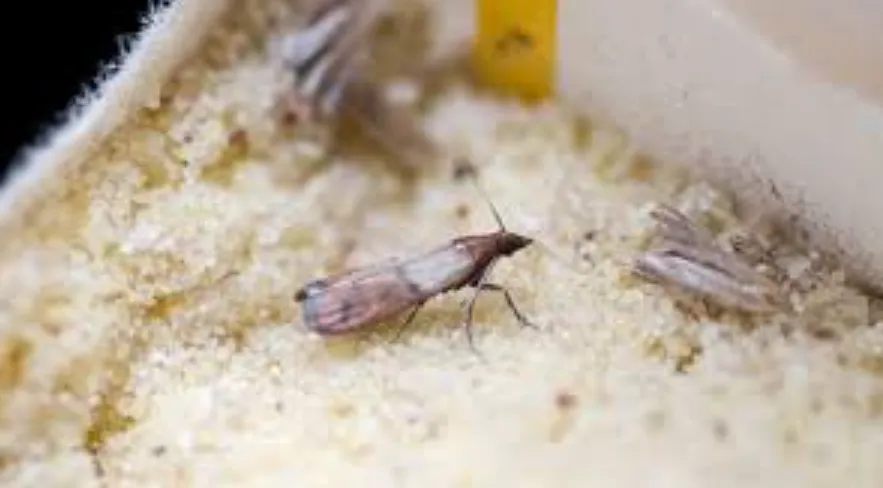
- The adult moth has a distinctive two-toned wing pattern, often gray near the body and coppery-brown toward the wing tips.
- Pantry moths can infest unopened-looking packages with tiny gaps, weak seals, or chewable packaging.
- Pantry moth traps mainly catch male moths, helping monitor activity but not removing all life stages.
- Infested food may show webbing, clumps, larvae, frass, shed skins, or small holes in packaging.
- Pantry moth larvae are not considered poisonous if accidentally ingested, but infested food should still be discarded for hygiene and quality reasons.
- Warm kitchens can speed up the life cycle, allowing repeated generations if the food source remains.
Frequently Asked Questions (FAQs)
Q: What is a pantry moth?
A: A pantry moth is a stored-food moth, usually the Indianmeal moth, that infests dry foods. It is commonly found in flour, cereal, rice, pasta, nuts, spices, birdseed, and dry pet food.
Q: What do pantry moth larvae look like?
A: Pantry moth larvae look like small caterpillars. They are usually cream, whitish, yellowish, pinkish, or greenish, with a brown head. Mature larvae may be about half an inch long.
Q: Are pantry moth traps enough to remove an infestation?
A: No. A pantry moth trap helps monitor and catch adult male moths, but it does not remove eggs, larvae, pupae, or infested food. You must find and remove the food source.
Q: Where are pantry moth eggs usually found?
A: Pantry moth eggs are usually laid on or near dry foods. They may be hidden in packaging folds, box corners, bag seams, cracks, or directly inside grain and flour products.
Q: How can I stop the pantry moth life cycle?
A: Remove infested foods, vacuum cracks and shelf corners, wash pantry surfaces, freeze suspicious dry goods for about a week, and store all new foods in airtight glass, metal, or sturdy plastic containers.
Conclusion
The pantry moth life cycle is simple but highly effective: egg, larva, pupa, and adult. The most important stage to understand is the larval stage, because that is when stored foods are eaten and contaminated with silk webbing, frass, and shed skins. Adult moths are only the visible warning sign; the hidden problem is usually inside dry food packages.
A complete solution requires more than killing flying moths. You need to inspect all dry goods, remove infested items, clean shelves and cracks, freeze suspicious foods, and store products in airtight containers. Pantry moth traps are useful for monitoring, but they should be part of a bigger control plan.
In nature, moths have ecological value as part of food webs and nutrient cycling. In the pantry, however, they are a hygiene and food-storage problem. By understanding their life cycle, you can stop infestations early and protect both your food and your home.
Also Read: fish life cycle





Leave a Reply