
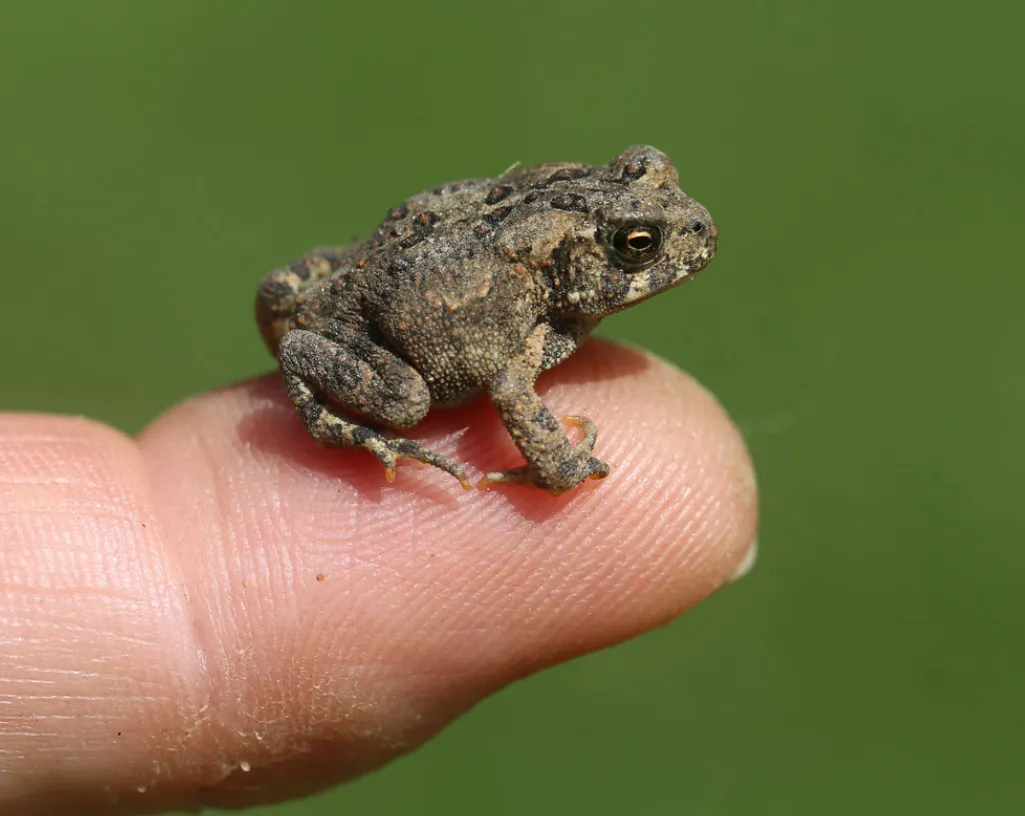
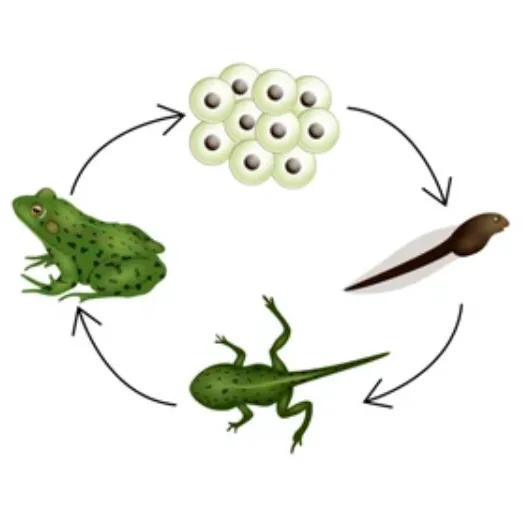
The toad’s life cycle is one of nature’s clearest examples of metamorphosis, in which an animal changes its body form, habitat, diet, and survival strategy as it grows. Most toads begin life as soft, jelly-covered eggs laid in water. These eggs hatch into aquatic tadpoles that breathe through gills and feed mainly on algae and other organic material. Later, the tadpoles grow legs, lose their tails, develop lungs, and become tiny toadlets ready to leave the water. Finally, they mature into adult toads that live mostly on land but return to water for breeding.
A toad is not biologically separate from frogs in a strict way. All toads are frogs, because they belong to the order Anura, but many “true toads” belong to the family Bufonidae and often have dry, bumpy skin, shorter legs, and toxin-secreting parotoid glands behind the eyes.
Quick Answers: Most Common Questions
Q: What are the 4 main stages of a toad’s life cycle?
A: The 4 main stages are egg, tadpole, toadlet, and adult toad.
Q: How long does it take for a toad egg to become a toad?
A: It depends on species, water temperature, and food. For the American toad, eggs may hatch in 3–12 days, and tadpoles may transform in about 40–70 days.
Q: Do toads live in water or on land?
A: Toads use both. Eggs and tadpoles usually need water, while toadlets and adults spend much of their lives on land, returning to ponds, pools, ditches, or wetlands to breed.
Quick Life Cycle Table
| Stage | Where It Lives | What Happens | Main Food | Time Frame |
| Egg | Water | Jelly-covered eggs develop embryos | Nutrients inside the egg | A few days to weeks |
| Tadpole | Water | Gills, tail, no legs at first | Algae, detritus, tiny organic matter | Several weeks |
| Toadlet | Water edge and land | Legs grow, tail shrinks, lungs work | Tiny insects and small invertebrates | Days to weeks |
| Adult Toad | Mostly land | Breeds, hunts, hibernates or shelters | Insects, worms, slugs, spiders | Years |
Important Things That You Need To Know
When people search for toad, they may not always mean the same thing. In biology, a toad is an amphibian, usually a rough-skinned, land-loving member of the frog group. However, online search terms can mix animal science with games, food, fashion, and local search intent.
For example, “frog” and “toad” are useful keywords because many readers want to know the difference between them. Frogs usually have smoother, wetter skin and stronger jumping legs, while many toads have drier, bumpier skin and walk or make shorter hops. Still, this is a common-language difference, not a perfect scientific rule.
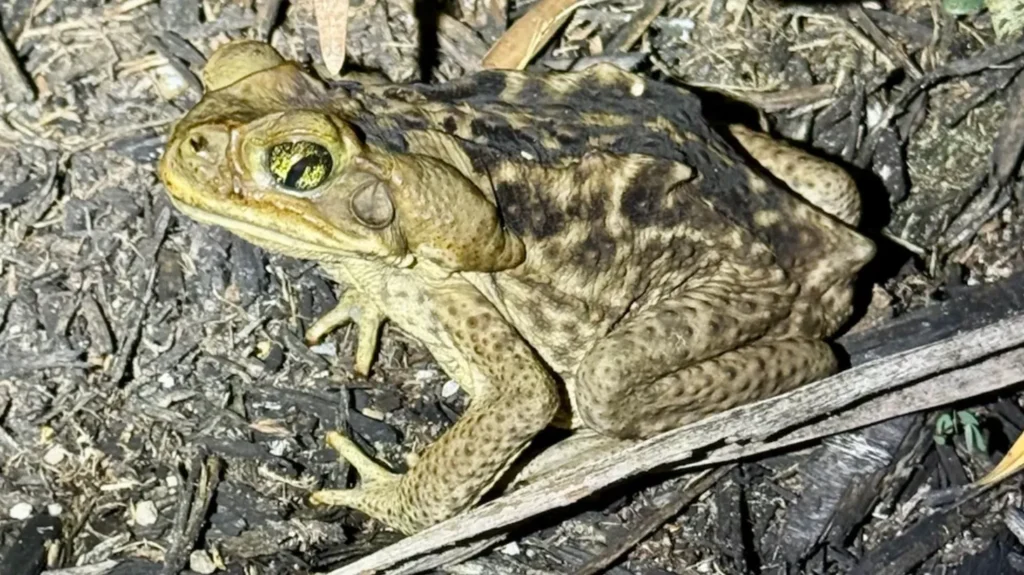
The phrase “cane toad” is important because it refers to a large toad species that became invasive in Australia after being introduced for pest control. Cane toads can poison predators and disrupt native wildlife, so they are often discussed in conservation topics.
Other LSI phrases have different meanings. Toad Mario points to the Mushroom Kingdom character from Nintendo games, not the animal. Toad in the hole is a British dish, not a life-cycle topic. “Toad and Co” is a clothing brand, while “best toad in the hole near me” is a local restaurant-style search.
The History of Their Scientific Naming, Evolution, and Origin
Scientific Naming of Toads
The word “toad” is a common name, not a single species name. Many true toads belong to the family Bufonidae. At the same time, individual species have their own scientific names, such as Anaxyrus americanus for the American toad, Bufo bufo for the common toad, and Rhinella marina for the cane toad.
Family and Classification
Toads belong to the order Anura, the group that includes frogs and toads. The family Bufonidae is one of the major true-toad families and includes many genera distributed worldwide. AmphibiaWeb describes Bufonidae as a large and complex family with global distribution, although Australia’s famous cane toad is introduced rather than native.
Evolution and Origin
Toads evolved within the wider frog lineage. Their dry-looking skin, powerful toxin glands, and land-based habits helped many species survive in forests, grasslands, gardens, wetlands, and semi-dry environments. Scientific studies of Bufonidae show that true toads experienced major evolutionary radiation, spreading into many habitats and regions over time.
Their Reproductive Process, Giving Birth And Rising Their Children
Courtship and Mating Calls
Most male toads call during the breeding season to attract females. Their calls are often heard near ponds, temporary pools, marshes, ditches, and slow-moving water. The sound helps females locate strong breeding males and helps males compete with one another.
Amplexus: The Toad Mating Position
During mating, the male usually climbs onto the female’s back in a position called amplexus. As the female releases eggs into the water, the male releases sperm over them. This is called external fertilization, because fertilization happens outside the body.
Egg Laying
Many toads lay eggs in long, jelly-like strings rather than round clumps. The American toad may lay 4,000–8,000 eggs in long tubes of jelly, and those eggs often hatch faster in warmer water.
Giving Birth: Rare Exceptions
Most toads do not give live birth. However, some rare toad species in the genus Nectophrynoides can give birth to live toadlets, skipping the free-swimming tadpole stage. This is unusual among frogs and toads and is found in only a small minority of species.
Raising Their Young
Most toads do not care for their young after laying eggs. Their survival strategy is to produce many eggs, because eggs and tadpoles face predators, drying water, disease, and competition. A few unusual amphibians show parental care, but the typical toad life cycle depends on large egg numbers and fast development.
Stages Of Toad’s Life Cycle
Stage 1: Egg
The egg stage begins when female toads lay jelly-covered eggs in water. Toad eggs are often placed in long strings attached to aquatic plants, sticks, or shallow pond edges. Each egg contains a tiny developing embryo, protected by a jelly coat.
This jelly helps keep the egg moist and provides some protection, but eggs remain vulnerable. Fish, insects, birds, water quality, temperature, and drying ponds can all affect survival.
Stage 2: Tadpole
After hatching, the young toad becomes a tadpole. Tadpoles look very different from adult toads. They have tails, live in water, breathe through gills early in life, and usually feed on algae, plant material, bacteria-rich surfaces, and decaying organic matter.
In many species, this stage is a race against time. If a temporary pool dries too quickly, tadpoles may die before metamorphosis.
Stage 3: Toadlet
The tadpole stage marks the transition from water to land. Hind legs appear first, then front legs develop. The tail becomes smaller as the body absorbs it, and the lungs become more important for breathing.
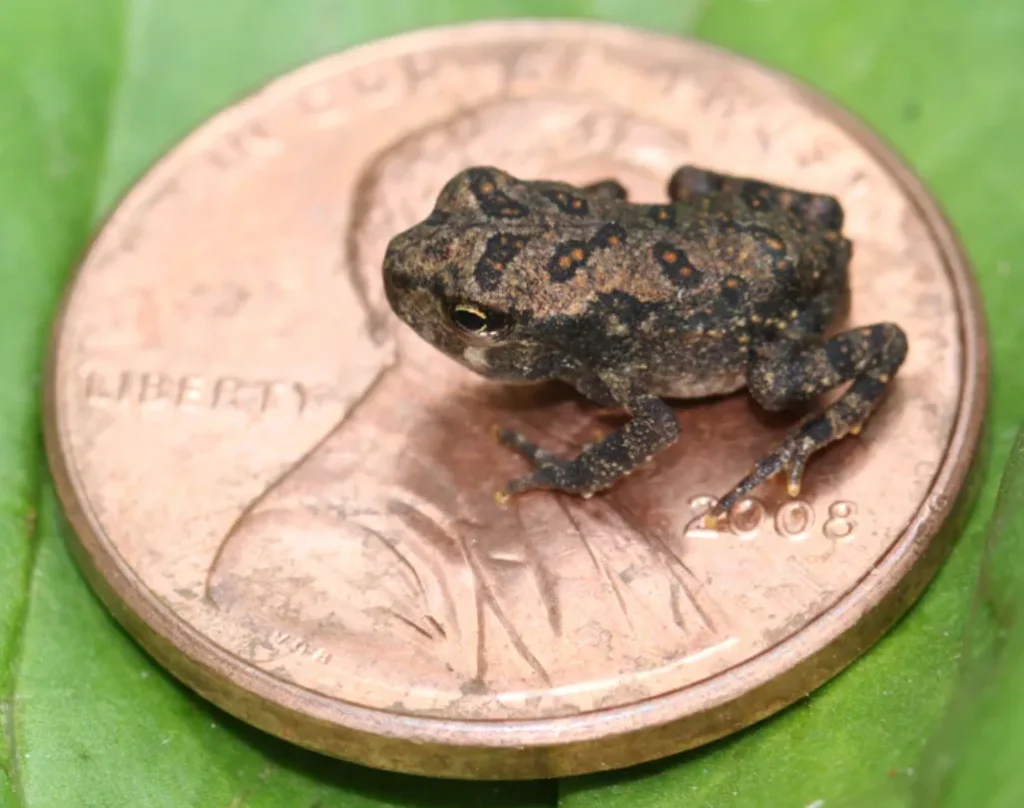
At this stage, the young toad changes diet. Instead of mainly scraping algae, it begins hunting tiny insects and small invertebrates. Toadlets are small, soft-bodied, and vulnerable, so they hide in damp grass, leaf litter, mud edges, and shaded areas.
Stage 4: Adult Toad
The adult toad is mostly terrestrial. It hunts at night, hides during the day, and returns to water when it is time to reproduce. Adult toads eat insects, slugs, worms, spiders, and other small animals they can catch.
An adult toad’s body is built for survival: camouflage helps it hide, bumpy skin breaks up its outline, and parotoid glands produce defensive toxins that discourage many predators.
Their Main Diet, Food Sources, And Collection Process Explained
Tadpole Diet
Toad tadpoles usually eat algae, soft plant matter, biofilm, detritus, and tiny organic particles in the water. Their small mouths are adapted for scraping and grazing on underwater surfaces.
This diet helps clean pond surfaces and recycle nutrients. Tadpoles also become food for aquatic insects, fish, birds, reptiles, and larger amphibians.
Toadlet Diet
Once a tadpole becomes a toadlet, its feeding style changes. The young toad begins hunting tiny land-based prey such as springtails, small flies, small ants, mites, and other soft-bodied insects.
Toadlets must eat often because they are growing quickly. Damp soil, shaded plants, pond edges, and leaf litter are important feeding zones.
Adult Toad Diet
Adult toads are carnivorous predators. Their common foods include beetles, ants, crickets, worms, slugs, snails, spiders, larvae, and many garden insects. American toads are known to eat worms, ants, spiders, mealworms, crickets, slugs, and similar small prey.
Food Collection Process
Toads are sit-and-wait hunters. They stay still, watch for movement, and quickly flick out a sticky tongue to catch prey. If the prey is large, the toad may grab it with its jaws and swallow it whole.
Because toads eat many insects and soft-bodied pests, gardeners often consider them helpful natural pest controllers.
How Long Does A Toad Live
The lifespan of a toad depends heavily on species, climate, predators, habitat quality, disease, and whether it lives in the wild or captivity. A small toad in a risky habitat may live only a few years, while a protected captive toad may live much longer.
Different species also have different lifespans. The American toad is often reported to live several years in the wild and longer in captivity, while the common toad can live much longer under good conditions.
Key lifespan points:
- Wild toads face many dangers early in life. Fish, aquatic insects, birds, snakes, and other predators eat eggs and tadpoles.
- Many toads die before adulthood. Producing thousands of eggs helps balance the low survival rate of the early stages.
- Adult survival improves after metamorphosis. Once a toad becomes larger and develops stronger toxin defenses, it has a better chance of living several years.
- American toads may live around 4–6 years in the wild and 10–12 years in captivity, according to some zoo fact sheets, though the exact lifespan varies by care and population.
- Common toads can live longer than many people expect. Captive common toads have been reported to live possibly 40–50 years, while wild individuals are often thought to live closer to about 10–12 years.
- Temperature matters. Warm conditions can speed egg and tadpole development, while cold climates may slow growth and delay maturity.
- Clean water is essential. Polluted ponds can harm eggs, deform tadpoles, or reduce survival.
- Safe shelter increases lifespan. Leaf litter, logs, loose soil, native plants, and chemical-free gardens help toads avoid heat, dehydration, and predators.
- Captivity is not automatically better. Poor captive care, wrong humidity, bad diet, dirty enclosures, and stress can shorten life.
- A healthy ecosystem is the best protection. Toads need both aquatic breeding areas and safe land habitats.
Toad Lifespan in the Wild vs. in Captivity
Lifespan in the Wild
In the wild, a toad’s life is shaped by survival pressure. Eggs may dry out, tadpoles may be eaten, and toadlets may be lost to birds, snakes, mammals, insects, or harsh weather. Wild adults also face road traffic, pesticides, drought, habitat loss, and disease.
Even so, adult toads can be surprisingly tough. Their camouflage, nighttime behavior, burrowing habits, and defensive toxins help them survive.
Lifespan in Captivity
In captivity, toads may live longer because they are protected from predators, drought, traffic, and food shortages. However, captivity must provide the right humidity and temperature, clean water, hiding places, UV or proper lighting when needed, and a safe diet.
Captive lifespan varies by species. Some toads may live around 10 years, while long-lived species such as common toads may live several decades under excellent care.
Main Difference
The biggest difference is risk. Wild toads have natural freedom but many dangers. Captive toads are protected but depend entirely on proper care.
Importance of Toad’s Life Cycle In This Ecosystem
Natural Pest Control
Toads are important insect predators. Adult toads eat many insects, larvae, slugs, and other small invertebrates. This helps control pests naturally in gardens, farms, forests, and wetlands. USGS notes that amphibians help control insect pests and mosquitoes, benefiting both agriculture and human health.
Food for Other Animals
Toads are also prey. Eggs, tadpoles, toadlets, and adults feed many animals, including fish, birds, snakes, raccoons, turtles, and larger amphibians. This makes them part of both aquatic and land-based food webs.
Nutrient Cycling
Tadpoles help move nutrients through ponds by feeding on algae and organic matter. Adults move energy from insects into larger predators. Because their life cycle connects water and land, toads help link two ecosystems.
Environmental Indicators
Toads have permeable skin and depend on clean water for reproduction. This makes them sensitive to pollution, drought, disease, and habitat damage. Amphibians are often described as useful indicators of ecosystem health because environmental stress affects them quickly.
What To Do To Protect Them In Nature And Save The System For The Future
Protect Wetlands and Breeding Ponds
- Save small ponds, marshes, ditches, and seasonal pools.
- Avoid draining wet areas during breeding season.
- Keep shallow edges and native aquatic plants where eggs can attach.
Avoid Pesticides and Chemicals
- Do not spray pesticides near ponds, gardens, or damp areas.
- Toads absorb chemicals through their skin.
- Use natural pest-control methods whenever possible.
Create Safe Garden Habitat
- Leave leaf litter, logs, stones, and native plants.
- Build shaded, damp hiding places.
- Keep part of the garden wild and chemical-free.
Help Toads Cross Roads Safely
- Many toads migrate to breeding ponds at night.
- Drive slowly near wetlands during rainy spring evenings.
- Support local amphibian crossing signs, tunnels, or volunteer rescue groups.
Prevent Invasive Species Problems
- Never release pet amphibians into the wild.
- Do not move toads between regions.
- Invasive species such as the cane toad can harm native wildlife when introduced outside their natural range.
Fun & Interesting Facts About Toad’s Life Cycle
- Toads are frogs, but not all frogs are called toads.
- Many toads lay eggs in long jelly strings, while many frogs lay eggs in clumps.
- A single female toad may lay thousands of eggs, but only a small number usually survive to adulthood.
- Toad tadpoles breathe in water, but adult toads breathe air with lungs and through their skin.
- Toadlets often leave ponds in large numbers after rain.
- Adult toads usually hunt at night to avoid heat and dehydration.
- Toads do not give people warts. The “warts” on toad skin are natural bumps and glands.
- The parotoid glands behind the eyes can produce toxins that discourage predators.
- Toads are useful garden animals because they eat slugs, beetles, ants, worms, and many insects.
- Some rare toads give birth to live young instead of laying eggs, but this is not common.
- Many toads return to the same breeding areas year after year.
- Toads are sensitive to pollution, making them valuable signs of local environmental health.
Frequently Asked Questions (FAQs)
Q: What is the complete toad’s life cycle?
A: The complete toad’s life cycle usually includes four stages: egg, tadpole, toadlet, and adult toad. Eggs and tadpoles live in water, while toadlets and adults spend more time on land.
Q: How is a toad different from a frog?
A: In common language, toads often have drier, bumpier skin, shorter legs, and more land-based habits. Frogs often have smoother skin and stronger jumping legs. Scientifically, toads are part of the frog order Anura.
Q: What do baby toads eat?
A: Baby toads begin as tadpoles that eat algae and organic material in water. After becoming tadpoles, they start eating tiny insects and small invertebrates.
Q: Do all toads lay eggs?
A: Most toads lay eggs in water, usually in jelly-like strings. A few rare species give birth to live toadlets, but this is unusual among frogs and toads.
Q: Why are toads important in nature?
A: Toads control insects, feed other wildlife, recycle nutrients, and help show whether an ecosystem is healthy. Their need for clean water and safe land habitat makes them important environmental indicators.
Final Word
The toad’s life cycle is a powerful story of survival, transformation, and ecological balance. From tiny eggs in shallow water to swimming tadpoles, fragile toadlets, and insect-hunting adults, each stage has a special role in nature.
Toads may look ordinary, but they help control pests, feed other animals, support nutrient cycling, and warn us when wetlands or gardens are becoming unhealthy. Their life depends on clean water, safe shelter, native plants, and chemical-free habitats.
Understanding the life cycle of a toad also helps people protect them. A small pond, a quiet garden corner, fewer pesticides, and safer roads can make a real difference. When we protect toads, we are not saving only one animal. We are supporting the larger ecosystem that depends on amphibians, insects, birds, reptiles, soil, water, and a healthy natural balance.
Also Read: tomato caterpillar life cycle





Leave a Reply