
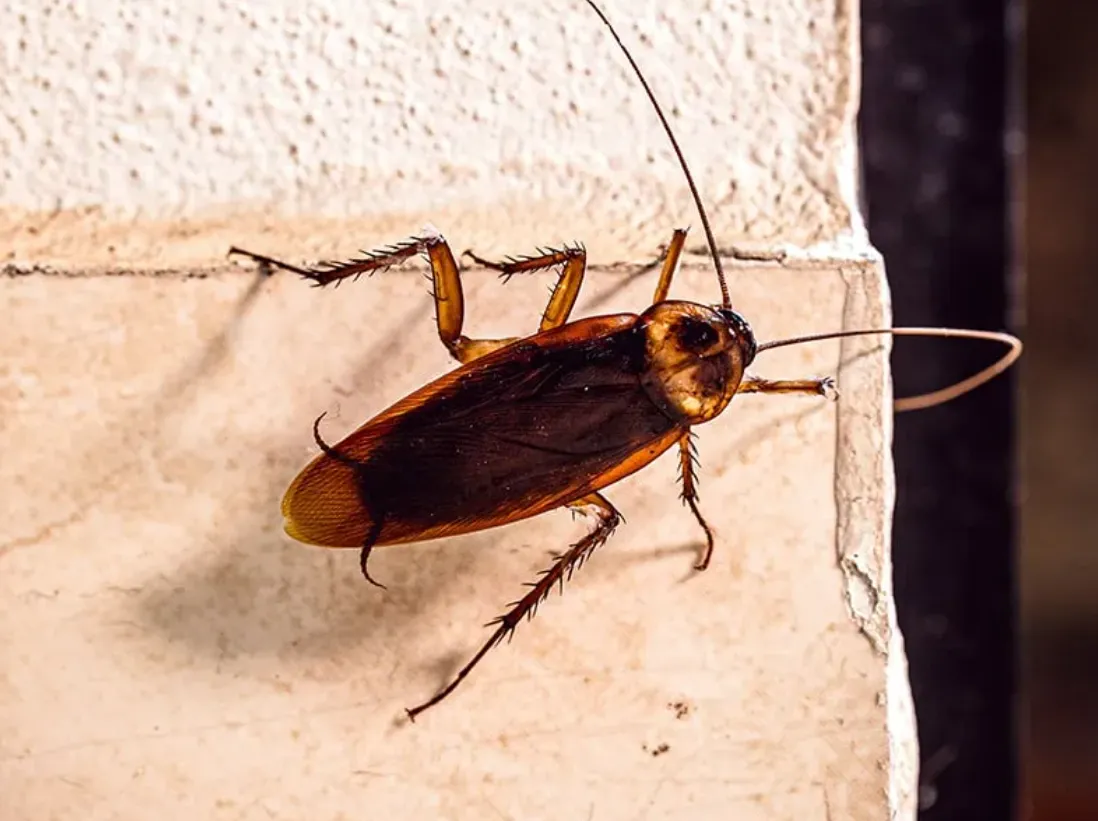
The American roach life cycle describes how the American cockroach develops from an egg case into a winged adult. Scientifically known as Periplaneta americana, this insect is one of the largest common cockroaches found around homes, restaurants, drains, sewers, basements, garbage areas, and warm outdoor shelters.
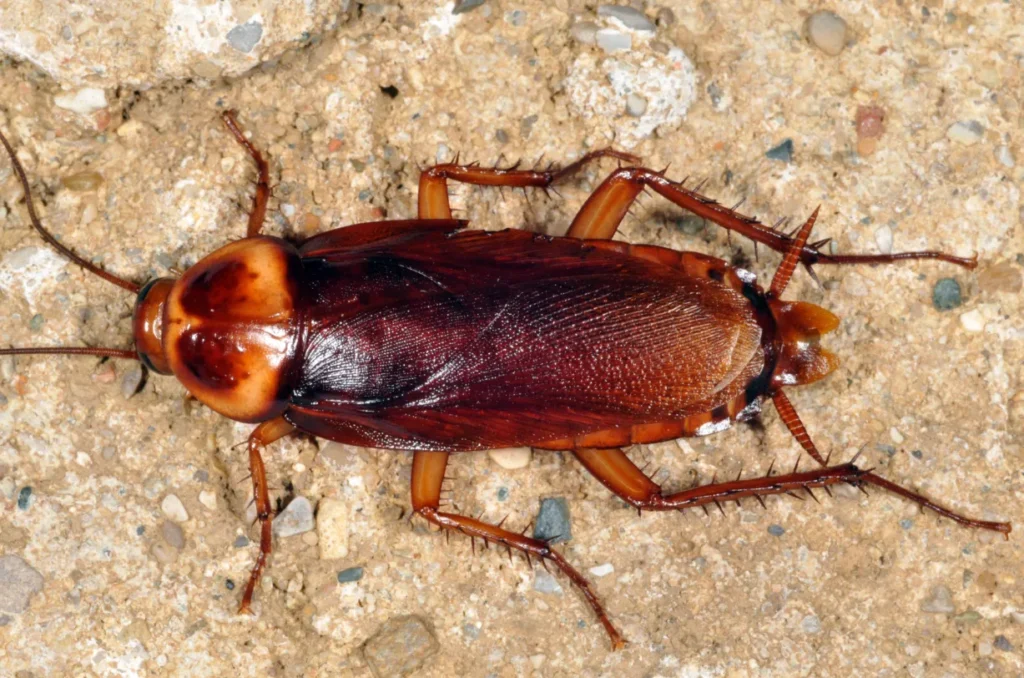
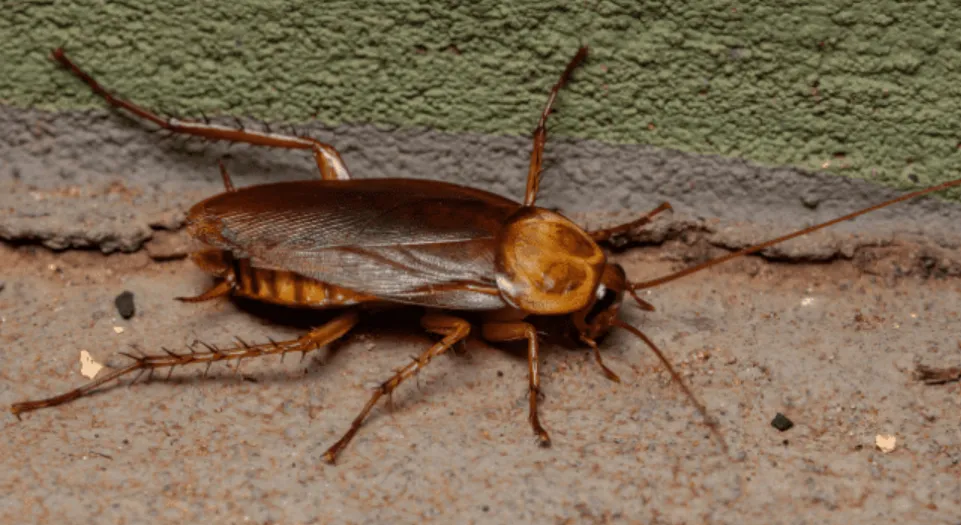
Adults are usually reddish-brown with a pale yellowish border behind the head, and they are known for their fast running, night activity, and ability to survive in moist, hidden spaces. University extension data describes the American cockroach life cycle as having three biological stages: egg, nymph, and adult. Development from egg to adult can average around 600 days, while adults may live many additional months under favorable conditions.
Although the name says “American,” this species is not originally native to North America. It is believed to have originated in Africa and spread widely via ships, trade, and human-made environments. Today, the American roach is found worldwide, especially in warm and humid regions.
Quick Answers: Most Common Questions
Q: How many stages are in the American roach life cycle?
A: The true biological life cycle has three stages: egg, nymph, and adult. For practical purposes, people often discuss it in four phases: mating, ootheca (egg case), nymph growth, and adult reproduction.
Q: How long does an American roach take to become an adult?
A: It can take about 6 to 12 months, and in some conditions longer. University of Florida data reports that complete development from egg to adult averages about 600 days.
Q: How many babies can an American roach produce?
A: A female may produce an average of about 150 young in her lifetime, depending on temperature, humidity, food, shelter, and survival conditions.
Quick Life Cycle Table
| Life Phase | Mobile-Friendly Details |
| Mating & Egg Case Formation | Female mates and forms a protective egg case called an ootheca. |
| Egg / Ootheca Stage | Egg cases are brown to dark, purse-shaped, and often hidden in warm, moist, protected places. |
| Hatching Time | Nymphs usually hatch after about 6 to 8 weeks under suitable conditions. |
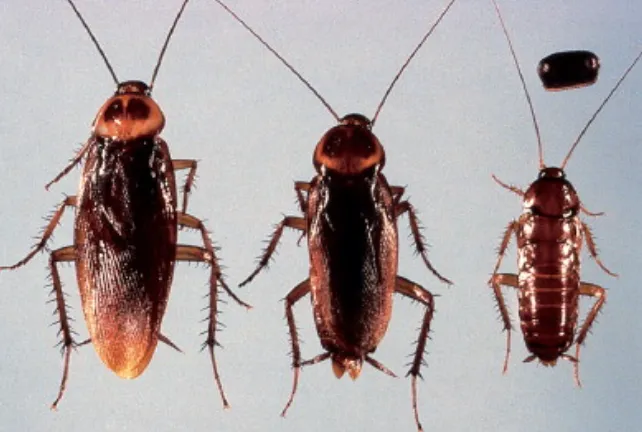
| American Roach Nymph Stage | Nymphs look like small adults but have no wings. They molt many times as they grow. |
| Molting Count | American cockroach nymphs may molt about 6 to 14 times before adulthood. |
| Adult Stage | Adults are reddish-brown, winged, fast-moving, and capable of reproducing. |
| Total Development | Egg-to-adult development may average around 600 days, depending on the environment. |
| Adult Lifespan | Adults may live for up to 1 year or more in favorable conditions. |
Important Things That You Need To Know
Many people confuse the American roach with the German cockroach, but they are very different pests. The American roach is larger, reddish-brown, and often found in sewers, drains, basements, crawl spaces, and warm outdoor areas. The German cockroach is smaller, light brown, and strongly associated with kitchens, food-preparation zones, apartments, and indoor breeding sites. UC IPM notes that German cockroaches are among the most persistent indoor cockroach pests because they reproduce quickly and live close to food, water, and shelter.
The comparison between the German roach and the American of German origin. American roach matters because control methods depend on correct identification. An American roach nymph is wingless, reddish-brown to dark brown, and grows slowly through repeated molts. German cockroach nymphs are smaller and usually found much closer to indoor food sources.
The signs are also different. American roach droppings are usually larger than German cockroach droppings because the insects are larger. People may also search for American roach poop when they notice dark pellets, stains, shed skins, or egg cases near damp hiding spots.
The phrase “American roach vs. German roach” is important for homeowners because American roaches often invade from outdoors, sewer lines, or structural gaps, while German roaches usually build indoor populations rapidly. In short, German vs. American roach identification helps you determine whether you are dealing with a moisture-entry problem, a sanitation issue, or a fast-breeding indoor infestation.
The History of Their Scientific Naming, Evolution, and Origin
Scientific Naming
The American cockroach is scientifically named Periplaneta americana. Taxonomic databases list it in the kingdom Animalia, phylum Arthropoda, class Insecta, order Blattodea, family Blattidae, genus Periplaneta, and species Periplaneta americana. GBIF records the species as Periplaneta americana (Linnaeus, 1758) and also notes the older synonym Blatta americana.
Evolutionary Background
Cockroaches belong to an ancient insect group. Britannica describes cockroaches as primitive winged insects that resemble fossils more than 320 million years old. This long evolutionary history explains their strong survival ability, flexible diet, fast movement, and tolerance of difficult environments.
Origin And Global Spread
Despite the common name, the American cockroach is not truly American in origin. It is believed to be native to Africa and the Middle East, and to have spread worldwide through shipping, trade, and warm human-made habitats.
Their Reproductive Process, Giving Birth And Rising Their Children
Mating And Egg Production
The American roach does not give birth like mammals. Instead, the female produces a protective egg case called an ootheca. In many cockroach species, females produce eggs within well-formed cases that protect the developing young until hatching. Britannica notes that most cockroaches produce egg cases, although a few cockroach groups give live birth.
Ootheca Placement
Female American cockroaches place the ootheca in warm, moist, hidden areas. Outdoors, they prefer concealed oviposition sites. Indoors, egg cases may be found near drains, basements, crawl spaces, utility rooms, cardboard, wall gaps, and other quiet shelters. The egg case contains enough water for the developing eggs, which helps protect them after the case is deposited.
Hatching And Early Growth
After several weeks, young roaches hatch as nymphs. These nymphs are small, soft, and pale at first, then darken as their outer skeleton hardens. They do not have wings at this stage. Instead, they feed, hide, molt, and slowly develop into adults.
Raising Their Young
American cockroaches do not provide parental care for their young. The mother protects the young indirectly by placing the ootheca in a safe, hidden location. After hatching, the American roach nymph survives independently by finding food, water, shelter, and warmth.
Stages of the American Roach Life Cycle
Stage 1: Mating And Ootheca Formation
The first practical stage begins when adults mate. After mating, the female produces an ootheca, which is the egg case. This case is not just a container; it is a protective structure that helps eggs survive away from the mother’s body. The case may turn darker after being deposited, and it is usually placed in a concealed area where temperature and humidity are conducive to development.
Stage 2: Egg Case Stage
The egg case is the hidden beginning of the visible American roach life cycle. It is brown to blackish, small, and purse-shaped. University of Florida data describes the egg case as about 8 mm long and 5 mm high. The eggs inside develop without needing additional water from the outside.
Stage 3: American Roach Nymph Stage
The American roach nymph stage begins after hatching. Nymphs resemble adults but are smaller and wingless. They grow through repeated molts, shedding their outer skeleton as their bodies grow. American cockroach nymphs may molt between 6 and 14 times, depending on the environment, food, temperature, and humidity.
Stage 4: Adult Stage
The final phase is the winged adult stage. Adults are reddish-brown with a pale yellowish band around the pronotum, the shield-like area behind the head. Adults forage for food and water, mate, and continue the cycle. They are mostly nocturnal, hiding during the day and emerging at night to feed. University of Arizona notes that American cockroaches are fast runners and capable of flight, especially in warmer conditions.
Their Main Diet, Food Sources, And Collection Process Explained
The American roach is an opportunistic omnivore, meaning it eats a wide range of organic material. In natural environments, it helps break down decaying matter. In human environments, it becomes a problem because it feeds on food waste, crumbs, garbage, grease, starches, and other materials found around buildings.
Main Food Sources
The American cockroach consumes decaying organic matter and can eat almost anything available. University of Florida lists foods and materials such as sweets, bread, fruit, fish, peanuts, paper, book bindings, hair, cloth, dead insects, and other organic items.
Food Collection Behavior
American roaches usually forage at night. They move along wall edges, pipes, drains, corners, cracks, and sheltered routes. Their flattened bodies help them squeeze into tight spaces, while long antennae help them detect food, moisture, and chemical cues.
Indoor Feeding Problems
Indoors, they may feed on spilled drinks, pet food, damp cardboard, garbage residue, and crumbs trapped in cracks. NPIC advises that cockroach control should begin by denying food and water, cleaning debris, sealing entry points, reducing clutter, and using monitoring traps before resorting to pesticides.
Why Diet Matters In The Life Cycle
A steady diet shortens survival stress and supports molting, reproduction, and egg production. Without enough water, survival becomes harder. This is why damp basements, drains, leaking pipes, and sewer-connected areas are strongly linked with American roach activity.
How Long Does an American Roach Live
The lifespan of an American roach depends on temperature, humidity, food, water, hiding space, predators, pesticides, and human disturbance. It is a slow-developing cockroach compared with the German cockroach.
- Egg-to-adult development can be long.
- The University of Florida reports that complete development from egg to adult averages about 600 days, although nymphs may mature in 6 to 12 months under favorable conditions.
- Adults may live many additional months.
- The adult lifespan may be another 400 days in favorable conditions, and adults can commonly live for around a year.
- Temperature changes the development speed.
- Warm, humid conditions help American cockroaches grow faster. Cold, dry, or food-poor environments slow the life cycle and reduce survival.
- Water is extremely important.
- American roaches are strongly associated with moisture. They can survive in dry places only if they have access to water. Animal Diversity Web notes that they prefer moist areas and warm temperatures.
- The nymph stage is the longest part.
- Most of the life cycle is spent as a growing nymph. During this stage, the roach must molt repeatedly. Each molt is risky because the body is soft and vulnerable just after shedding.
- Adults focus on reproduction.
- Once mature, adults spend their time feeding, hiding, mating, and producing the next generation.
- Indoor lifespan may increase with shelter.
- In protected indoor environments, fewer predators and stable warmth may help some individuals survive longer.
- Outdoor lifespan is usually more uncertain.
- Outdoors, predators, weather, dryness, and habitat disturbance can reduce survival, even though the species is naturally adapted to warm, moist outdoor shelters.
- Population growth is slower than that of German roaches.
- American cockroaches do not multiply as quickly as German cockroaches, so large indoor infestations are less common unless food, water, warmth, and hiding places are consistently available.
American Roach Life Cycle Lifespan in the Wild vs. in Captivity
Lifespan In The Wild
In the wild or semi-wild environment, American cockroaches live under mulch, leaf litter, rocks, rotting material, tree holes, drains, sewer areas, and damp shelters. Predators, drought, flooding, temperature stress, competition, and a lack of a steady food supply often shorten their lifespan. Birds, reptiles, amphibians, rodents, spiders, and other predators may feed on cockroaches.
Lifespan Around Human Structures
Around buildings, the American roach may survive well because humans unintentionally provide warmth, moisture, garbage, drains, cardboard, and hiding spaces. University of Arizona notes that these cockroaches are well adapted to warm, wet outdoor areas but can also reproduce indoors in humid places.
Lifespan In Captivity Or Lab Conditions
In captivity, lifespan can be longer and more predictable because temperature, humidity, food, water, and shelter are controlled. When roaches are protected from predators and harsh weather, the adult stage may last many months. However, overcrowding, poor ventilation, mold, and lack of water can still reduce survival.
Main Difference
The main difference is stability. In the wild, survival is uncertain. In captivity or protected indoor habitats, the American roach’s life cycle can continue more successfully because conditions remain steady.
Importance of the American Roach Life Cycle In This Ecosystem
Natural Decomposition
Although the American cockroach is a serious pest indoors, cockroaches in nature play an ecological role as decomposers. They help break down leaf litter, dead plant material, animal waste, and other organic matter. The American Museum of Natural History describes cockroaches as important contributors to nutrient cycling because they break down organic material and return nutrients to the soil.
Food For Other Animals
Cockroaches are also food for many animals. Birds, lizards, frogs, small mammals, spiders, and other insects may eat them. In this way, roaches support food webs, especially in warm and tropical habitats.
Soil Nutrient Recycling
When roaches consume decaying matter, their waste helps return nutrients to the soil. This supports microbes, plants, and other decomposer organisms. National Geographic explains that decomposers are essential because they break down dead organisms, making nutrients available again in ecosystems.
A Balanced View
Their ecological importance does not mean people should tolerate indoor infestations. In homes, restaurants, hospitals, and other food areas, American cockroaches can contaminate surfaces and worsen allergy or asthma symptoms. Outdoors, however, they are part of a larger recycling system.
What To Do To Protect Them In Nature And Save The System For The Future
1. Protect Natural Decomposer Habitats
- Keep natural leaf litter, mulch zones, rotting logs, and soil organisms protected in gardens, forests, and wild spaces.
- These areas support not only roaches but also fungi, beetles, worms, microbes, and other decomposers.
2. Avoid Unnecessary Pesticide Use Outdoors
- Do not spray broad insecticides everywhere “just in case.”
- Use targeted pest control only when there is a real indoor health or sanitation issue.
- NPIC recommends Integrated Pest Management first, including sanitation, sealing, monitoring, and moisture control.
3. Keep Roaches Outdoors, Not Indoors
- Seal cracks, door gaps, drains, crawl-space openings, pipe holes, and foundation gaps.
- This protects human health while allowing outdoor decomposers to remain in nature.
4. Reduce Garbage Pollution
- Covered trash bins, clean drains, and proper waste handling reduce unnatural roach population explosions.
- Balanced ecosystems do not need piles of human garbage to support insect life.
5. Protect Biodiversity
- Roaches are food for birds, reptiles, amphibians, and other wildlife.
- Protecting green spaces, native plants, and soil health helps maintain the natural food chain.
Fun & Interesting Facts About American Roach Life Cycle
- The American cockroach is not native to the Americas. It likely came from Africa and spread globally through human travel and trade.
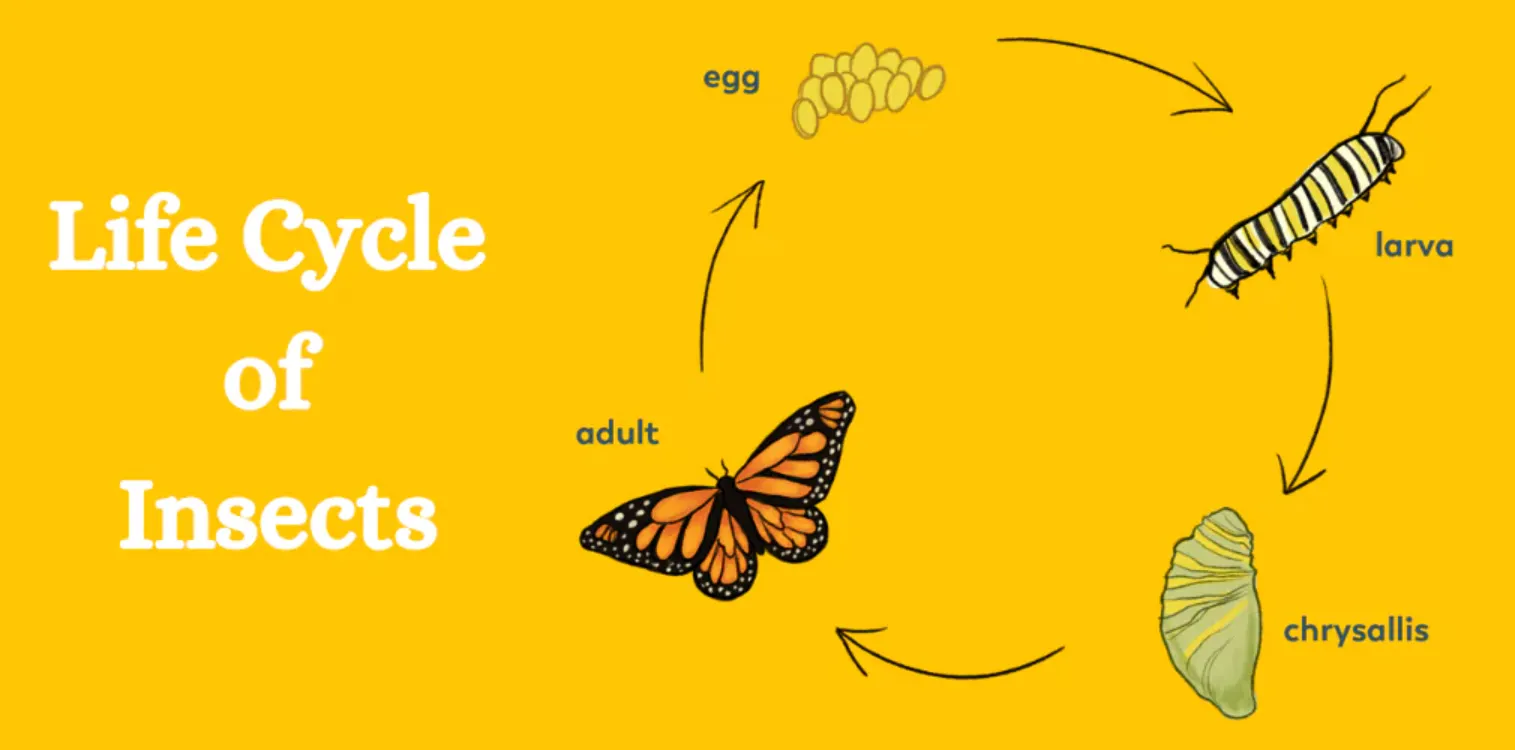
- It has no pupal stage. The American roach life cycle follows incomplete metamorphosis: egg, nymph, and adult.
- Nymphs look like mini adults. An American roach nymph is smaller and wingless, but already has the general roach body shape.
- They molt many times. Nymphs may molt between 6 and 14 times before becoming adults.
- Adults can fly. American cockroaches have wings, and both males and females may fly or flutter in warm conditions.
- They are mostly nocturnal. They hide during the day and come out at night to search for food and water.
- They are strong survivors. Their flexible diet helps them survive in sewers, basements, kitchens, garbage areas, and outdoor shelters.
- They clean their antennae often. Cockroaches rely heavily on their antennae for chemical sensing and communication, so keeping them clean helps them survive.
- They are fast runners. Their speed helps them escape predators and quickly hide in cracks.
- They are both useful and harmful. Outdoors, they help recycle nutrients. Indoors, they can contaminate food and worsen allergy risks.
Frequently Asked Questions (FAQs)
Q: What is the American roach life cycle?
A: The American roach life cycle is the development process from egg case to nymph to adult. Scientifically, it has three stages, but it is often explained in four practical phases: mating, ootheca, nymph, and adult.
Q: What does an American roach nymph look like?
A: An American roach nymph looks like a small adult roach but has no wings. Young nymphs may be pale just after hatching or molting, then become darker reddish-brown as their outer body hardens.
Q: How can I identify American roach droppings?
A: American roach droppings are usually dark and larger than German cockroach droppings. They are often found near hiding areas, drains, basement corners, wall edges, cardboard, and other sheltered places.
Q: What is the difference between the German roach and the American roach?
A: The German roach is smaller, reproduces faster, and usually lives close to indoor kitchens and food-preparation areas. The American roach is larger, reddish-brown, slower to reproduce, and often linked with sewers, drains, basements, and warm, damp spaces. UC IPM identifies German cockroaches as among the most persistent indoor pests.
Q: How long can an American roach live?
A: Development from egg to adult may average around 600 days, and adults may live up to about a year or more under favorable conditions. Temperature, humidity, food, water, and shelter strongly affect survival.
Final Word
The American roach’s life cycle is slow but highly successful in terms of survival. From a hidden ootheca to a growing American roach nymph, and finally to a winged adult, each stage is designed for protection, feeding, hiding, and reproduction. This species can live in sewers, basements, outdoor debris, drains, garbage areas, and warm, humid buildings because it uses moisture, darkness, and organic food sources extremely well.
At the same time, it is important to understand the balance. The American cockroach plays a useful role outdoors by helping break down organic matter and supporting food webs. Still, it becomes a health and sanitation concern when it enters homes or food areas. Correct identification, especially when comparing American roaches vs. German roaches. German helps people choose the right response. Protect nature, reduce indoor access, remove food and water sources, and use smart pest management when needed.
Also Read: tiger life cycle





Leave a Reply