
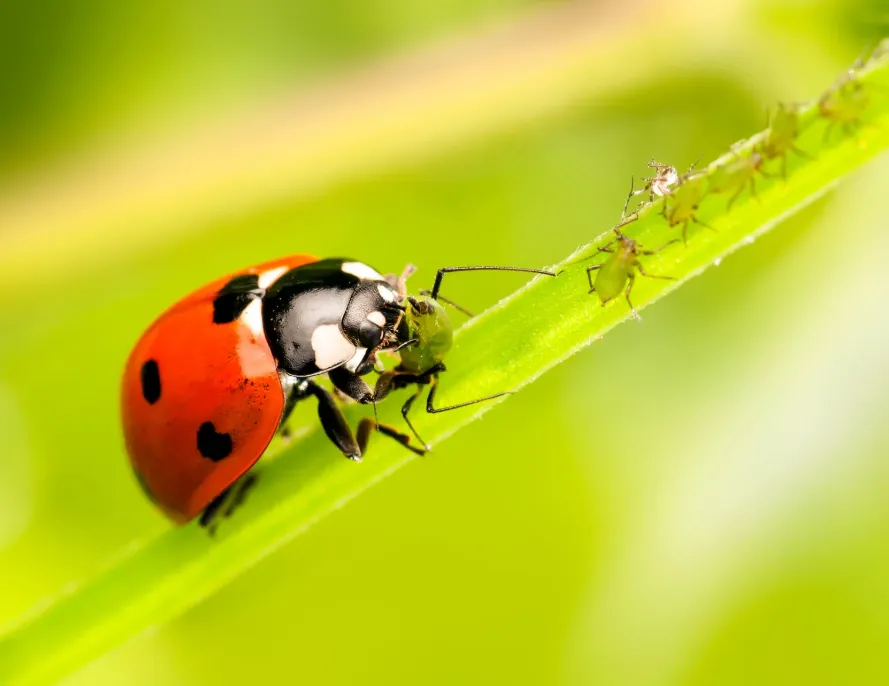
Ladybugs, also known as ladybirds or Coccinellidae, are small but mighty creatures that play an essential role in nature. These colorful beetles, often characterized by their red bodies with black spots, are beloved by gardeners and nature enthusiasts for their beneficial qualities. But beyond their charming appearance, ladybugs undergo a fascinating life cycle that is both complex and intriguing.
Ladybugs are known for their natural pest-control abilities, particularly in keeping aphid populations in check. Their presence is a sign of a healthy garden ecosystem. Understanding their life cycle, evolution, and ecological importance is crucial for both researchers and environmental advocates. So, why do ladybugs matter so much? How do they reproduce? And what can we do to protect them?
In this article, we will dive deep into the ladybug life cycle, their historical background, evolutionary journey, and their significance in the ecosystem. Whether you are a nature lover or a garden enthusiast, this article will give you a comprehensive understanding of one of nature’s most beneficial insects.
Quick Life Cycle Table
| Life Stage | Duration | Key Features |
| Egg | 2-7 days | Small, yellow/white eggs laid in clusters |
| Larva | 2-3 weeks | Black and orange with a spiky body |
| Pupa | 1-2 weeks | Transformation phase in a cocoon-like form |
| Adult | 1-2 years (depending on environment) | Red or orange with black spots, fully developed |
The History of Their Scientific Naming
Ladybugs were given the scientific name “Coccinellidae” from the Latin word coccineus, meaning “scarlet,” referring to their bright red color. The “lady” in “ladybug” originates from their association with the Virgin Mary in European folklore. It was believed that these insects were sent as a divine gift to protect crops. In fact, their initial name in England was “Our Lady’s beetle” in honor of this association. Over time, the name evolved to “ladybird” and eventually “ladybug.”
Their Evolution and Their Origin
Ladybugs have been around for millions of years, with fossil records showing that they appeared during the late Jurassic period. Originally, ladybugs evolved as predators of other insects, particularly aphids, making them crucial to maintaining ecological balance. Their bright colors and spots are not just for decoration – they act as a warning signal to potential predators. These colors indicate that the ladybug may be toxic or unpalatable, a defense mechanism known as “aposematism.”
Ladybugs are found worldwide, with over 5,000 species known. The most commonly recognized species is the seven-spotted ladybug (Coccinella septempunctata), native to Europe but introduced to many regions worldwide. Over the years, they have adapted to a wide range of environments, from forests to urban gardens.
Their evolutionary success can be attributed to their highly efficient lifecycle, dietary habits, and ability to thrive in diverse habitats. The diversity of species has allowed ladybugs to populate nearly every continent, except Antarctica, and contribute significantly to the ecosystems they inhabit.
Their Main Food and Its Collection Process
Ladybugs are primarily aphid predators, feeding mostly on aphids, scale insects, and other small, soft-bodied bugs. Their role as natural pest controllers makes them an invaluable asset to farmers and gardeners alike. Here’s how they collect their food:
- Hunting Method: Ladybugs use their keen sense of smell to detect aphids and other pests. They are particularly attracted to plant leaves and stems where aphids are found feeding.
- Feeding: Once a ladybug locates an aphid colony, it uses its strong mandibles to pierce the aphids and consume them. An adult ladybug can eat up to 50 aphids a day, while larvae can consume even more during their developmental stage.
- Efficiency: Ladybugs are highly effective at controlling aphid populations and are often introduced into crops as a form of biological pest control, reducing the need for chemical pesticides.
By preying on aphids and other harmful insects, ladybugs help to keep plants healthy and reduce the spread of pests that can damage crops and gardens.
Their Life Cycle and Ability to Survive in Nature
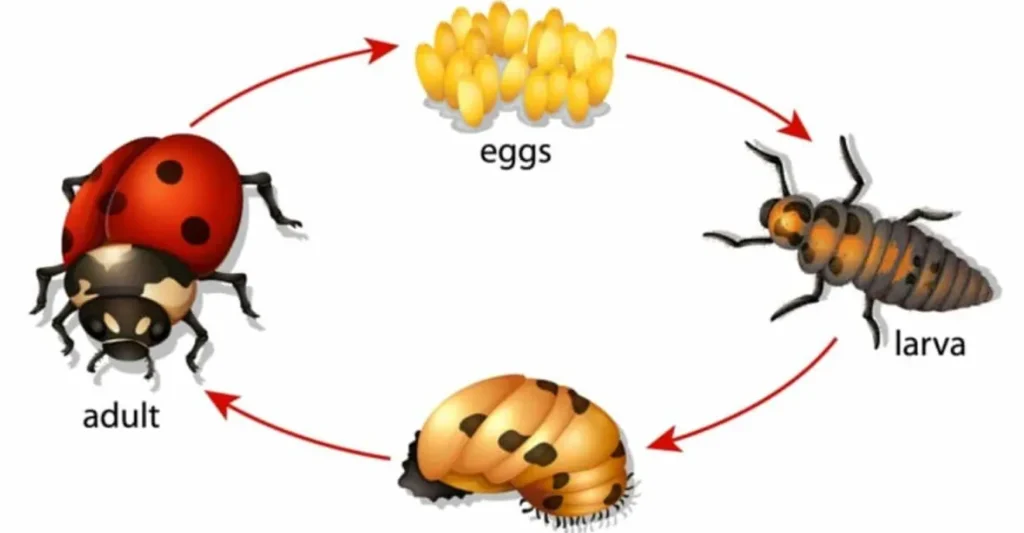
Ladybugs undergo four distinct stages in their life cycle: egg, larva, pupa, and adult. This process is known as complete metamorphosis, a characteristic of many insects. Here’s a closer look at their life cycle:
H3: Life Cycle Stages
- Egg Stage: The cycle begins when a female ladybug lays her eggs in clusters, usually on the underside of leaves near aphid colonies. The eggs hatch in about 2-7 days.
- Larva Stage: Once the eggs hatch, the larvae emerge as small, black, and spiny creatures with orange markings. The larvae are ravenous and consume large amounts of aphids and other pests during their 2-3 week stage.
- Pupa Stage: After feeding, the larvae enter the pupa stage. During this phase, the larva transforms into an adult ladybug. This stage lasts about 1-2 weeks.
- Adult Stage: The adult ladybug emerges with its distinctive red or orange body with black spots. Adult ladybugs can live for 1-2 years, depending on environmental factors such as food availability and climate.
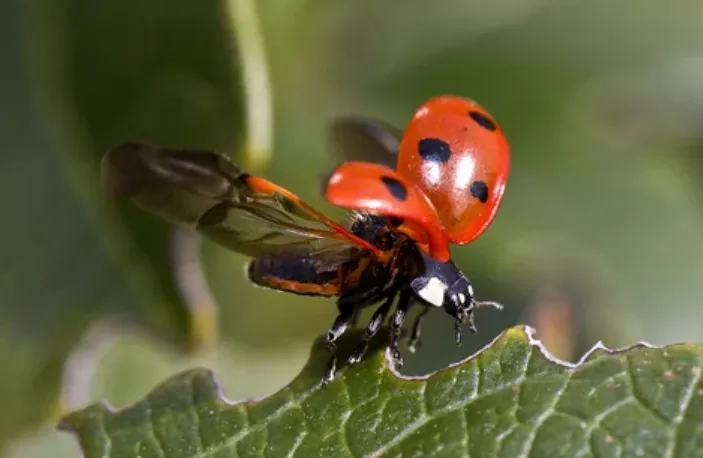
Their Reproductive Process and Raising Their Children
Ladybugs reproduce by mating during the warmer months, typically in spring or early summer. After mating, the female lays her eggs on the underside of leaves, near aphid colonies. Here’s a closer look at their reproductive process:
- Mating: Male ladybugs are often attracted to females by the chemical signals (pheromones) they release. Once mated, the female lays her eggs in protected spots.
- Eggs: Female ladybugs can lay up to 100 eggs at a time, which hatch within a week or so.
- Larvae: The larvae are left to fend for themselves, feeding on aphids and growing quickly over the next few weeks.
- Pupa: After feeding, larvae pupate and undergo metamorphosis, emerging as fully developed adult ladybugs.
The entire process from egg to adult can take as little as a month, depending on the environment. Once they mature, ladybugs assume their role as natural pest controllers, continuing the cycle.
Importance of Them in This Ecosystem
Ladybugs play an essential role in maintaining a healthy ecosystem. Their primary contribution is their ability to control pest populations. By feeding on aphids and other harmful insects, they help maintain the balance between plant and insect populations. This is crucial for the health of crops, forests, and gardens.
Ecological Benefits of Ladybugs
- Pest Control: Ladybugs are natural predators of aphids, scale insects, and other small pests, helping reduce the need for harmful pesticides.
- Biodiversity Support: By controlling pest populations, ladybugs ensure that plant life thrives, supporting a wide variety of other wildlife that depend on plants for food and shelter.
- Soil Health: Healthy plants lead to healthier soil, which benefits the overall ecosystem by supporting a range of species, from microorganisms to larger animals.
Ladybugs, therefore, play a crucial role in maintaining biodiversity, supporting food chains, and ensuring the health of the environment.
What to Do to Protect Them in Nature and Save the System for the Future
Protecting ladybugs and ensuring their survival is vital for preserving natural pest control systems and maintaining biodiversity. Here are a few things we can do:
- Plant Native Vegetation: Support the growth of plants that attract aphids and provide food for ladybugs, such as dill, fennel, and yarrow.
- Reduce Pesticides: Pesticides not only kill harmful pests but also harm beneficial insects, such as ladybugs. Reducing pesticide use can help protect them.
- Provide Shelter: Ladybugs need safe places to lay eggs and hibernate. Creating a habitat with plants, shrubs, and trees can provide shelter for ladybugs.
- Encourage Natural Habitats: Avoid monocultures in your garden and aim for diverse plantings. This encourages a variety of insects, including ladybugs, to thrive.
Frequently Asked Questions (FAQs)
- What do ladybugs eat?
- Ladybugs primarily feed on aphids, scale insects, and other small pests that harm plants.
- How long do ladybugs live?
- The lifespan of a ladybug varies depending on the species, but they can live up to 1-2 years.
- Where do ladybugs lay their eggs?
- Ladybugs lay their eggs on the underside of leaves, especially near aphid colonies.
- Why are ladybugs beneficial for gardeners?
- Ladybugs are natural predators of aphids and other pests, helping to keep gardens healthy without the use of chemicals.
- What are ladybug larvae like?
- Ladybug larvae are small, spiny, and often black with orange markings. They are voracious eaters, consuming many aphids during their development.
- Can ladybugs survive winter?
- Yes, ladybugs can hibernate in sheltered locations, such as under tree bark or in leaf litter, to survive the winter.
- How do ladybugs protect themselves from predators?
- Ladybugs’ bright coloration acts as a warning to potential predators, signaling that they may be toxic or distasteful.
- Are all ladybugs red with black spots?
- No, while many ladybugs are red with black spots, they can also be orange or yellow with various patterns.
Conclusion
Ladybugs are not just charming, colorful creatures; they are vital components of our ecosystems. From their fascinating life cycle to their role as natural pest controllers, ladybugs play a significant role in maintaining healthy gardens, farms, and forests. Protecting these beneficial insects helps preserve an essential part of nature’s balance for future generations. By understanding and respecting their role, we can all help support ladybug populations and the ecosystems they sustain.
Also Read: grasshopper insect life cycle















Leave a Reply