
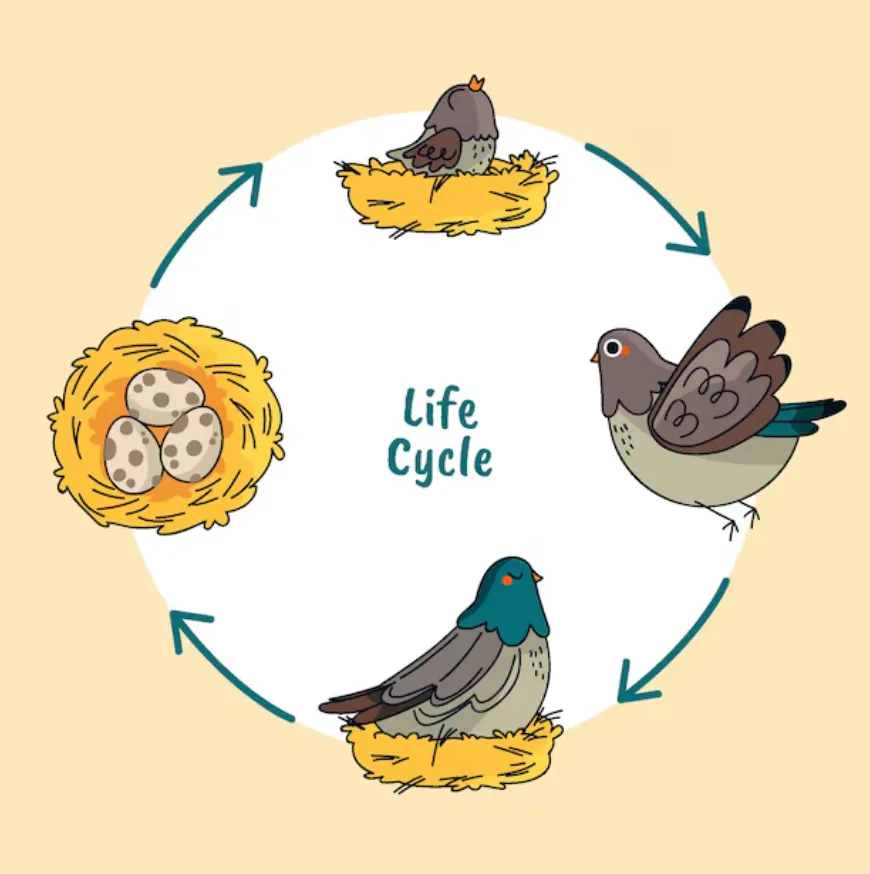
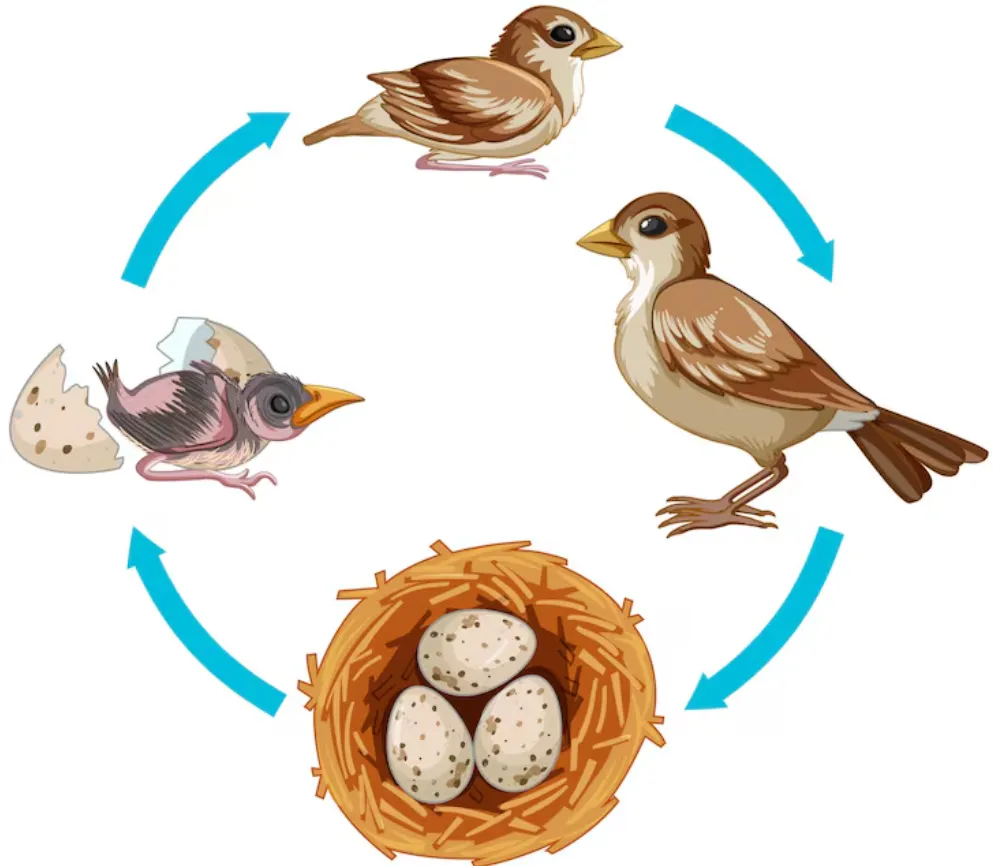
The life cycle of birds is a remarkable process that spans several stages, from the moment an egg is laid to the time the bird takes flight. This fascinating journey provides insight into the incredible survival strategies birds have developed over millions of years. Birds, being warm-blooded vertebrates, undergo a well-defined series of stages in their lives, including egg, hatchling, juvenile, and adult. Each stage is critical for their development, and understanding these stages is key to appreciating how birds thrive in nature.
Quick Answers to Common Questions:
- What is the life cycle of a bird?
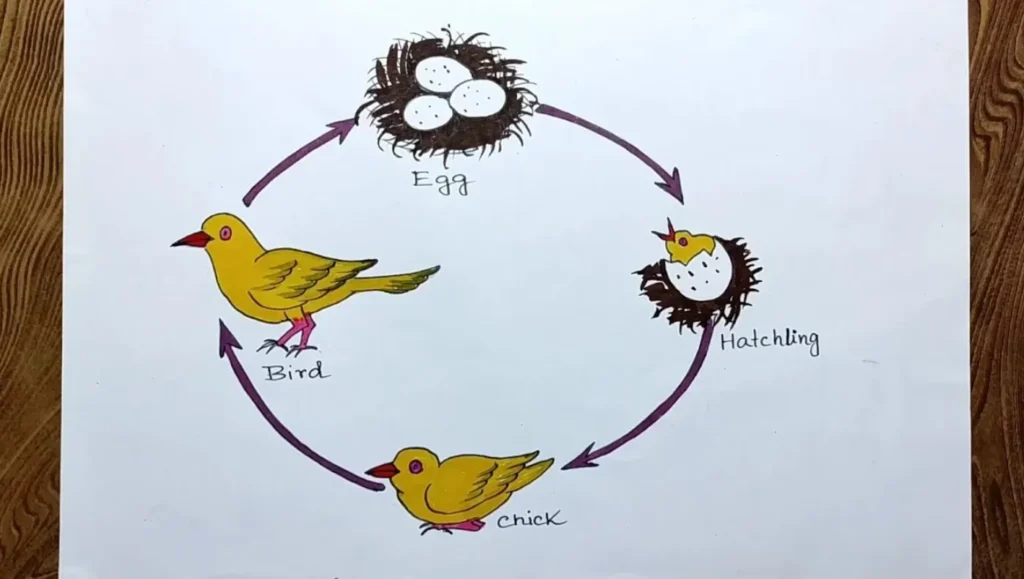
- The life cycle of a bird includes the egg, hatching, chick, fledgling, and adult stages. Birds start life as eggs, then hatch into chicks, develop into fledglings, and eventually become fully grown adults capable of reproduction.
- How long does it take for a bird to grow from an egg to an adult?
- The time taken for a bird to grow from an egg to an adult varies by species. For instance, chickens take about 5–6 months, while larger birds like eagles may take up to 2–3 years.
- What are the stages in the bird life cycle?
- The bird life cycle stages include: egg, hatching (chick), fledgling, and adult.
Quick Life Cycle Table
| Stage | Description | Duration |
| Egg | The initial stage of the bird’s development inside the egg. | 10-30 days (Varies by species) |
| Chick | After hatching, the bird is weak and dependent on the parents for food. | 2-3 weeks (Varies by species) |
| Fledgling | The bird begins to grow feathers and learns to fly. | 3-5 weeks |
| Adult | The fully developed bird is capable of reproduction. | Varies by species (typically 1-2 years) |
The History of Their Scientific Naming
The scientific naming of birds, also known as binomial nomenclature, was introduced by Carl Linnaeus in 1758. This system uses two Latin names, the genus and species, to classify each bird. The genus name is capitalized, while the species name is lowercase. For example, the scientific name for the common pigeon is Columba livia.
The first part of the name represents the genus, while the second part refers to the species within that genus. The naming process has evolved significantly over the centuries, with scientists continuously studying birds’ physical traits, behavior, and genetics to classify them more accurately. This system helps scientists and researchers communicate clearly and systematically about birds worldwide.
Their Evolution and Their Origin
Birds are the modern descendants of theropod dinosaurs, meaning they share a direct evolutionary link with these ancient creatures. Birds first appeared during the late Jurassic period, around 150 million years ago. Over millions of years, theropod dinosaurs evolved into birds, adapting to various environments through changes in their anatomy and behavior. These evolutionary changes included the development of feathers, a beak instead of teeth, and the ability to lay eggs with hard shells.
The origin of birds can be traced back to small, feathered theropods, which exhibited bird-like features. Archaeopteryx, a dinosaur that lived around 150 million years ago, is one of the earliest known birds, providing the first clear evidence of feathers and flight. As birds continued to evolve, they adapted to a wide range of ecological niches, from flying species to ground-dwelling birds, showing incredible diversity in form and function.
Over time, the ancestors of modern birds diversified into the vast array of species we see today, each adapted to its specific environment, from dense forests to open grasslands and even urban areas. The evolution of birds is a fascinating example of natural selection and adaptation, as they continue to thrive across a wide range of habitats worldwide.
Their Main Food and Its Collection Process
Birds are highly diverse in their diets, with each species having specific food preferences and foraging methods. Here are some key food sources and collection processes:
- Insects: Many birds, such as robins and swallows, primarily feed on insects. These birds forage by hopping on the ground or by catching insects in mid-air using their sharp beaks.
- Seeds and Fruits: Species like finches and parrots prefer seeds and fruits. They use their beaks to crack open seeds and often feed on fruits by pecking at them.
- Fish: Birds like herons and eagles rely on fish as their main food source. They catch fish by swooping down to water bodies and using their sharp talons to grab them.
- Nectar: Hummingbirds are known for feeding on nectar from flowers. They have specialized beaks to sip nectar while hovering in mid-air.
The process of food collection varies by species. Birds of prey use their sharp talons to catch prey, while smaller birds like sparrows forage on the ground or in trees for seeds, fruits, and insects. The food collection process is crucial for their survival, as birds need the right nutrients to maintain their energy levels, grow, and reproduce.
Their Life Cycle and Ability to Survive in Nature
Life Cycle and Survival
Birds are highly resilient creatures, and their life cycle is designed to ensure their survival. The life cycle includes stages that are vital for their growth and reproduction, ensuring that they can continue their species. Birds are born from eggs, which provide them with the necessary protection and nutrients to develop before hatching. Once hatched, birds are dependent on their parents for food and care, which helps them grow stronger.
As birds grow older, they gradually become more independent and develop survival skills, such as flying and hunting. Their ability to fly is particularly important for escaping predators and migrating to safer climates. Additionally, birds’ ability to adapt to various environments, from dense forests to deserts, contributes to their survival. Their keen eyesight and sharp beaks also help them locate food and navigate through their surroundings.
Their Reproductive Process and Raising Their Children
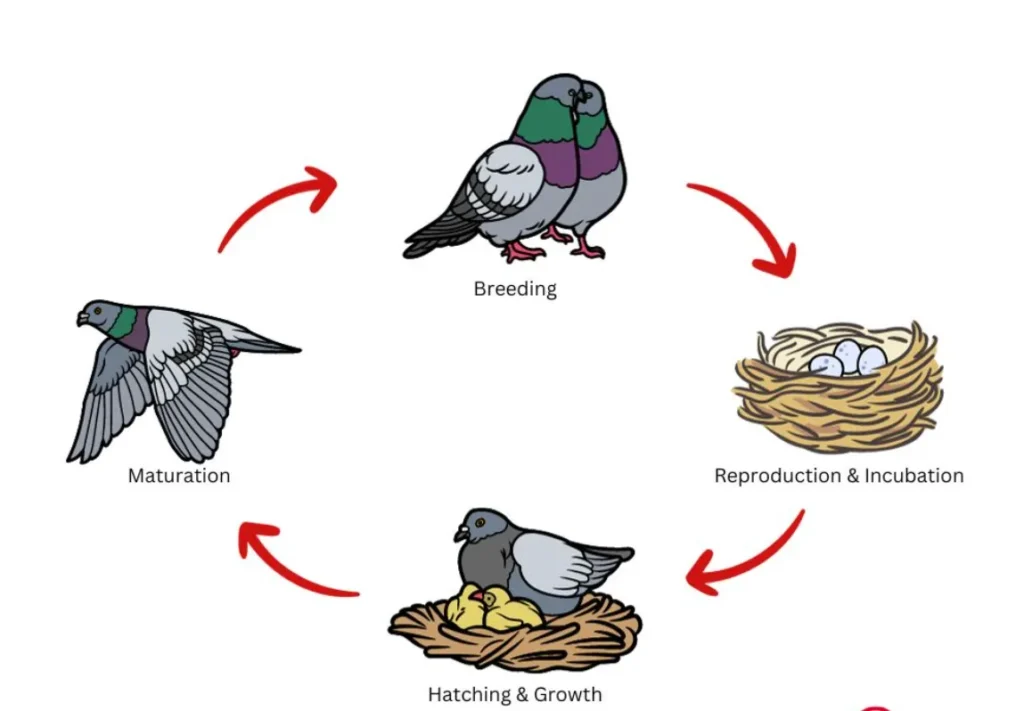
Birds reproduce through sexual reproduction, and their reproductive process involves several steps:
- Courtship: Most birds engage in elaborate courtship rituals to attract mates. These can include singing, dancing, or displaying colorful feathers to impress potential mates.
- Mating: Once a mate is chosen, birds mate to produce eggs. The female typically lays a clutch of eggs, which she will incubate with the help of her mate.
- Incubation: During the incubation period, which can last anywhere from a few days to several weeks, the parents keep the eggs warm and protected. This is a crucial stage in the bird’s life cycle.
- Hatching and Rearing: After the eggs hatch, the parents care for their chicks by feeding them and keeping them safe. As the chicks grow, they become more independent and begin to learn essential survival skills.
The nurturing care of parent birds ensures the survival of their offspring, with many species providing protection and guidance until the chicks are ready to fend for themselves.
Importance of Birds in the Ecosystem
Key Roles in the Ecosystem
Birds play an essential role in maintaining a healthy ecosystem. Here are some of the key roles they play:
- Pollination: Many bird species, such as hummingbirds, are essential pollinators for various plants. They help fertilize plants, which leads to the production of fruits and seeds, sustaining plant life in ecosystems.
- Seed Dispersal: Birds also contribute to seed dispersal, which helps new plants grow. As they eat fruits, they carry seeds to new locations, allowing plants to grow in different areas.
- Pest Control: Birds, such as owls and hawks, are natural predators of rodents and other pests. By controlling pest populations, they help maintain ecosystem balance and reduce crop damage.
- Food Source: Birds also serve as a food source for other animals. In this way, they are an integral part of the food chain.
By performing these vital functions, birds contribute to the balance of ecosystems and the overall health of the environment.
Important Things That You Need To Know
Life Cycle of Bird Mites
Bird mites are parasitic insects that live in birds’ nests and feed on their blood. These mites follow a life cycle similar to that of other parasitic insects, progressing through egg, larva, nymph, and adult stages. Bird mites can affect both wild and domestic birds, and while they do not typically harm the birds significantly, they can cause discomfort and health problems. Understanding the life cycle of bird mites is crucial for managing infestations and preventing harm to bird populations.
What to Do to Protect Birds in Nature and Save the System for the Future
Protecting birds and their habitats is crucial for maintaining biodiversity and the health of ecosystems. Here are some key actions we can take to protect them:
- Preserve Natural Habitats: Protect forests, wetlands, and other natural habitats to provide birds with safe spaces to live and thrive.
- Reduce Pollution: Reducing pollution, especially plastic waste, helps prevent harm to birds who may ingest or get entangled in it.
- Support Conservation Efforts: Getting involved in local conservation efforts can help protect endangered bird species and their habitats.
- Educate Others: Spreading awareness about the importance of birds and their role in the ecosystem can help garner support for their protection.
- Avoid Disturbing Nesting Birds: During breeding seasons, avoid disturbing nesting birds to allow them to raise their young peacefully.
By taking these steps, we can ensure that birds continue to play their vital roles in ecosystems for future generations.
Frequently Asked Questions (FAQs)
- What are the stages of the life cycle of a bird?
- The stages are egg, chick, fledgling, and adult.
- How long does it take for a bird to become an adult?
- It depends on the species, ranging from a few months to several years.
- How do birds reproduce?
- Birds reproduce sexually, with courtship rituals followed by mating and egg-laying.
- What is the role of birds in the ecosystem?
- Birds play roles in pollination, seed dispersal, pest control, and as food sources for other animals.
- Why is it important to protect birds?
- Birds are essential for ecosystem balance, and their loss could disrupt various ecological processes.
- How do birds survive in nature?
- Birds survive by adapting, finding food, and avoiding predators.
- What do birds eat?
- Birds eat a variety of foods, including insects, seeds, fruits, fish, and nectar, depending on the species.
- How can we help conserve bird species?
- By protecting habitats, reducing pollution, and supporting conservation efforts, we can help preserve bird species.
Conclusion
Understanding the life cycle of birds provides valuable insights into their incredible adaptations and the role they play in ecosystems. From their evolution to their reproduction, birds have evolved to thrive in diverse environments. It is our responsibility to protect them by preserving their habitats and supporting conservation efforts, so future generations can continue to appreciate these remarkable creatures. By taking proactive steps to protect birds, we help maintain the delicate balance of nature and safeguard biodiversity for the future.
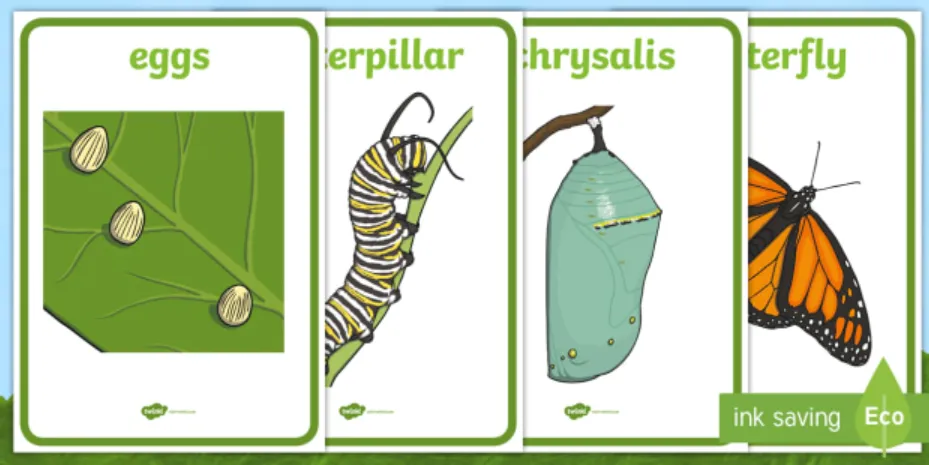
Also Read: monarch life cycle





Leave a Reply