
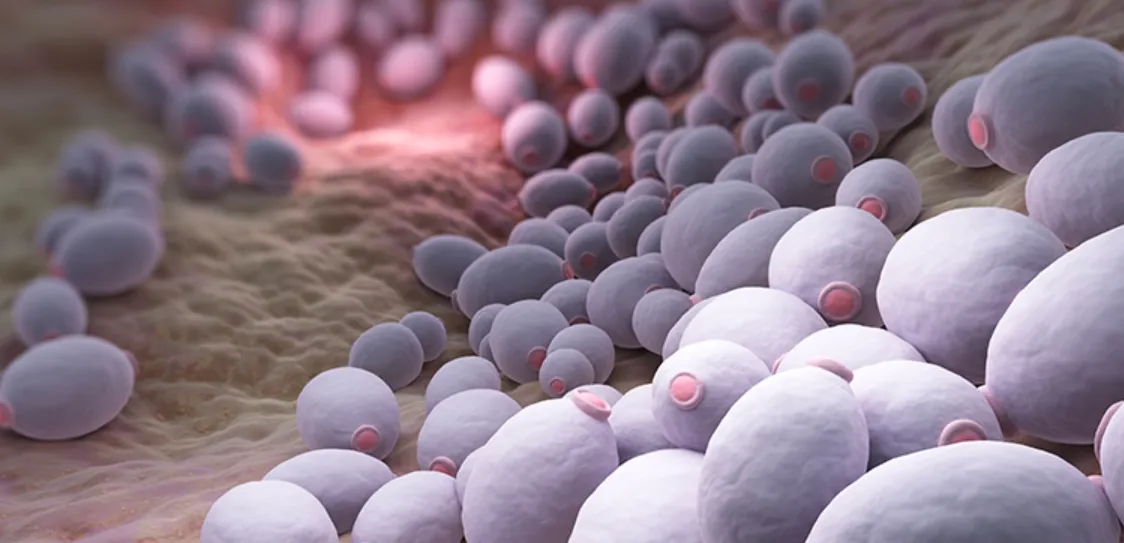
The life cycle of fungal organisms is one of the most important natural processes on Earth. Although many people think of fungi only as mushrooms, molds, or causes of fungal infections of the skin, fungi are actually a huge group of living organisms that include mushrooms, yeasts, molds, and microscopic species. They are neither plants nor animals. They belong to their own biological group called Kingdom Fungi.
Fungi grow through tiny thread-like structures called hyphae, which combine to form a network known as mycelium. This hidden network helps fungi absorb food, break down dead matter, recycle nutrients, and survive in many environments. Their life cycle usually begins with a spore, then proceeds to germination, hyphal growth, mycelium formation, reproduction, and spore release.
Fungi are also medically important. Some species cause fungal rash, fungal ear infection, athlete’s foot, ringworm, nail infections, and other health issues. Fungal diseases can affect humans, animals, plants, and crops, so understanding fungi is useful for health, agriculture, and environmental science.
Q: What is the life cycle of fungal organisms?
A: The fungal life cycle usually begins with a spore, followed by germination, hyphae growth, mycelium formation, reproduction, and release of new spores.
Q: Are all fungi harmful?
A: No. Most fungi are helpful. They decompose dead matter, improve soil fertility, support plant growth, and are used in food, medicine, and biotechnology.
Q: Can fungi cause infections in humans?
A: Yes. Some fungi can cause skin infections, fungal rashes, fungal ear infections, and deeper infections, especially in people with weak immune systems.
Quick Life Cycle Table
| Stage | What Happens | Importance |
| Spore Stage | Fungi release tiny reproductive cells called spores into the air, water, soil, or host surfaces. | Helps fungi spread to new places. |
| Germination | Under suitable moisture, temperature, and food conditions, spores begin to grow. | Starts the new fungal body. |
| Hyphae Formation | A thin tube-like structure called a hypha grows from the spore. | Helps absorb nutrients from the environment. |
| Mycelium Development | Many hyphae join together to form mycelium. | The main feeding and growing body of fungi. |
| Maturity | The fungus grows larger and becomes ready to reproduce. | Allows survival and expansion. |
| Reproduction | Fungi reproduce sexually or asexually. | Creates genetic diversity or quick multiplication. |
| Spore Release | New spores are released from fruiting bodies or microscopic structures. | Restarts the fungal life cycle. |
| Survival Phase | Some fungi remain dormant in harsh conditions. | Helps fungi survive drought, cold, heat, or lack of food. |
The History of Their Scientific Naming
The scientific naming of fungi has a long and interesting history. Earlier, fungi were often grouped with plants because they grow from the ground and do not move like animals. However, scientists later discovered that fungi are very different from plants. They do not make food through photosynthesis. Instead, they absorb nutrients from organic matter.
- The word fungus comes from Latin and was historically used to refer to mushrooms and similar growths.
- The scientific study of fungi is called mycology, a term linked to the Greek word mykes, meaning mushroom.
- Fungi were once studied under botany, but modern science places them in a separate kingdom: Kingdom Fungi.
- Scientific names follow the binomial system, using genus and species names, such as Agaricus bisporus for the common button mushroom.
- Modern fungal naming is complex because fungal taxonomy changes as DNA research reveals new relationships among species.
This naming system helps scientists, doctors, farmers, and researchers identify fungi correctly.
Their Evolution And Their Origin
The origin of fungi goes back deep into Earth’s history. Fungi are ancient eukaryotic organisms, meaning their cells contain a nucleus. They are more closely related to animals than plants, even though many fungi look plant-like. This is one reason fungi are placed in their own kingdom.
Early fungi likely lived in moist environments and slowly adapted to land. Their ability to break down organic material made them essential in early ecosystems. Before modern forests existed, fungi helped form soil by decomposing dead material and interacting with minerals.
Fossil evidence for fungi is difficult to find because fungal bodies are often soft and decay quickly. However, scientific evidence suggests that fungi were present hundreds of millions of years ago. They likely expanded around the same time early land plants became more common.
Fungi also evolved strong partnerships with plants. One of the most important relationships is mycorrhiza, in which fungi form associations with plant roots. The plant gives the fungus sugars, while the fungus helps the plant absorb water and minerals.
This evolutionary partnership changed life on land. Without fungi, early plants may have struggled to survive in poor soils. Today, fungi still support forests, crops, grasslands, and natural ecosystems.
Their evolution also explains why fungi are so adaptable. They can live in soil, water, air, dead wood, human skin, animal bodies, food, buildings, and extreme environments.
Their main food and its collection process
Fungi do not eat food like animals, and they do not make food like plants. Instead, they use an absorptive nutrition process. This means they release enzymes outside their bodies, break down complex materials, and absorb the dissolved nutrients.
Their main food sources include:
- Dead organic matter: Many fungi feed on dead leaves, wood, fruits, dead animals, and plant waste. These fungi are called saprophytic fungi.
- Living hosts: Some fungi feed on plants, animals, or humans. These are parasitic fungi that may cause disease.
- Plant sugars: Some fungi live in mutual relationships with plants and receive sugars from plant roots.
- Stored food: Molds can grow on bread, rice, fruits, vegetables, and other stored foods when moisture is available.
- Keratin-rich material: Some fungi grow on skin, hair, and nails because these contain keratin, a protein that certain fungi can use.
The food collection process begins when fungal hyphae spread through the food source. These hyphae release digestive enzymes into the surrounding material. The enzymes break large molecules such as cellulose, lignin, starch, and proteins into smaller substances.
Then the fungus absorbs these nutrients through its cell walls. This feeding method makes fungi powerful decomposers. It also explains why fungi grow well in damp, warm, nutrient-rich places.
Important Things That You Need To Know
Fungi are useful, but some can affect human health. Understanding common fungal problems helps people recognize risk early and avoid confusion.
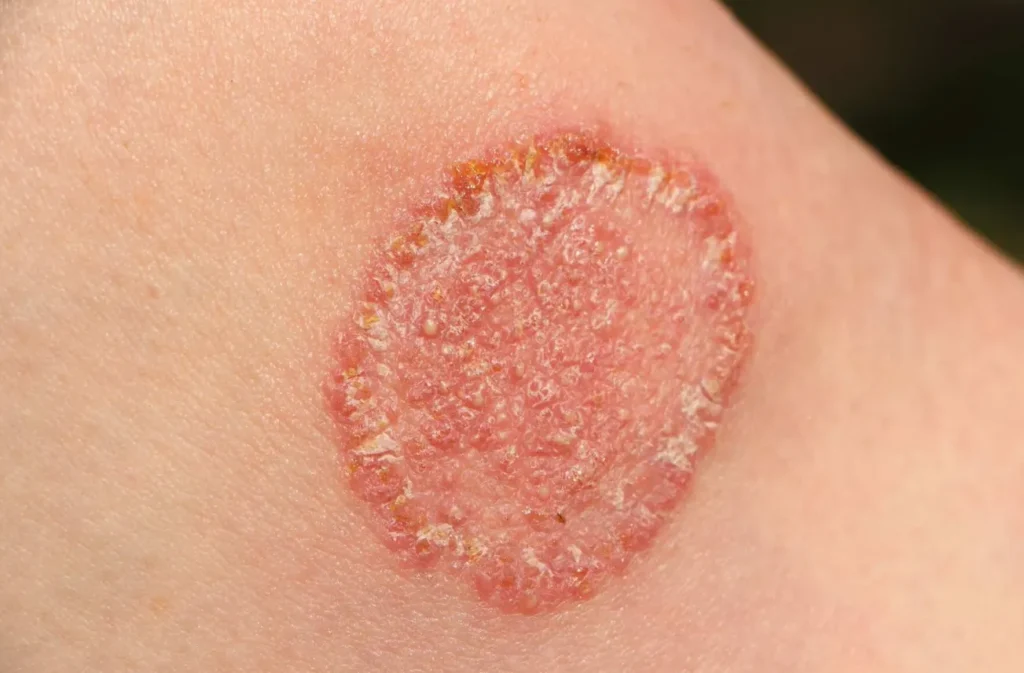
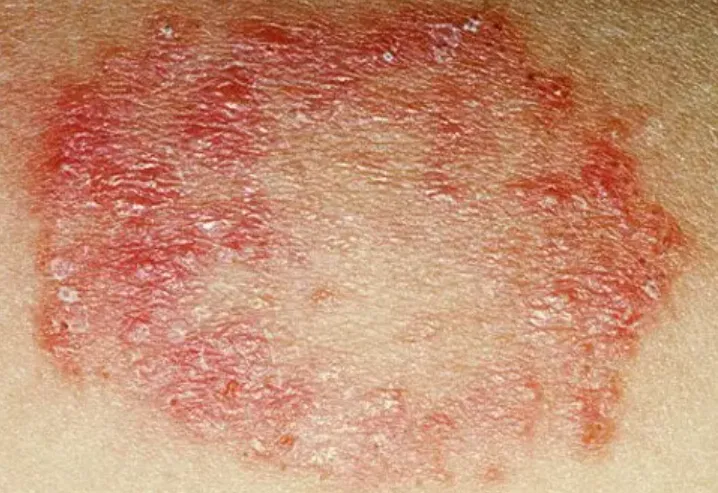
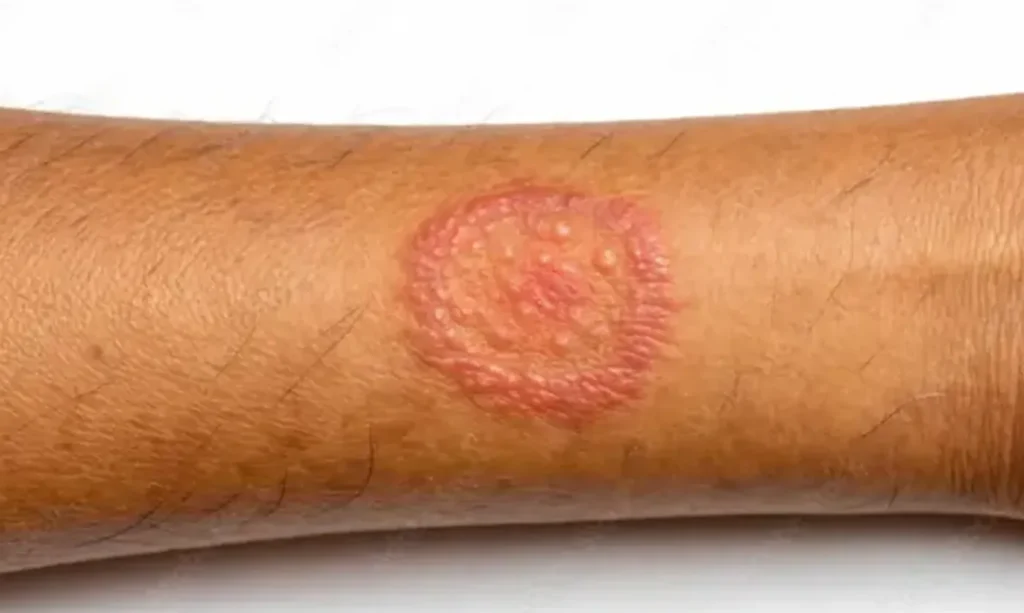
A fungal infection of the skin usually appears in warm, moist areas such as the feet, groin, armpits, or skin folds. It may cause itching, redness, scaling, cracking, or circular patches. A fungal rash can look similar to eczema, an allergy, or a bacterial infection, so proper diagnosis is important.
A fungal ear infection may happen when fungi grow in the outer ear canal. It can cause itching, discomfort, discharge, a blocked feeling, or hearing difficulty. People who swim often, use earbuds frequently, or have moisture trapped in the ear may be more vulnerable.
Many people search for pictures of fungal infections, but pictures alone are not enough for diagnosis. Different skin problems can look very similar. A doctor or trained health professional may use examination, history, and sometimes lab testing to confirm the cause.
Fungal acne treatment is another common topic. What people call fungal acne is often due to Malassezia folliculitis, which appears as small acne-like bumps. It may need antifungal treatment rather than regular acne products.
Common types of fungal infections include athlete’s foot, ringworm, jock itch, nail fungus, yeast infections, oral thrush, and some lung infections. Antifungal medicines may be topical, oral, or injectable, depending on the type and severity of the infection. Antibiotics do not treat fungal infections and may sometimes increase the risk of fungal infections.
Their life cycle and ability to survive in nature
Spore production and spreading
The fungal life cycle begins with spores. These spores are tiny, lightweight, and highly resistant. They may spread through air, water, soil, insects, animals, or direct contact. This helps fungi reach new habitats quickly.
Germination and growth
When a spore lands in a suitable place with moisture, oxygen, temperature, and nutrients, it begins to germinate. A small tube called a germ tube appears and develops into hyphae.
Mycelium formation
The hyphae continue growing and branching. Together, they form mycelium, the main body of the fungus. In mushrooms, most of the organism is actually hidden underground or inside wood as mycelium.
Survival in harsh conditions
Fungi are excellent survivors. Some spores remain dormant for long periods until conditions improve. Others survive as resistant structures in soil, plant tissue, or host bodies.
Adaptation in nature
Fungi can survive in forests, deserts, wetlands, farms, homes, food storage areas, and human skin. Their ability to reproduce quickly, absorb nutrients efficiently, and remain dormant helps them continue their life cycle even in difficult environments.
Their Reproductive Process and raising their children
Fungi do not raise children like animals. Instead, they produce offspring through spores, budding, fragmentation, or sexual reproduction. Their “young” are new fungal cells or spores that grow independently when conditions are suitable.
- Asexual reproduction: This is the fastest method. A fungus produces spores without needing another partner. These spores are usually genetically similar to the parent.
- Sexual reproduction: This involves the fusion of compatible fungal cells or nuclei. It creates genetic variation, which helps fungi adapt to changing environments.
- Budding: Yeasts often reproduce by budding. A small new cell grows from the parent cell and then separates.
- Fragmentation: Pieces of hyphae can break off and grow into new fungal colonies.
- Fruiting body formation: In mushrooms, the visible mushroom is the reproductive structure. It produces and releases spores.
Fungi do not protect their spores after release. Instead, they produce many spores at once. This increases the chance that at least some spores will land in a suitable environment and begin a new life cycle.
The importance of them in this Ecosystem
Natural decomposers
Fungi are among the most important decomposers in nature. They break down dead plants, dead animals, fallen leaves, and wood. Without fungi, dead organic matter would accumulate, and nutrients would remain locked inside waste materials.
Soil fertility
By decomposing organic matter, fungi release nutrients, such as nitrogen, phosphorus, and minerals, back into the soil. This improves soil quality and supports plant growth.
Plant support
Many fungi form mycorrhizal relationships with plant roots. These fungi help plants absorb water and nutrients, while plants provide sugars to fungi. This relationship supports forests, crops, and grasslands.
Food chain balance
Fungi serve as food for insects, animals, microbes, and humans. Many species eat mushrooms and are also used in human diets.
Medicine and industry
Fungi are used to produce antibiotics, enzymes, fermented foods such as bread and cheese, soy sauce, and other useful products. Yeast is essential in baking and fermentation.
Disease control and ecological balance
Some fungi control insect populations naturally. Others compete with harmful organisms and help maintain ecological balance. However, some fungi can become pathogens when environmental conditions favor disease.
What to do to protect them in nature and save the system for the future
Fungi are essential for ecosystem balance, so protecting them means protecting forests, soil, agriculture, and biodiversity.
- Protect natural forests: Forests contain rich fungal networks that support trees and soil life. Cutting forests destroys fungal habitats.
- Avoid excessive chemical use: Pesticide and fungicide applications can harm beneficial soil fungi. Use chemicals only when necessary and follow proper guidelines.
- Support organic matter in soil: Compost, leaf litter, and plant residues help beneficial fungi grow and recycle nutrients.
- Reduce soil disturbance: Excessive digging, deep plowing, and construction can damage underground mycelium networks.
- Protect wetlands and old trees: Dead wood, wetlands, and old trees provide important habitats for many fungal species.
- Avoid unnecessary removal of mushrooms: Many mushrooms are reproductive structures. Removing them too often can disturb natural spore dispersal.
- Improve public awareness: People often fear all fungi, but most fungi are useful. Education can help communities understand their ecological value.
- Control pollution: Air, water, and soil pollution can damage fungal diversity and reduce ecosystem health.
- Support fungal research: More research is needed to understand fungal biodiversity, fungal diseases, and antifungal resistance.
- Practice safe health habits: Protecting nature does not mean ignoring harmful fungi. Keep skin clean and dry, avoid sharing personal items, and seek medical advice for persistent fungal symptoms.
Frequently Asked Questions (FAQs)
Q1: What is the life cycle of fungal organisms?
A: The fungal life cycle includes spore formation, germination, hyphae growth, mycelium development, reproduction, and release of new spores.
Q2: What is the first stage of the fungal life cycle?
A: The first stage is usually the spore stage. Spores spread through air, water, soil, or contact and begin growing when conditions are favorable.
Q3: What helps fungi survive in nature?
A: Fungi survive through resistant spores, fast reproduction, hidden mycelium, flexible feeding methods, and the ability to remain dormant during harsh conditions.
Q4: What are common types of fungal infections?
A: Common types of fungal infections include athlete’s foot, ringworm, jock itch, nail fungus, yeast infection, oral thrush, and some lung infections.
Q5: What does a fungal infection on the skin look like?
A: A fungal infection on the skin may appear as red, itchy, scaly, circular, cracked, or peeling patches. However, symptoms vary, so medical confirmation is best.
Q6: Is fungal acne the same as normal acne?
A: No. Fungal acne is commonly linked with yeast overgrowth around hair follicles. It may look like acne, but it often requires antifungal treatment rather than regular acne treatment.
Q7: Can a fungal ear infection be serious?
A: A fungal ear infection can cause itching, pain, discharge, a blocked feeling, or hearing issues. It should be checked by a healthcare professional, especially if symptoms continue.
Q8: Are fungi good or bad for the environment?
A: Most fungi are good for the environment. They recycle nutrients, improve soil, support plants, and maintain ecosystem balance. Only some fungi cause disease.
Conclusion
The life cycle of fungal organisms shows how powerful and adaptable fungi are. From tiny spores to large mycelium networks and visible mushrooms, fungi play a major role in nature. They reproduce quickly, survive harsh conditions, and recycle nutrients that support plants, animals, and humans.
Fungi are not only decomposers; they are ecosystem builders. They improve soil fertility, support forests, create plant partnerships, and contribute to food, medicine, and biotechnology. At the same time, some fungi can cause health problems such as fungal rashes, fungal ear infections, and skin infections, so awareness is important.
Understanding fungi helps us protect biodiversity, manage infections responsibly, and appreciate one of the most essential groups of life on Earth. A healthy future for ecosystems depends on protecting soil, forests, and the hidden fungal networks that sustain life.
Also Read: lady beetle life cycle







Leave a Reply