
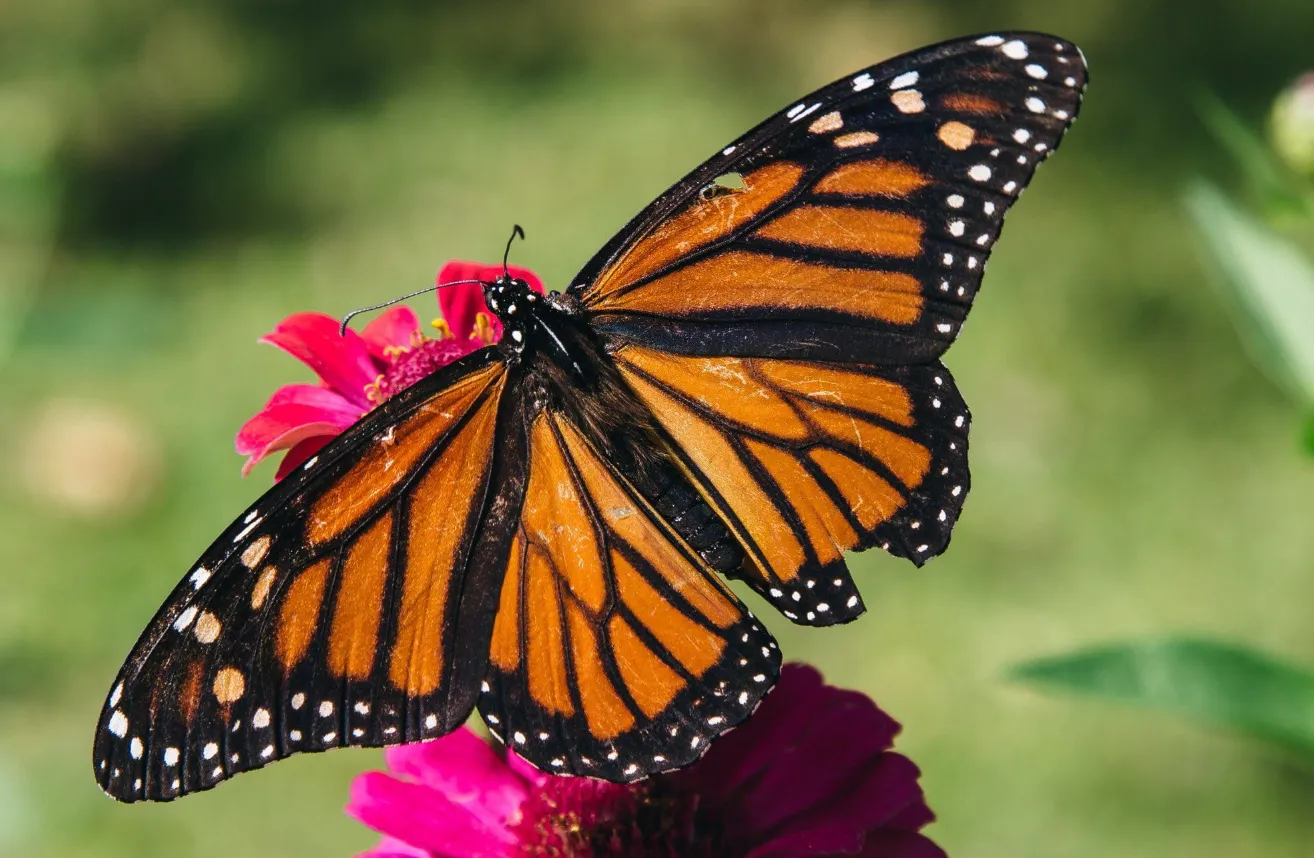
The monarch butterfly, scientifically known as Danaus plexippus, is one of the most iconic species in the insect world. Renowned for its striking orange and black wings and its long migration journey, this butterfly is often the subject of fascination for nature lovers, scientists, and even tattoo enthusiasts. But what truly sets the monarch apart is its life cycle, which includes incredible transformations and survival tactics.
Quick Answers:
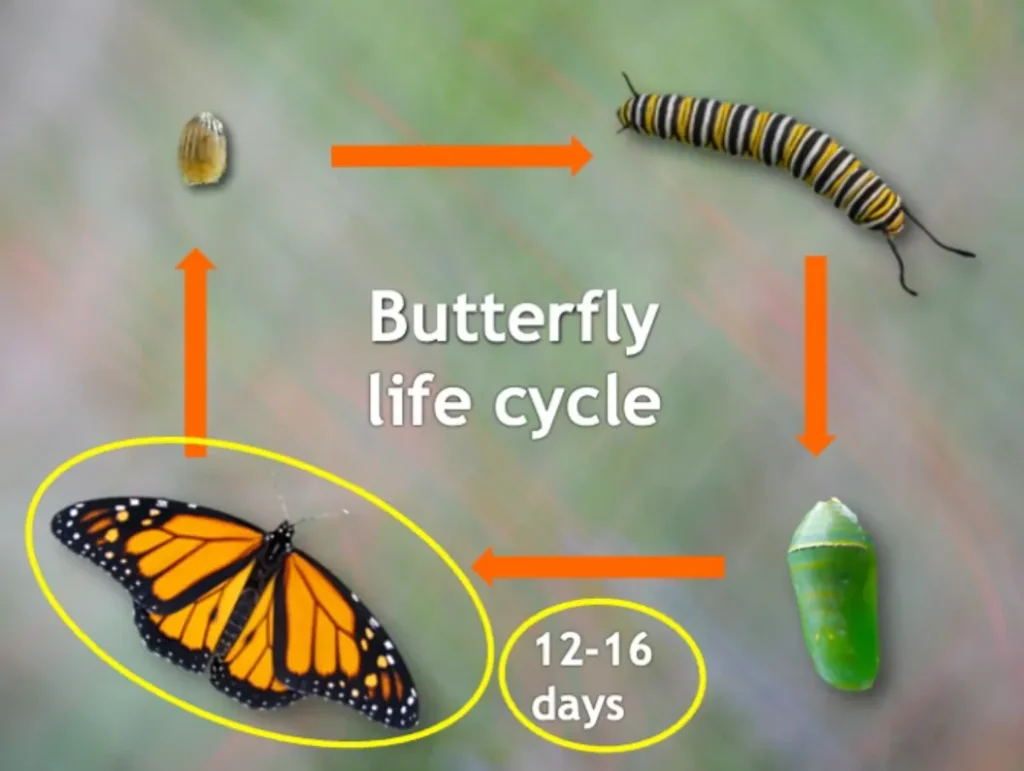
- How long does the life cycle of a monarch butterfly last? The monarch butterfly’s life cycle lasts about 10 days to 1 month, depending on the stage, and it includes four main stages: egg, larva (caterpillar), pupa (chrysalis), and adult butterfly.
- What do monarch butterflies eat? Monarchs primarily feed on nectar from various flowers, but their larvae feed exclusively on milkweed, which is essential for their growth.
- Where do monarch butterflies migrate? Monarch butterflies are known for migrating from Canada and the northern United States to central Mexico for the winter, covering thousands of miles.
Quick Life Cycle Table
| Stage | Duration | Description |
| Egg | 3-5 days | The monarch egg is tiny and usually laid on the underside of a milkweed leaf. |
| Larva (Caterpillar) | 10-14 days | The caterpillar hatches and feeds on milkweed leaves, growing rapidly. |
| Pupa (Chrysalis) | 10-14 days | The caterpillar forms a chrysalis and undergoes metamorphosis into a butterfly. |
| Adult Butterfly | 2-6 weeks | The butterfly emerges and begins its journey to reproduce or migrate, depending on the season. |
The History Of Their Scientific Naming
The monarch butterfly was first described by Carl Linnaeus, the famous Swedish biologist, in 1758. The species name Danaus plexippus derives from the genus Danaus, named after the mythical figure Danaus, King of Argos, and plexippus, from the Greek word meaning “twisted,” a reference to the butterfly’s intricate wing patterns. Over time, the monarch butterfly has gained global recognition for its distinctive appearance and migratory behavior, becoming a symbol of resilience and transformation in many cultures.
Their Evolution And Their Origin
Monarch butterflies belong to the family Nymphalidae and have evolved over millions of years to adapt to various environmental challenges. Their ancestors likely originated in Central America and, over time, spread to North America and beyond. Monarchs are known for their unique ability to migrate long distances, a trait that has evolved as a survival mechanism. This migration allows them to avoid the harsh winter conditions in the northern regions and ensures the survival of the species.
Their evolution also includes their striking appearance, which has evolved as a defense mechanism. The bright orange coloration of their wings serves as a warning to predators that they are toxic, a trait inherited from their exclusive diet of milkweed during the larval stage. Milkweed contains toxins that the caterpillar absorbs, making the butterfly unpalatable and potentially harmful to predators. This evolutionary trait helps the monarch avoid being preyed upon by birds and other predators.
The monarch’s ability to navigate such long distances has sparked interest in studies related to animal migration, genetics, and behavior. Their migration paths are one of the most remarkable natural phenomena, showcasing their adaptability and resilience in the face of environmental challenges.
Their Main Food and Its Collection Process
Monarch butterflies, both in their caterpillar and adult stages, rely heavily on the milkweed plant for sustenance.
- Larvae (Caterpillars): Monarch larvae are herbivores that feed exclusively on milkweed leaves. The process begins when a female butterfly lays her eggs on the underside of a milkweed leaf. Upon hatching, the caterpillar starts munching on the leaves. This diet provides the caterpillar with the toxins it needs to protect itself from predators. Milkweed is abundant in nutrients, which support rapid growth and transformation.
- Adults: Once the caterpillar becomes a butterfly, its diet changes to nectar from various flowering plants. Monarchs are particularly attracted to bright-colored flowers, such as those of the aster family, goldenrod, and sunflowers. The butterfly feeds by using its proboscis to suck up nectar, which is rich in sugars and essential for energy during their long migratory journeys.
The collection of nectar involves the butterfly’s remarkable ability to fly from flower to flower, using its wings not only for movement but also for thermoregulation. The nectar provides the butterfly with the necessary energy to sustain itself during its migration, while the milkweed is critical to the survival of the larvae.
Their Life Cycle and Ability to Survive in Nature
Life Cycle Stages and Survival Mechanisms
The monarch butterfly’s life cycle is a complex and fascinating process that includes significant transformations.
- Egg Stage: Monarchs begin life as tiny eggs, typically laid on milkweed plants. These eggs are highly susceptible to environmental conditions, and the survival rate is often low. However, they are protected by the leaf’s underside, which shields them from harsh sunlight and predators.
- Larval Stage (Caterpillar): Upon hatching, the caterpillar feeds on milkweed leaves, growing rapidly. During this stage, monarchs rely heavily on the toxins they ingest from the milkweed to protect themselves from predators. Birds that attempt to eat a monarch caterpillar quickly learn to avoid them due to their toxic properties.
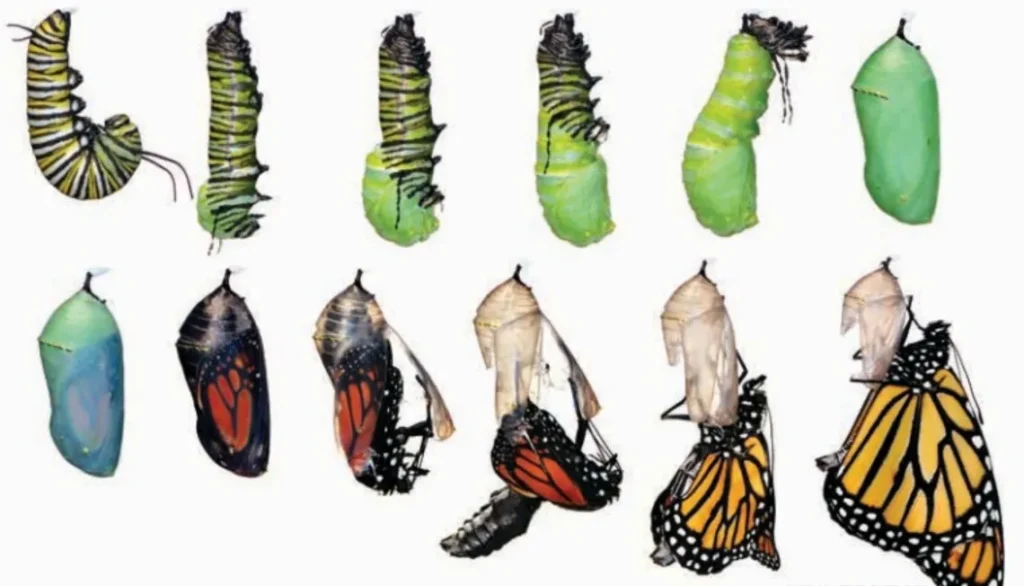
- Pupal Stage: Once the caterpillar is ready to pupate, it forms a chrysalis, where it undergoes metamorphosis. This stage is crucial for the butterfly’s development into an adult. The transformation inside the chrysalis takes about 10-14 days, and the monarch is vulnerable to external factors such as weather and predators.
- Adult Butterfly: The adult butterfly emerges from the chrysalis and begins its journey to mate or migrate, depending on the season. Monarchs rely on various environmental cues to determine when to migrate, and their ability to navigate thousands of miles showcases their survival instincts and evolutionary adaptation.

Their Reproductive Process and Raising Their Children
Monarch butterflies follow a distinct reproductive process:
- Mating: During the adult stage, male monarchs search for females to mate with. This usually occurs in spring and summer, leading to egg-laying on milkweed plants. The female chooses leaves that provide the best food sources for her offspring.
- Egg Laying: The female lays her eggs on the underside of milkweed leaves, ensuring that the hatchlings will have immediate access to food. This is a crucial part of the process, as the survival of the larvae depends on their ability to access nutritious milkweed.
- Caterpillar to Chrysalis: After hatching, the caterpillars feed on milkweed leaves for 10-14 days. They undergo several molts before pupating. During pupation, the caterpillar forms a chrysalis and undergoes metamorphosis.
The process is delicate and requires optimal conditions. Monarchs’ reproductive cycle is linked to seasonal changes, and the availability of milkweed is critical to the survival of the next generation.
Importance of Them in This Ecosystem
Monarch butterflies play a vital role in the ecosystem by pollinating plants. As they feed on nectar from various flowers, they inadvertently transfer pollen from one bloom to another, aiding in plant reproduction. This process is crucial for maintaining plant biodiversity and ensuring the production of fruits and seeds.
Monarchs also serve as prey for various predators in their different life stages. Birds, small mammals, and other insects rely on monarchs for sustenance, helping maintain balance in the food web.
Furthermore, monarch butterfly migration has become a fascinating natural phenomenon that captivates people worldwide. Their migration patterns serve as indicators of environmental health, as changes in their migratory behavior can signal shifts in climate and ecosystems.
What to Do to Protect Them in Nature and Save the System for the Future
To protect monarch butterflies and ensure their survival, we must take action to preserve their habitats and food sources. Here are some steps you can take:
- Plant Milkweed: Since monarch caterpillars rely exclusively on milkweed, planting more of these plants in your garden can provide crucial support for the larvae.
- Avoid Pesticides: Pesticides harm monarch populations by killing milkweed plants and poisoning caterpillars. Choose organic gardening methods whenever possible.
- Support Conservation Efforts: Participate in or donate to organizations that protect monarch habitats and advocate for policies that conserve their migratory routes.
- Educate Others: Raise awareness of the importance of monarchs and their life cycle to inspire others to take action.
- Create Monarch Habitats: Create butterfly-friendly gardens with a variety of nectar-rich plants to provide monarchs with the resources they need.
By taking these actions, we can help secure a future for monarch butterflies and ensure the health of our ecosystems.
Frequently Asked Questions (FAQs)
- How long does the monarch butterfly live? Monarch butterflies typically live for 2 to 6 weeks, depending on the season and their role in the lifecycle (adult butterfly).
- What do monarch butterflies eat in the wild? Monarchs feed on nectar from a variety of flowers, with their larvae feeding exclusively on milkweed.
- Where do monarch butterflies migrate to? Monarch butterflies migrate from North America to central Mexico for the winter.
- How can I attract monarch butterflies to my garden? Plant milkweed and nectar-rich flowers to attract monarchs and provide sustenance for the larvae.
- What is the main threat to monarch butterflies? Habitat loss, pesticide use, and climate change are the primary threats to monarch butterfly populations.
- How do monarch butterflies communicate? Monarchs use visual signals such as their colorful wings and scent markers to communicate, especially during mating.
- Can monarch butterflies be kept as pets? While it is possible to raise monarchs in captivity, they should be released into the wild to support their natural life cycle.
- Why are monarch butterflies important? Monarchs are essential for pollination and serve as indicators of environmental health.
Conclusion
The life cycle of the monarch butterfly is one of nature’s most extraordinary feats, encompassing various stages of transformation, survival, and migration. These butterflies are crucial to our ecosystems, playing a vital role in pollination and serving as an indicator of environmental health. By protecting their habitats and supporting conservation efforts, we can ensure that future generations will continue to witness the beauty and resilience of these remarkable creatures.
Also Read: life cycle of head lice












Leave a Reply