
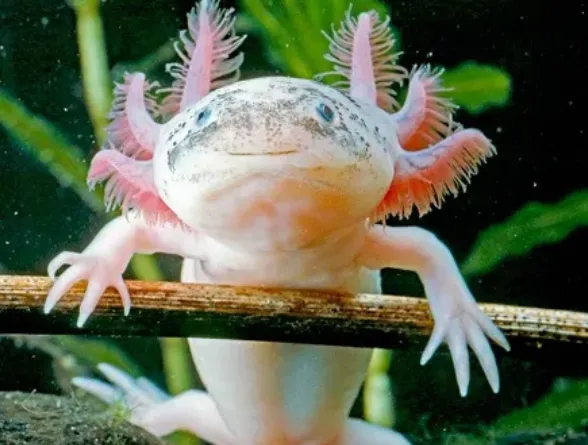
Axolotls, often called “Mexican walking fish,” are fascinating aquatic creatures native to lakes near Mexico City. Renowned for their ability to regenerate limbs, axolotls have attracted attention not just for their unique biology but also for their popularity as pets. These aquatic salamanders have a life cycle that is strikingly different from that of other amphibians, making them an excellent subject for research and curiosity.
Quick Answers to Common Questions:
- How long do axolotls live?
- Axolotls typically live 10-15 years in captivity, but with proper care, some can live up to 20 years.
- What do axolotls eat?
- Axolotls are carnivorous and primarily eat worms, small fish, and other aquatic creatures.
- Are axolotls endangered?
- Yes, axolotls are critically endangered in the wild due to habitat loss, pollution, and invasive species.
Quick Life Cycle Table
| Life Stage | Age Range | Key Characteristics |
| Egg | 2-3 weeks | Transparent eggs are laid in clusters, turning dark as they develop. |
| Larvae | 3-4 weeks | Begin to develop external gills and resemble baby salamanders. |
| Juvenile | 3-6 months | Axolotls start to resemble adults, grow limbs, and become more independent. |
| Adult | 1-2 years | Fully developed axolotls that are capable of reproduction. |
The History of Their Scientific Naming
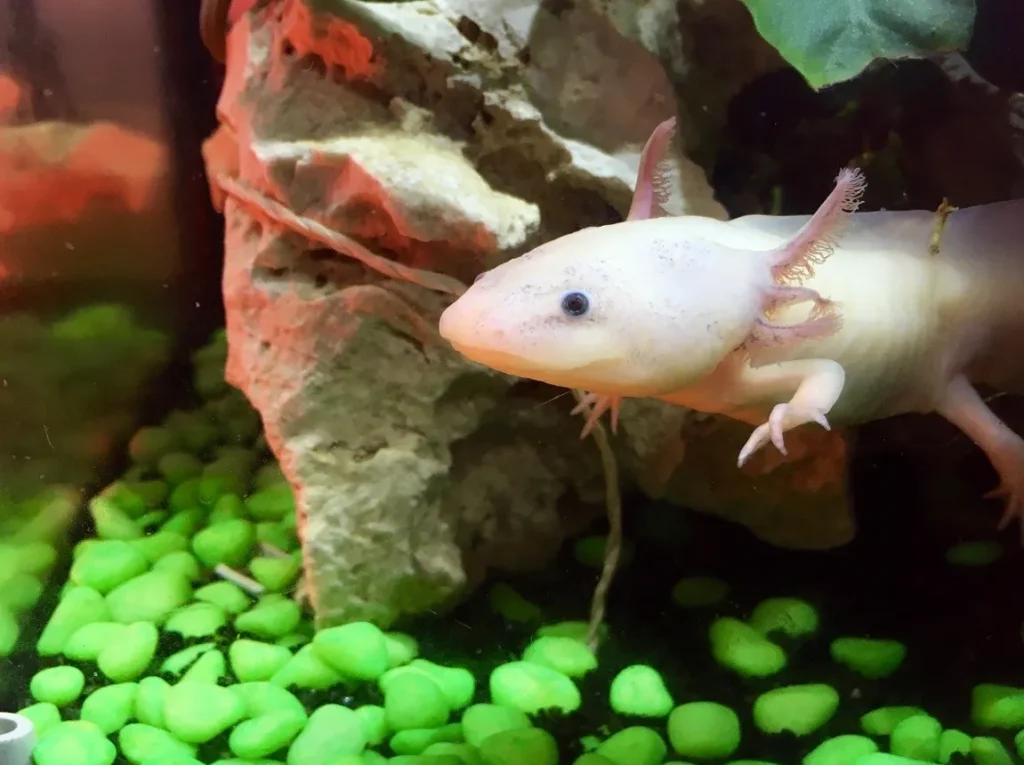
The scientific name of the axolotl, Ambystoma mexicanum, dates back to the 19th century. “Ambystoma” comes from the Greek word meaning “blind,” referring to the axolotl’s use of its keen sense of smell rather than vision for navigation. The name “mexicanum” points to the axolotl’s native habitat in Mexico. This amphibian was first described by scientists during the early studies of amphibian life in North America. Over time, it has become a subject of research, particularly in regenerative biology, due to its remarkable ability to regenerate limbs, spinal cord, and even parts of its heart and brain.
Their Evolution And Their Origin
Axolotls are a part of the Ambystoma genus, which belongs to the family Ambystomatidae. These creatures have undergone millions of years of evolution to become the fascinating organisms they are today. Native to the Xochimilco Lake complex in Mexico City, axolotls are believed to have evolved from their ancestor species, the Ambystoma tigrinum, or tiger salamander, which underwent evolutionary changes that enabled it to adopt an aquatic lifestyle.
An intriguing aspect of their evolution is neoteny—the retention of juvenile features into adulthood. Unlike most amphibians that undergo metamorphosis and become terrestrial as adults, axolotls remain aquatic throughout their lives, a trait that sets them apart from other salamanders. This evolutionary trait has allowed them to thrive in their native lakes but has also made them highly vulnerable to environmental changes such as pollution and habitat destruction.
Axolotls are believed to have evolved in response to the unique conditions of the high-altitude lakes where they reside. The cold, high-altitude environment promotes their aquatic, neotenic form, in which they retain external gills and live in water throughout their life cycle. Unfortunately, this specialized evolutionary trait has also contributed to their endangered status, as their habitats have been greatly reduced by urbanization and water pollution in Mexico.
Their Main Food and Its Collection Process
Axolotls are carnivores, feeding primarily on small prey found in their aquatic environments. They have a wide-ranging diet that includes worms, small fish, shrimp, and various aquatic invertebrates. The collection of their food in the wild usually involves hunting on the lake floor, where they use their sensitive external gills and keen sense of smell to detect prey.
- Worms: Earthworms are a staple in axolotl diets. They actively hunt and eat these worms from the lakebed.
- Small Fish and Amphibians: In their natural habitat, axolotls hunt smaller fish and even other amphibians.
- Invertebrates: Axolotls are opportunistic feeders, consuming aquatic insects, crustaceans, and other invertebrates when available.
In captivity, axolotls are often fed a diet of specially formulated pellets, supplemented with worms, fish, and shrimp to mimic their natural diet as closely as possible.
Their Life Cycle and Ability to Survive in Nature
Life Cycle and Natural Survival
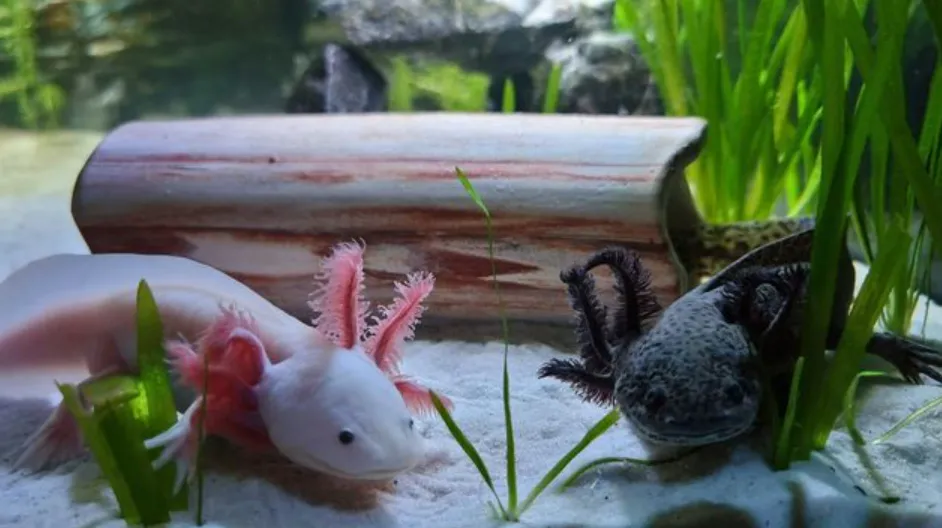
Axolotls have a unique life cycle compared to other amphibians. They are best known for retaining larval features throughout adulthood, a phenomenon called neoteny. This means they do not undergo the typical metamorphosis from aquatic larvae to terrestrial adults. Instead, axolotls remain aquatic, retaining their external gills and living underwater throughout their lives.
Survival in the wild has become increasingly difficult for axolotls, largely due to habitat loss and pollution. Despite this, they have adapted to thrive in the cold, shallow waters of Mexican lakes. Their primary means of survival are their regenerative abilities, which allow them to grow back lost limbs, parts of their spinal cord, and even their heart. This ability provides them with a natural advantage over other species, as they can recover from injuries that would be fatal to most other animals.
Their Reproductive Process and Raising Their Children
Axolotls reproduce through external fertilization. During mating, the male axolotl deposits a spermatophore, which the female then ingests through her cloaca. The fertilized eggs develop outside the mother’s body, in the water.
- Eggs: The female axolotl lays her eggs in clusters, often attaching them to plants or submerged objects.
- Hatching: After about two weeks, the eggs hatch into larvae, which closely resemble small, fully formed axolotls.
- Development: The larvae develop external gills and begin feeding on small organisms in the water, eventually transforming into juvenile axolotls.
The raising of their young is a self-sustaining process in the wild, as the larvae are left to grow independently after hatching. In captivity, however, axolotl owners may need to provide a controlled environment to ensure the young survive and develop properly.
Importance of Them in This Ecosystem
Axolotls in the Ecosystem
Axolotls play a crucial role in their ecosystem by helping maintain the balance of small aquatic life. As carnivores, they regulate the populations of invertebrates and small fish, preventing overpopulation and resource depletion. This makes them an essential part of the food chain in their native habitat.
Moreover, axolotls are considered an indicator species, meaning that their health reflects the overall condition of their environment. Their susceptibility to environmental changes, such as water pollution, makes them a valuable tool for scientists studying ecosystem health and the effects of urbanization and climate change on wildlife.
What to Do to Protect Them in Nature and Save the System for the Future
Actions for Conservation
To ensure the survival of axolotls in the wild and protect their habitats, it is essential to:
- Preserve natural habitats: Protect the lakes and wetlands where axolotls live from pollution and urbanization.
- Control invasive species: Remove those that threaten axolotl populations.
- Promote captive breeding: Support captive breeding programs to ensure axolotl survival in controlled environments.
- Raise awareness: Educate the public about the importance of axolotls and the threats they face in the wild.
Frequently Asked Questions (FAQs)
- Can axolotls live in freshwater?
- Yes, axolotls thrive in freshwater environments and require clean, cool water to survive.
- What is the lifespan of an axolotl?
- In captivity, axolotls can live up to 15 years, with some reaching 20 years with proper care.
- How do axolotls regenerate their limbs?
- Axolotls have the remarkable ability to regenerate limbs, spinal cord, and even parts of their brain, a process that has intrigued scientists for years.
- Do axolotls require special care as pets?
- Yes, axolotls require a specific tank setup with cool, clean water and a diet rich in protein.
- Are axolotls endangered?
- Yes, axolotls are critically endangered due to habitat loss and pollution in their native environment.
- Can axolotls live with other species?
- While axolotls are generally peaceful, they may not do well with species that could stress them or compete for food.
- What do axolotls eat in the wild?
- Axolotls are carnivorous and feed on worms, small fish, and invertebrates in their native lakes.
- How can I help protect axolotls?
- Supporting conservation efforts and protecting their natural habitat are the best ways to help protect axolotls.
Conclusion
Axolotls are unique creatures with fascinating regenerative abilities and a life cycle that sets them apart from most amphibians. Their role in their ecosystem is invaluable, and their survival depends on our commitment to preserving their natural habitats and promoting conservation efforts.
As one of the most remarkable species on Earth, axolotls deserve our attention and protection to ensure that future generations can witness their extraordinary life cycle.
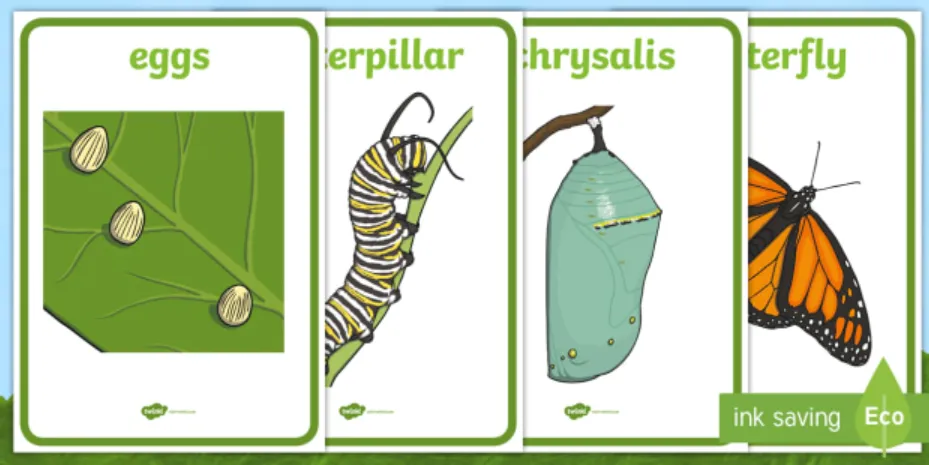
Also Read: butterfly life cycle for kids





Leave a Reply