
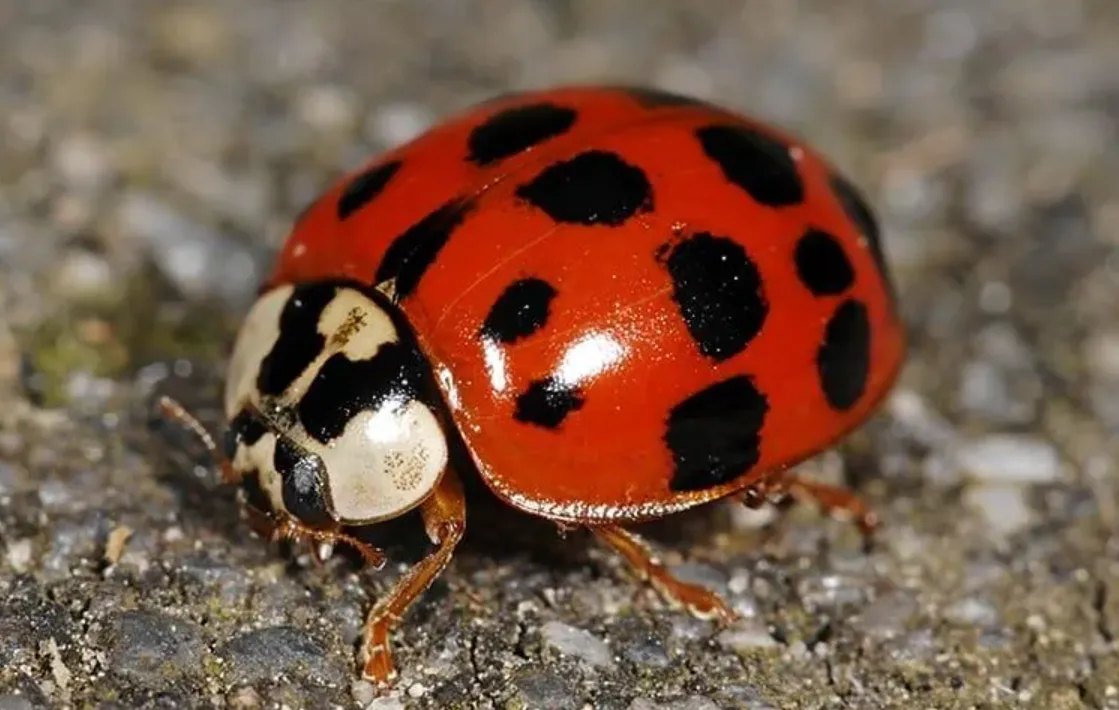
Lady beetles, commonly known as ladybugs, are fascinating insects that play a vital role in maintaining a healthy ecosystem. These small creatures, with their iconic red-and-black-spotted bodies, are more than just charming additions to gardens; they are natural predators of pests like aphids, making them invaluable to gardeners and farmers alike. However, despite their ubiquity, many people are unaware of the lady beetle’s life cycle, history, and importance in the ecosystem.
Here are three quick answers to some of the most commonly asked questions about lady beetles:
- What is the life cycle of a lady beetle?
- The life cycle of a lady beetle consists of four main stages: egg, larva, pupa, and adult. The entire cycle typically lasts from a few weeks to several months, depending on environmental conditions.
- What is the difference between an Asian lady beetle and a ladybug?
- The main difference lies in their appearance and behavior. Asian lady beetles have a broader color range and are often more aggressive, particularly during winter months, when they tend to invade homes in large numbers.
- Are lady beetles beneficial to gardens?
- Yes, lady beetles are extremely beneficial to gardens. Their primary diet consists of aphids and other harmful pests, making them a natural and effective pest control method.
Quick Life Cycle Table
| Stage | Duration | Description |
| Egg | 2-7 days | Eggs are laid on the undersides of leaves, usually in clusters. |
| Larva | 2-3 weeks | Larvae are voracious eaters, consuming large quantities of aphids. |
| Pupa | 5-7 days | The pupal stage involves the transformation of the larva into an adult beetle. |
| Adult | 1-2 years (depending on food availability) | Adults are capable of flying, mating, and laying eggs. They continue feeding on pests. |
The History of Their Scientific Naming
Lady beetles belong to the family Coccinellidae, derived from the Latin word coccineus, meaning “scarlet” – a nod to the red color of many species. The term “ladybug” is thought to have originated in medieval Europe, where people believed the Virgin Mary sent these beetles to protect crops. In North America, the term “lady beetle” is more commonly used.
Over the centuries, scientists have classified these beetles into different species, with Coccinella septempunctata (the seven-spotted lady beetle) among the most well-known. Their role in pest control was discovered centuries ago, and they continue to be studied for their ecological benefits.
Their Evolution and Their Origin
Lady beetles have been around for millions of years, evolving from early predatory beetles. Fossil evidence indicates that these insects have undergone several evolutionary stages, adapting to diverse ecological niches. The earliest known ancestors of lady beetles date back to the Cretaceous period, over 100 million years ago, when they first appeared alongside flowering plants.
The first lady beetles were small, dark-colored insects that likely fed on smaller prey. Over time, as plants evolved and insects adapted to their environments, lady beetles developed bright colors, which served as a warning to predators of their toxicity or bad taste. These colorful patterns serve as a defense mechanism against predators, signaling that the beetles are not easy prey.
The modern-day lady beetles belong to the family Coccinellidae, with over 5,000 species worldwide. The vast diversity in species shows how adaptable and resilient these insects are. From tropical rainforests to temperate gardens, lady beetles have spread across the globe, and some species, such as the Asian lady beetle, have become invasive outside their native habitats, especially in North America.
Their Main Food and Its Collection Process
Lady beetles are known for their appetite for aphids, small sap-sucking insects that infest plants. However, their diet is not limited to aphids alone. Lady beetles also feed on other soft-bodied insects, such as scale insects, mealybugs, and insect eggs. Here’s how they collect their food:
- Hunting Method: Lady beetles are active hunters, often searching for aphids and other pests on plants. They can consume up to 50 aphids a day in their larval stage.
- Feeding in Groups: Lady beetles tend to gather in groups, especially when aphid populations are abundant. This cooperative feeding behavior ensures that they can sustain themselves.
- Larval Diet: Lady beetle larvae are also voracious predators. Their ability to hunt aphids in their larval stage is crucial for controlling pest populations early in the season.
Lady beetles use their sharp mandibles to grab and consume aphids and other pests. This makes them a natural and effective pest control agent in gardens and crops.
Their Life Cycle and Ability to Survive in Nature
Lady Beetle Life Cycle and Survival in Nature
Lady beetles exhibit a remarkable life cycle that enables them to thrive across diverse environments. The cycle begins with the egg stage, where a female lays clusters of eggs on the undersides of leaves, usually near an aphid colony. These eggs hatch into larvae, which are highly effective predators. As they grow, they molt several times, eventually pupating and emerging as adults.
The adult beetles can survive in a wide range of environments, from temperate forests to urban gardens. They overwinter in sheltered areas, such as under tree bark, rocks, or inside buildings. In spring, they emerge to resume their quest for food, often migrating to areas with high aphid populations. Their adaptability and ability to find shelter make them resilient in the face of changing environmental conditions.
Their Reproductive Process and Raising Their Children
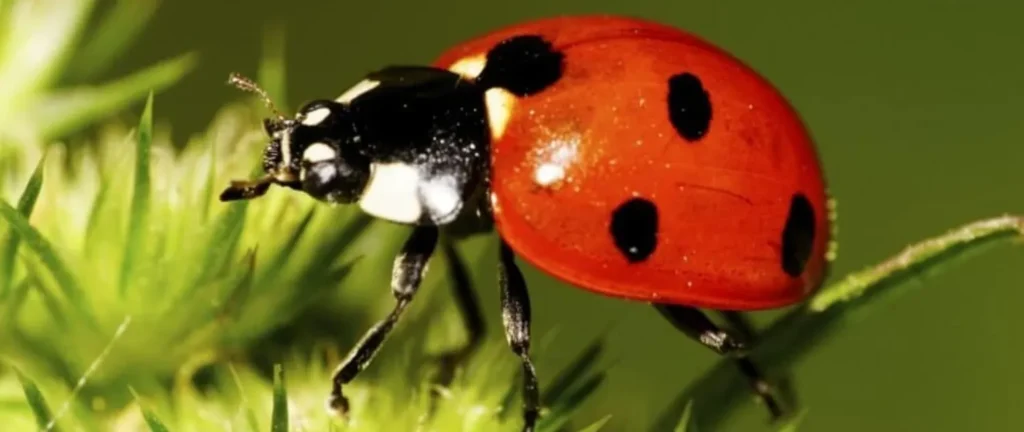
Lady beetles reproduce by laying eggs on plants that host aphids, ensuring a steady supply of food for their offspring. Here’s an overview of their reproductive process:
- Mating: Female lady beetles mate with males, and the female lays clusters of eggs on plants infested with aphids.
- Eggs: The eggs hatch into larvae after a few days. These larvae are the most voracious stage of the lady beetle’s life cycle, consuming aphids at an astounding rate.
- Parental Care: Unlike some other insects, lady beetles do not provide parental care after laying their eggs. The larvae are independent and begin feeding immediately after hatching.
This efficient reproductive process ensures the survival of the next generation, with each new batch of larvae contributing to pest control.
Importance of Lady Beetles in the Ecosystem
Lady Beetles: Nature’s Pest Control Agents
Lady beetles play an essential role in the ecosystem by acting as natural pest control agents. Their primary diet consists of aphids, which are major agricultural pests. By keeping aphid populations in check, lady beetles help protect crops and plants from damage. Here’s why they are important:
- Pest Control: By consuming aphids, mealybugs, and other harmful insects, lady beetles reduce the need for chemical pesticides, promoting healthier and more sustainable farming practices.
- Food Source for Other Species: Lady beetles themselves are a food source for various predators, including birds and amphibians, contributing to the food chain.
- Pollination: While not primary pollinators, lady beetles contribute to pollination as they move between flowers and plants, inadvertently transferring pollen.
What to Do to Protect Lady Beetles in Nature and Save the System for the Future
To ensure the continued survival and effectiveness of lady beetles in ecosystems, it is essential to protect their habitats and promote sustainable practices. Here are a few things you can do:
- Avoid Pesticides: Reducing the use of chemical pesticides in gardens and farms helps protect lady beetles and other beneficial insects.
- Create Habitat Spaces: Encourage biodiversity by planting native plants that attract aphids and other insects that lady beetles feed on.
- Educate Others: Raise awareness of the importance of lady beetles in pest control and environmental health.
- Support Eco-friendly Farming Practices: Advocate for practices that promote pollinator health and natural pest control.
Important Things That You Need to Know About LSI Keywords
Lady Beetles vs Ladybug: While “ladybug” is more commonly used in the United States, “lady beetle” is the scientifically accurate term. Both refer to the same insect, but the use of “lady beetle” helps differentiate them from other beetles.
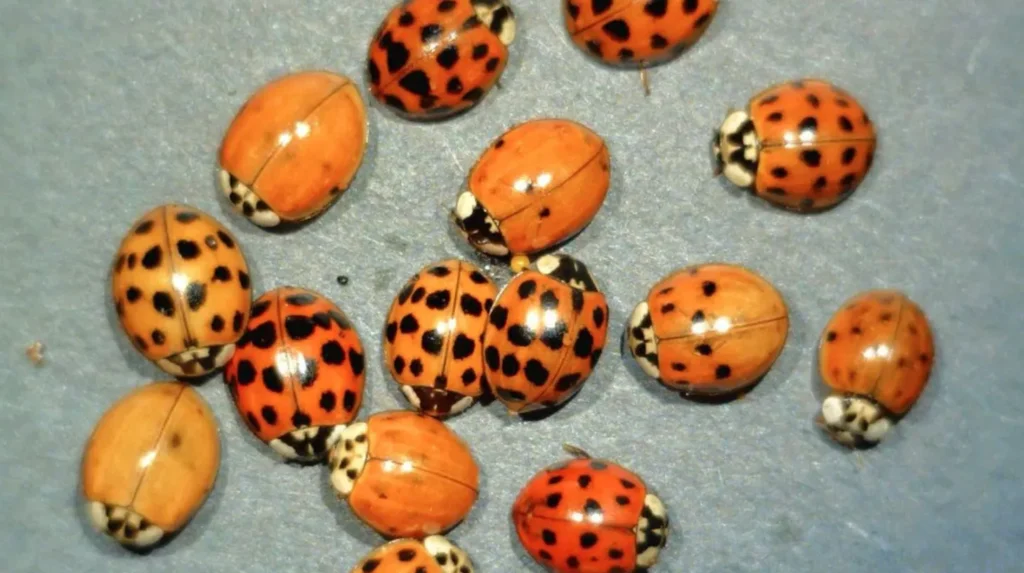
Asian Lady Beetle: This species, Harmonia axyridis, has become a major pest in some regions due to its invasive nature. Unlike native lady beetles, the Asian lady beetle is known to invade homes during the winter months, where it can be a nuisance.
Ladybug vs Asian Lady Beetle: The Asian lady beetle differs from the traditional ladybug in both appearance and behavior. While ladybugs are typically red with black spots, Asian lady beetles can be orange or yellow and may have a broader range of spots.
Japanese Lady Beetle: Another invasive species, the Japanese lady beetle, has behavior similar to that of the Asian lady beetle but is more commonly found in specific regions, such as parts of North America.
Frequently Asked Questions (FAQs)
- What is the life cycle of a lady beetle?
- The life cycle includes four stages: egg, larva, pupa, and adult, typically lasting a few weeks to several months.
- Are lady beetles harmful to humans?
- No, lady beetles are not harmful to humans. However, the Asian lady beetle can bite if threatened.
- Why are lady beetles important for gardens?
- They help control aphid populations, which are harmful to plants, by feeding on them.
- How can I attract lady beetles to my garden?
- Plant aphid-friendly plants and avoid using pesticides, which can harm lady beetles.
- What is the difference between ladybugs and lady beetles?
- “Ladybug” is a common name used mainly in the U.S., while “lady beetle” is a more accurate scientific term.
- Are Asian lady beetles harmful to crops?
- While they provide some pest control, they can also damage crops, particularly during their invasive behavior.
- Can lady beetles survive the winter?
- Yes, lady beetles survive winter by hibernating in sheltered locations.
- How long do lady beetles live?
- The lifespan of a lady beetle can vary, but most live for about one to two years.
Conclusion
Lady beetles, with their vibrant colors and fascinating life cycle, are essential to maintaining ecological balance. Their role in natural pest control makes them invaluable allies for gardeners and farmers alike. Protecting these tiny creatures ensures a healthier environment and a more sustainable future. By understanding their behavior, life cycles, and importance, we can all do our part to safeguard these natural heroes for generations to come.
Also Read: immortal jellyfish life cycle





Leave a Reply