
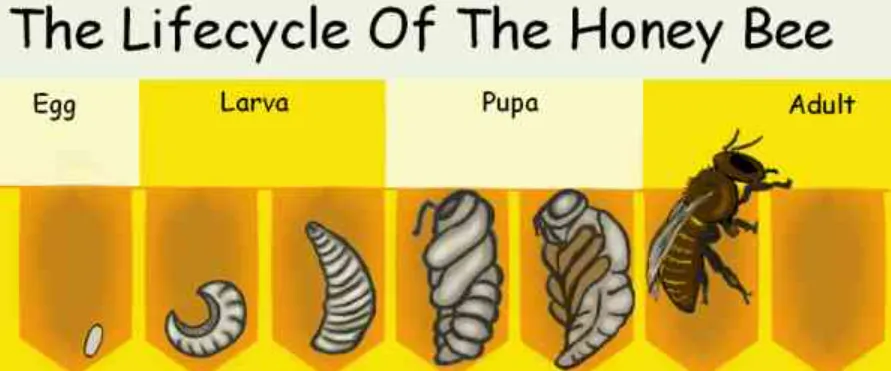
The Hymenoptera life cycle is one of the most fascinating biological processes found in insects, including bees, ants, and wasps. These insects play a critical role in ecosystems through pollination, pest control, and maintaining biodiversity. Understanding their life cycle not only helps in academic studies (like BYJU’S biology topics) but also in appreciating their ecological importance.
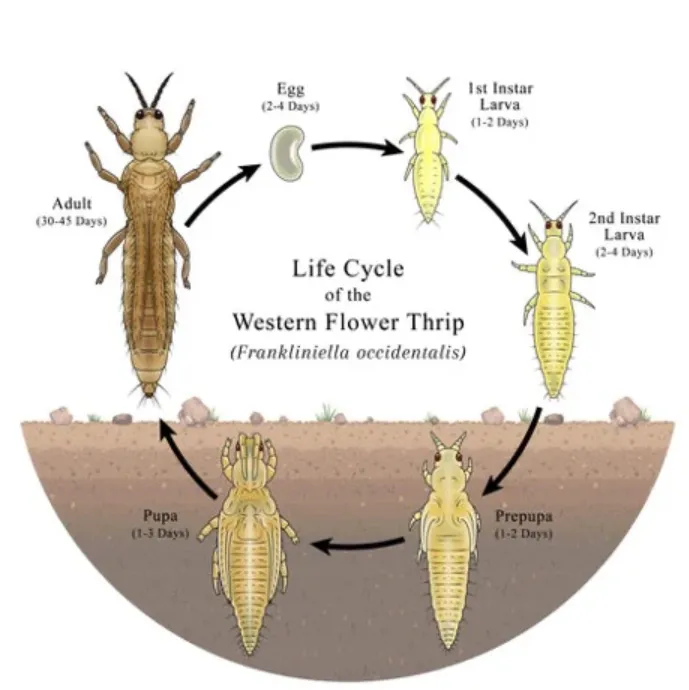
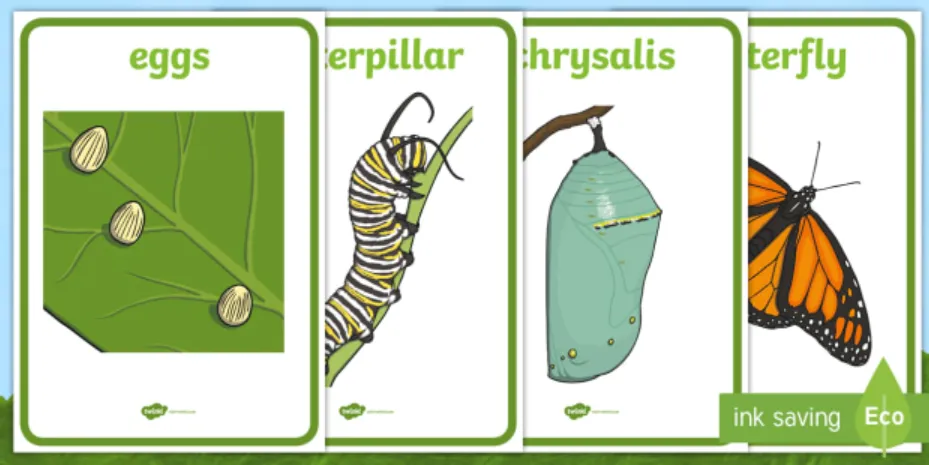
Hymenoptera undergo complete metamorphosis, which includes four distinct stages: egg, larva, pupa, and adult. Each stage has unique characteristics and functions that ensure survival and reproduction.
These insects are also known for their social behavior, especially in species like honeybees and ants, where colonies operate with remarkable organization. However, some species are solitary and follow independent life cycles.
Quick Answers (Most Common Questions)
1. What is the life cycle of Hymenoptera?
The Hymenoptera life cycle consists of four stages: egg → larva → pupa → adult, known as complete metamorphosis.
2. Why is Hymenoptera important?
They are essential pollinators, natural pest controllers, and contributors to ecological balance.
3. Do all Hymenoptera live in colonies?
No, some are social (bees, ants), while others are solitary (many wasps).
Quick Life Cycle Table
| Stage | Description | Duration | Key Function |
| Egg | Laid by a queen or a female | Few days | Beginning of life |
| Larva | Worm-like, feeds actively | Several days to weeks | Growth and development |
| Pupa | Transformation stage | 1–2 weeks | Metamorphosis into an adult |
| Adult | Fully developed insect | Weeks to months | Reproduction & colony work |
The History Of Their Scientific Naming
- The term Hymenoptera comes from Greek words “hymen” (membrane) and “ptera” (wings), referring to their membranous wings.
- First classified by Carl Linnaeus in the 18th century as part of his taxonomic system.
- Linnaeus grouped bees, ants, and wasps into this order based on shared characteristics.
- Later, scientists expanded the classification based on wing structure, reproductive systems, and behavior.
- The order now includes over 150,000 known species, making it one of the largest insect groups.
- Advances in molecular biology have refined classification using DNA analysis.
- Suborders include Apocrita (ants, bees, wasps) and Symphyta (sawflies).
This scientific naming reflects both morphology and evolutionary relationships, helping researchers understand biodiversity.
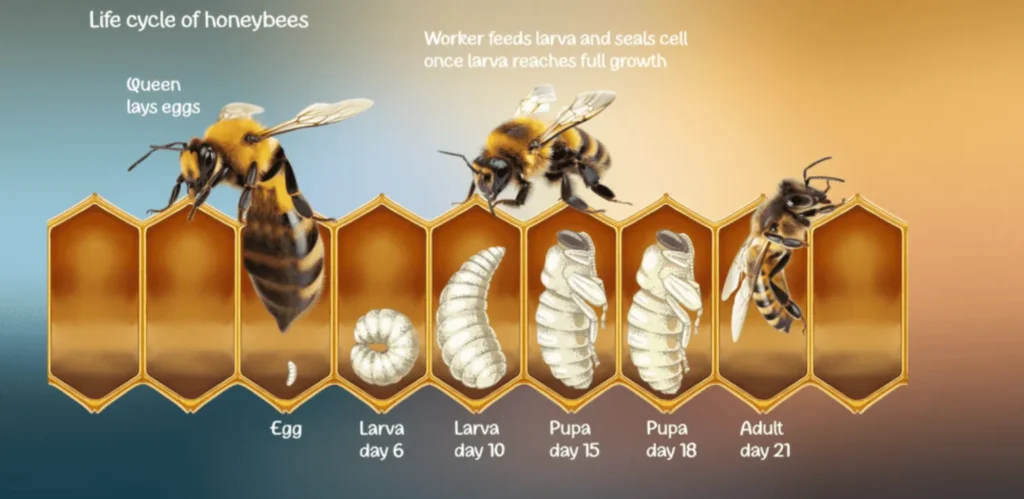
Their Evolution And Their Origin
The origin of Hymenoptera dates back approximately 250 million years, to the Triassic period. Fossil records suggest that early Hymenoptera were plant-feeding insects similar to modern sawflies.
Over time, evolution led to the emergence of more complex forms, particularly parasitic and social species. One of the most significant evolutionary developments was the wasp waist, a narrow connection between the thorax and abdomen seen in advanced species.
This structural change allowed greater flexibility and improved mobility, which helped in hunting and nesting. Additionally, the evolution of stingers from ovipositors (egg-laying organs) gave some species a defense mechanism.
Social behavior evolved later, especially in bees and ants. This led to the development of colonies with specialized roles, including workers, drones, and queens.
Hymenoptera co-evolved with flowering plants, making them essential pollinators. Their mutual relationship with plants significantly influenced global ecosystems.
Today, Hymenoptera are among the most successful insect groups due to their adaptability, complex behaviors, and ecological roles.
Important Things That You Need To Know
The Hymenoptera order includes diverse insects with unique biological and medical significance. Below are key insights:
1. Hymenoptera Definition
The term hymenoptera refers to an insect order characterized by membranous wings, complete metamorphosis, and specialized reproductive systems.
2. Hymenoptera Allergy
A hymenoptera allergy occurs when a person has an allergic reaction to stings from bees, wasps, or ants. Symptoms range from mild swelling to severe anaphylaxis.
3. Hymenoptera Sting Allergy
A hymenoptera sting allergy is more severe and may require emergency treatment. It is caused by venom proteins triggering immune responses.
4. Hymenoptera Allergenic Extract
The hymenoptera allergenic extract is used in immunotherapy to help individuals build tolerance to venom and reduce allergic reactions.
5. Medical Importance
Understanding these allergies is crucial for safety, especially in regions with high insect activity. Early diagnosis and treatment can save lives.
These aspects highlight that Hymenoptera are not only ecologically important but also medically significant.
Their Main Food and Its Collection Process
Hymenoptera species have diverse feeding habits depending on their type and role.
- Bees primarily feed on nectar and pollen. Nectar provides energy, while pollen supplies protein.
- Worker bees collect nectar using their proboscis and store it in a honey stomach.
- Pollen is collected on specialized body parts, such as pollen baskets (corbiculae).
- Ants have varied diets, including seeds, fungi, insects, and sugary substances such as honeydew.
- Some ants farm fungi, showing advanced agricultural behavior.
- Wasps are often carnivorous or parasitic.
- They hunt insects or spiders to feed their larvae.
- Adult wasps may consume nectar or fruit juices.
Collection process:
- Use of chemical signals (pheromones) to locate food sources.
- Communication through dances (in bees) to guide others.
- Efficient division of labor in colonies ensures a continuous food supply.
This diversity in diet and collection strategies helps Hymenoptera adapt to various environments.
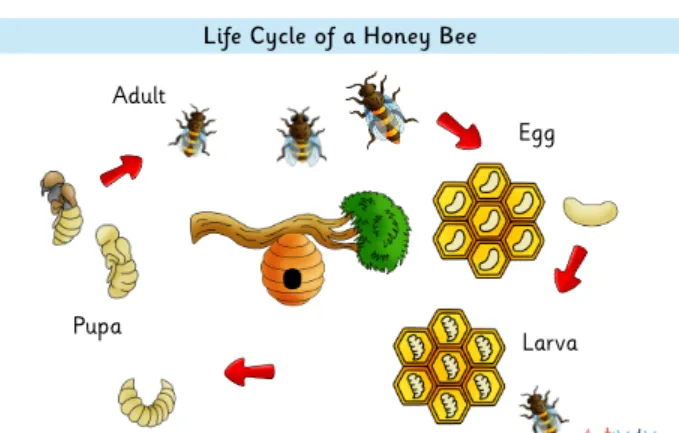
Their Life Cycle and Ability to Survive in Nature
Egg Stage
The female lays eggs in safe environments such as nests, soil, or plant tissues. Protection ensures higher survival rates.
Larval Stage
Larvae focus on feeding and growth. In social species, workers feed larvae with nutrient-rich food.
Pupal Stage
During this stage, transformation occurs. The insect develops wings, legs, and adult structures.
Adult Stage
Adults perform roles like reproduction, foraging, and colony defense.
Survival Strategies
Hymenoptera have evolved remarkable survival mechanisms:
- Social cooperation increases efficiency and protection.
- Chemical communication helps coordinate activities.
- Ability to adapt to different climates and habitats.
- Defensive mechanisms like stingers and camouflage.
These traits ensure their long-term survival and ecological dominance.
Their Reproductive Process and Raising Their Children
- Most Hymenoptera reproduce through sexual reproduction, but some use parthenogenesis (asexual reproduction).
- In bees, the queen lays fertilized eggs (females) and unfertilized eggs (males).
- The colony structure includes queens, workers, and drones.
Raising offspring:
- Workers feed and care for larvae.
- Nests are built using wax (bees), mud (wasps), or soil (ants).
- Temperature regulation is maintained in colonies.
- Predator protection is ensured through group defense.
Some wasps lay eggs inside other insects, providing food for larvae. This parasitic behavior ensures survival.
Overall, their reproductive strategies are highly efficient and adapted to environmental conditions.
Importance of Them in this Ecosystem
Pollination
Hymenoptera, especially bees, are key pollinators. They help in plant reproduction and crop production.
Biological Pest Control
Wasps and ants control pest populations naturally, reducing the need for pesticides.
Soil Aeration
Ants improve soil structure through tunneling, enhancing nutrient cycling.
Food Chain Contribution
They serve as food for birds, reptiles, and other animals.
Biodiversity Support
Their activities maintain ecological balance and support diverse life forms.
Without Hymenoptera, ecosystems would face severe disruptions.
What to do to protect them in nature and save the system for the future
- Reduce pesticide use to prevent harm to pollinators.
- Plant native flowering plants to provide food sources.
- Create habitats like bee hotels and natural nesting areas.
- Avoid destroying nests unless necessary for safety.
- Support organic farming practices.
- Educate communities about their importance.
- Protect natural ecosystems such as forests and grasslands.
- Encourage biodiversity-friendly gardening.
These actions can help preserve Hymenoptera populations and ensure ecological stability.
Frequently Asked Questions (FAQs)
1. What insects belong to Hymenoptera?
Bees, ants, wasps, and sawflies belong to this order.
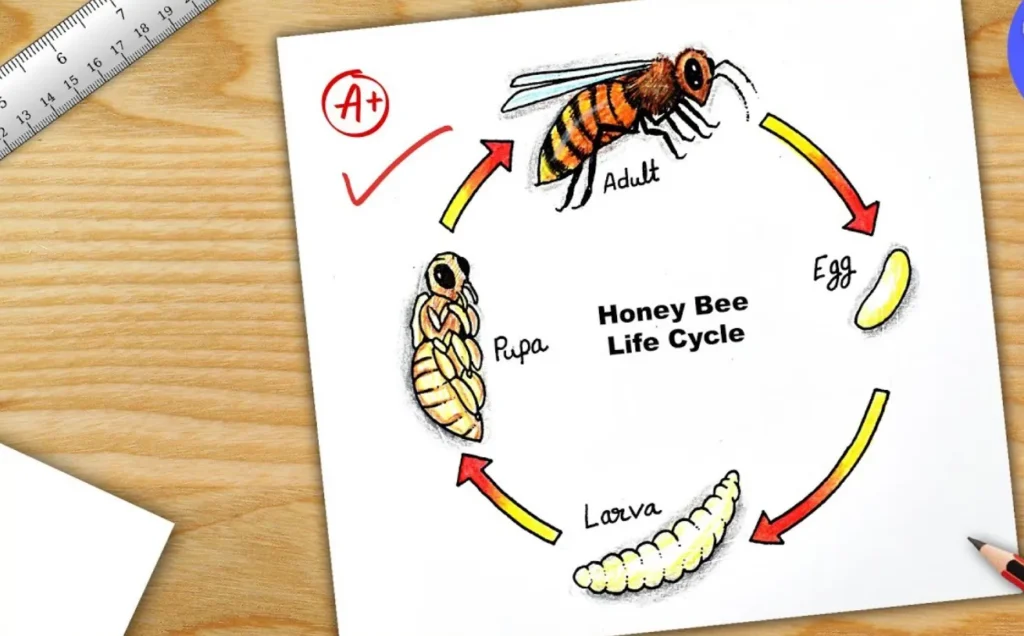
2. How many stages are in the Hymenoptera life cycle?
There are four stages: egg, larva, pupa, and adult.
3. What is a Hymenoptera allergy?
It is an allergic reaction to insect stings, such as those from bees and wasps.
4. Why are bees important in Hymenoptera?
They are major pollinators essential for agriculture and ecosystems.
5. Do all Hymenoptera sting?
No, only some species have stingers.
6. What is the role of the queen in Hymenoptera?
The queen is responsible for reproduction.
7. How do Hymenoptera communicate?
They use pheromones and behaviors, such as the waggle dance.
8. What is the Hymenoptera allergenic extract used for?
It is used in allergy treatments to reduce sensitivity to venom.
Conclusion
The Hymenoptera life cycle is a remarkable example of biological efficiency and adaptation. From egg to adult, each stage plays a vital role in ensuring survival and ecological contribution. These insects are not only fascinating from a scientific perspective but also crucial for maintaining the balance of nature.
Their evolution, feeding habits, and reproductive strategies highlight their adaptability across environments. At the same time, their role in pollination, pest control, and soil health makes them indispensable to ecosystems and human agriculture.
However, threats like habitat loss, pesticides, and climate change are putting pressure on their populations. Protecting Hymenoptera is not just about saving insects—it is about preserving the health of our planet.
By understanding and supporting these species, we can ensure a sustainable and balanced ecosystem for future generations.
Also Read About: darkling beetle life cycle





Leave a Reply