
Malaria is a life‑threatening disease caused by microscopic parasites of the Plasmodium genus and transmitted to humans through the bite of infected Anopheles mosquitoes. It remains one of the most studied parasitic diseases worldwide due to its global impact on human health, especially in tropical regions where favorable climate conditions support mosquito breeding.
Understanding the malaria life cycle helps scientists develop effective treatments, create better vaccines, improve control measures against transmission, and educate people on how to protect themselves.
Here are 3 Quick Answers to the most common questions about this topic:
1. What is the life cycle of malaria?
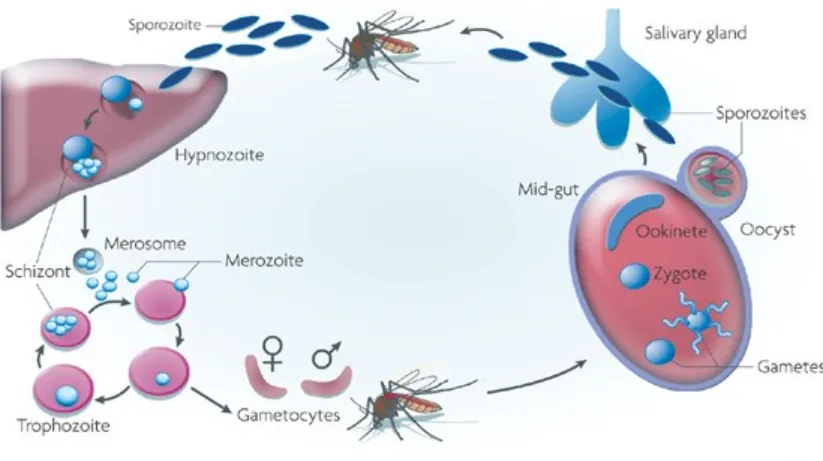
The malaria life cycle includes stages in both the mosquito and human host, beginning with an infected mosquito bite and ending when parasites invade red blood cells and multiply.
2. Is malaria contagious between people?
No, malaria is not contagious through casual contact. It spreads through mosquito bites or, in rare cases, infected blood transfusions.
3. Can malaria be prevented or cured?
Yes. Treatments, such as malaria medication, kill the parasite, and preventive methods — such as mosquito nets, repellents, and vaccines — reduce the risk. Scientific progress continues in the development of advanced malaria vaccines.
Quick Life Cycle Table
| Stage | Location | Description |
| Infection | Human bloodstream | Mosquito injects Plasmodium sporozoites |
| Liver Stage | Human liver cells | Sporozoites multiply into schizonts |
| Blood Stage | Human blood | Red blood cells are infected, causing symptoms |
| Transmission to Mosquito | Mosquito gut | A mosquito bites an infected human and ingests gametocytes |
| Mosquito Development | Mosquito body | Gametocytes turn into sporozoites, ready to infect a new human |
The History Of Their Scientific Naming
The name Plasmodium comes from Greek roots: “plasmo,” meaning “formed” or “molded,” and “-idium,” meaning “small thing,” highlighting its microscopic, shapeshifting nature. This naming dates back to 1885, when scientists first identified the parasite under a microscope while studying fevers common in tropical climates.
Historical steps in naming:
- 1880s Discovery: Dr. Alphonse Laveran in Algeria observed the parasite in blood — the first identification.
- Classified as Protozoa: Early scientists recognized Plasmodium as a single-cell organism.
- Species Named: Later researchers distinguished multiple species, such as P. falciparum and P. vivax, based on characteristics and severity.
The classification reflects the parasite’s biological structure and life process, helping researchers differentiate types that cause varying malaria symptoms and require specific malaria treatments.
Their Evolution And Their Origin
The Plasmodium parasites that cause malaria today evolved over millions of years. Genetic studies reveal that these organisms likely originated in ancient primates before shifting to humans. Early versions co‑evolved with primate hosts in Africa, adapting over time to specific species.
As humans migrated across continents, different Plasmodium strains spread and diversified:
- Some species adapted to warmer climates, while others survived in cooler regions.
- The spread of agriculture and settlement created stagnant water zones ideal for mosquitoes, completing the conditions necessary for transmission.
This long evolutionary history explains why malaria persists today. Each Plasmodium species developed unique strategies to survive within human hosts and mosquito vectors:
- Dormancy in the liver (seen in P. vivax) protects parasites from immune responses.
- Fast multiplication in red blood cells (seen in P. falciparum) increases the severity of symptoms.
Understanding the origins and adaptations enables scientists to investigate why some populations are more resistant and how modern treatments or malaria vaccines can target specific biological mechanisms.
Their Main Food And Its Collection Process
The Plasmodium parasite’s survival depends on its ability to access nutrients within its host. Its “main food source” is the hemoglobin inside human red blood cells. The process works like this:
Primary Nutrient: Hemoglobin
- Once inside the bloodstream, the parasite enters red blood cells.
- Inside cells, it consumes hemoglobin to gain amino acids — essential building blocks for growth and reproduction.
Food Collection Process
- Entry
- Parasites enter red blood cells via specific receptor‑mediated pathways.
- Digestion
- Inside the cell’s digestive vacuole, hemoglobin breaks down into usable nutrients.
- Growth & Replication
- Freed nutrients fuel rapid parasite multiplication, leading to more infected cells.
- Waste Management
- Byproducts such as hemozoin accumulate, impairing cellular function and triggering immune responses.
This feeding mechanism explains many symptoms of malaria, such as fatigue and anemia, because destroying red blood cells reduces oxygen transport.
Understanding this nutritional cycle is essential for designing drugs that block nutrient uptake or digestion — disrupting the parasite’s ability to survive.
Their Life Cycle And Ability To Survive In Nature
Malaria Parasite Life Cycle (Detailed)
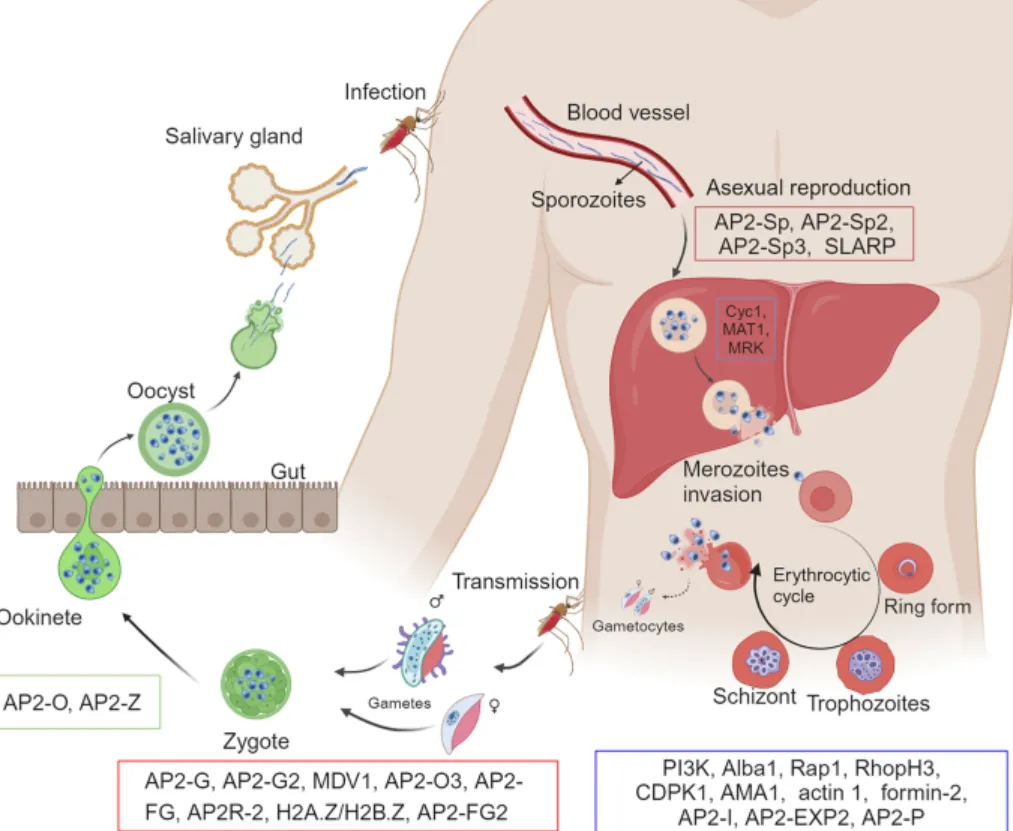
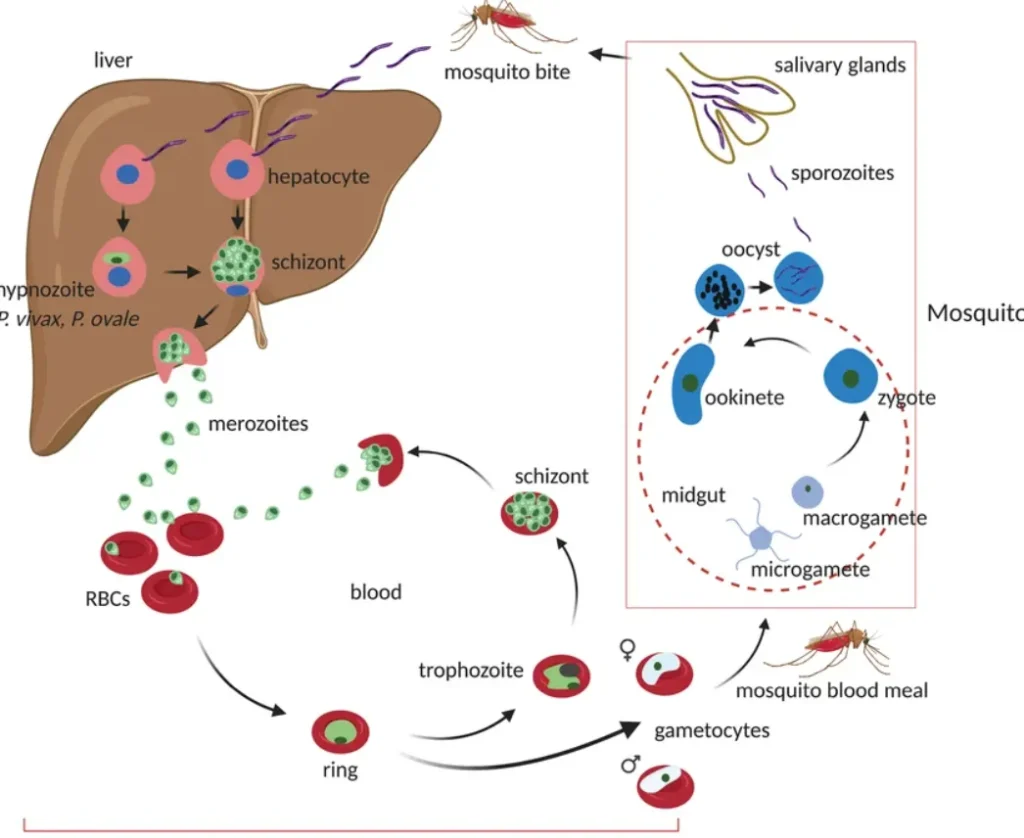
The malaria parasite’s survival hinges on a well‑coordinated journey between mosquitoes and humans. Its life cycle includes two main hosts: the Anopheles mosquito and the human body.
1. Mosquito Stage (Vector Phase)
- Anopheles mosquitoes carry sporozoites in their salivary glands.
- When a mosquito bites a human, it injects these infective forms.
- Inside the mosquito, parasite stages multiply and mature into more sporozoites.
2. Human Liver Stage
- Sporozoites travel to the liver within minutes.
- They infect liver cells, multiply, and convert to merozoites.
3. Human Blood Stage
- Merozoites invade red blood cells.
- Inside these cells, rapid division disrupts cell integrity.
- Bursting infected cells release toxins, causing chills, fever, and other common malaria symptoms.
This cyclical pattern allows the parasite to adapt rapidly. Its ability to hide inside liver or blood cells enables persistence and resilience against immune responses.
Their Reproductive Process And Raising Their Children
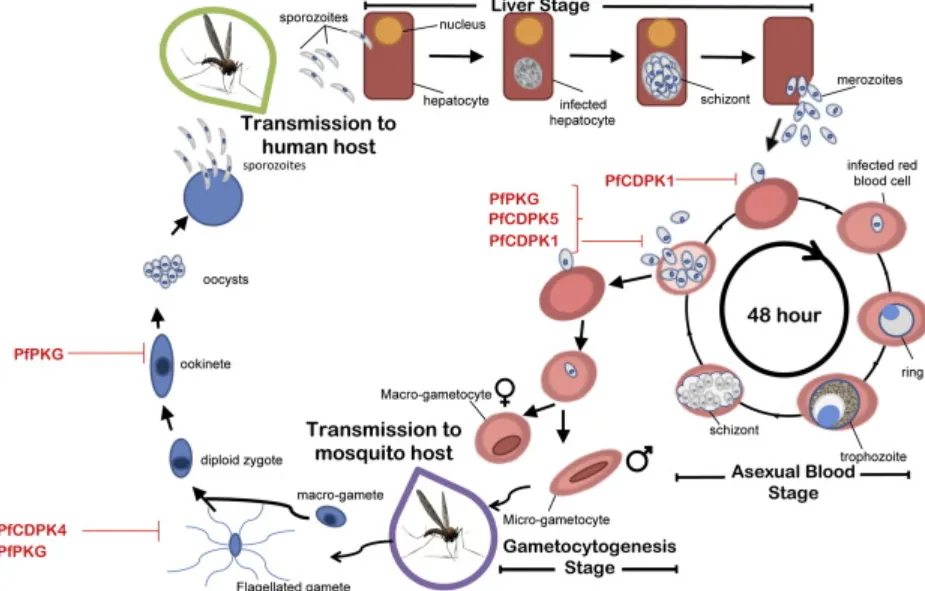
Unlike sexually reproducing animals, Plasmodium parasites reproduce through a mix of asexual and sexual processes during their life cycle.
Asexual Reproduction (Human Host)
- Once inside the human liver, parasites divide asexually.
- This produces thousands of daughter cells (merozoites) without mating.
- These merozoites invade red blood cells and divide again inside them.
- This rapid multiplication increases parasite numbers exponentially.
Sexual Reproduction (Mosquito Host)
- Some merozoites mature into sexual forms called gametocytes.
- When a mosquito bites an infected person, it consumes these gametocytes.
- Inside the mosquito’s stomach, male and female gametocytes unite and form zygotes.
Raising “offspring” means producing many infective sporozoites that can be injected into another human during future mosquito bites.
This dual reproductive strategy ensures malaria’s survival and spread, making control more challenging.
Important Things That You Need To Know
This section delves into LSI keywords such as malaria, malaria vaccine, malaria symptoms, symptoms of malaria, malaria treatment, malaria medication, and whether malaria is contagious.
Malaria is a complex disease transmitted by mosquito bites, and identifying its early symptoms can be lifesaving. Common symptoms include fever, chills, headache, and fatigue. Left untreated, it can lead to more severe complications.
Malaria Treatment & Medication
Treatment depends on the infecting Plasmodium species and the severity of the infection. Standard antimalarial drugs — such as artemisinin‑based combination therapies — target the parasite within red blood cells. Prompt malaria treatment reduces the risk of death.
Malaria Vaccine Progress
Developing a malaria vaccine has been a global priority. Recent breakthroughs show promise, but vaccines are still part of a broader strategy alongside nets and medicines.
Is Malaria Contagious?
Though people often worry whether malaria spreads between individuals, the answer is no — the disease does not spread by touch or casual contact. It requires a specific mosquito vector.
Understanding these keywords enriches comprehension and improves responses to online queries and health decision‑making.
Importance Of Them In This Ecosystem
Role in Nature
Plasmodium parasites, mosquitoes, and animals form a delicate ecological web:
1. Mosquito Food Chain
Mosquito larvae serve as food for fish, insects, and amphibians, contributing to aquatic ecosystems.
2. Parasite‑Host Balance
The presence of Plasmodium affects predator‑prey relationships:
- Infected animals may become more sluggish, making them easier prey for predators.
- This dynamic influences population sizes and biodiversity.
3. Human Ecology
Although harmful to humans, malaria plays a role in shaping genetic traits — for example, regions with high malaria exposure show greater prevalence of sickle‑cell traits, which offer some protection.
Despite its destructive impact on human health, malaria’s existence reflects natural evolutionary balances between parasites, vectors, and hosts.
What to Do to Protect Them in Nature and Save the System for the Future
To protect ecosystems while addressing malaria risks:
- Implement Sustainable Mosquito Control
- Use larvivorous fish and biological agents instead of harmful chemicals.
- Preserve Wetland Balance
- Wetlands support biodiversity. Avoid draining them; instead, manage mosquito breeding with ecological methods.
- Encourage Environment‑Friendly Practices
- Reduce standing water in containers and recycle water safely.
- Support Research for Better Vaccines
- Investing in science ensures effective disease control without ecological harm.
- Promote Community Education
- Teach families about safe practices, such as window screens and insect repellents.
- Use Integrated Pest Management (IPM)
- Combine biological controls, habitat management, and public health measures.
Frequently Asked Questions (FAQs)
1. What exactly is malaria?
Malaria is a mosquito-borne parasitic disease caused by the Plasmodium parasite, leading to symptoms such as fever and chills.
2. How does the malaria life cycle work?
It involves stages in Anopheles mosquitoes and human hosts, from infectious sporozoites to blood‑stage parasites.
3. What are common symptoms of malaria?
Common symptoms include fever, headache, fatigue, and chills.
4. Is malaria contagious between people?
No, malaria doesn’t spread through touch; transmission requires a mosquito vector.
5. Can malaria be cured?
Yes. There are effective antimalarial treatments.
6. Is there a malaria vaccine available?
Vaccines are being developed and used in some areas to help prevent severe disease.
7. What medications treat malaria?
Antimalarial medications, such as artemisinin-based therapies, are commonly used.
8. How can malaria be prevented?
Prevention includes mosquito nets, repellents, controlled breeding habitats, and vaccines.
Conclusion
Understanding the malaria life cycle — from mosquito transmission to human infection and parasite reproduction — equips us to fight this disease more effectively. By recognizing malaria symptoms, using proper malaria medication, and supporting research into a durable malaria vaccine, we can reduce the global burden of malaria and protect vulnerable populations.
While malaria is not contagious through casual contact, its complex life cycle underscores how closely human health and ecological systems are connected. Learning about prevention and ecosystem preservation helps safeguard both human lives and environmental balance. With combined efforts in education, science, and public health, we can continue making progress toward a world less affected by malaria.
Also Read: life mosquito cycle





Leave a Reply