
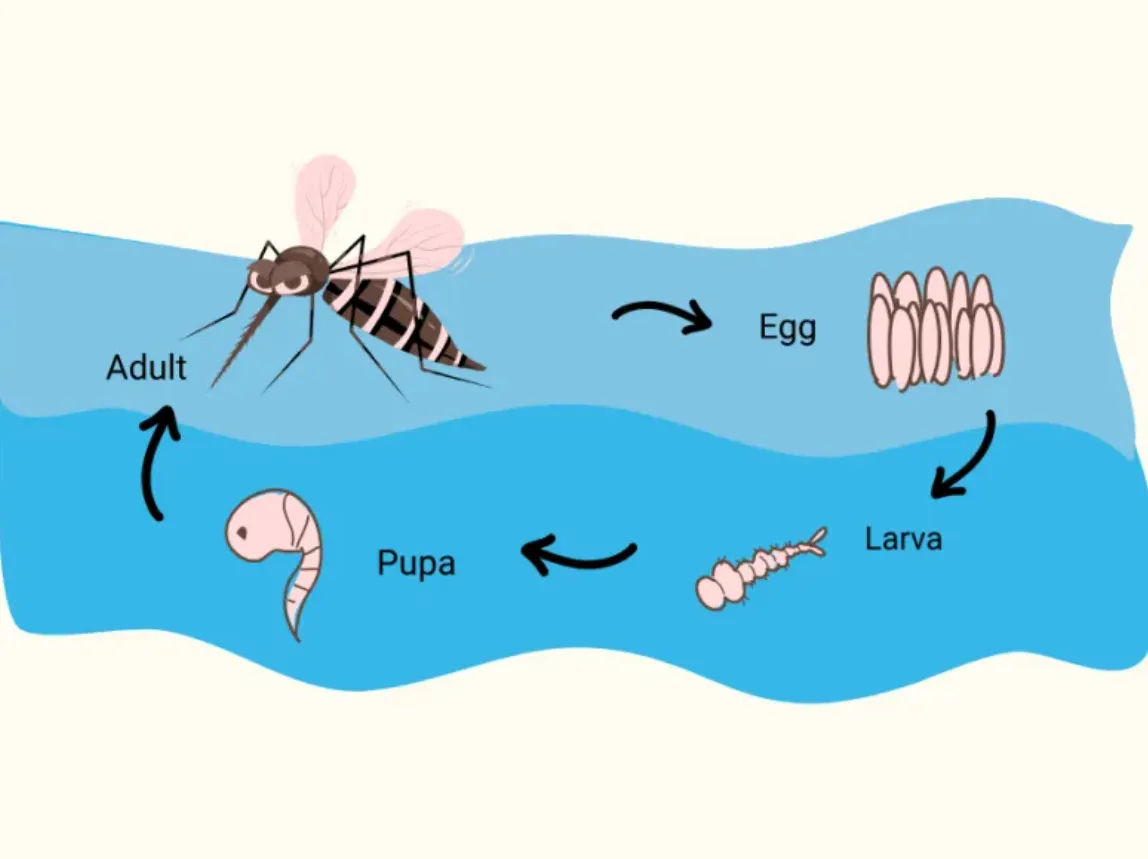
The mosquito life cycle is a fascinating biological process that plays a crucial role in both ecosystems and human health. Mosquitoes are often seen as pests, yet their lifecycle reveals a complex and highly adaptive survival strategy. Understanding how a mosquito develops—from egg to adult—can help in better control, prevention, and ecological awareness.
Mosquitoes thrive in a variety of environments, especially in warm and humid regions. Their ability to reproduce rapidly and adapt to changing conditions makes them one of the most resilient insects on Earth. This article explores every stage of their life cycle, their evolutionary history, feeding habits, and their role in the ecosystem.
✅ Quick Answers (Most Common Questions)
1. How long is the mosquito life cycle?
The mosquito life cycle typically lasts 7 to 14 days, depending on environmental conditions like temperature and water availability.
2. Where do mosquitoes lay eggs?
Mosquitoes lay eggs in standing water, such as ponds, puddles, containers, and even plant leaves holding water.
3. What do mosquito larvae eat?
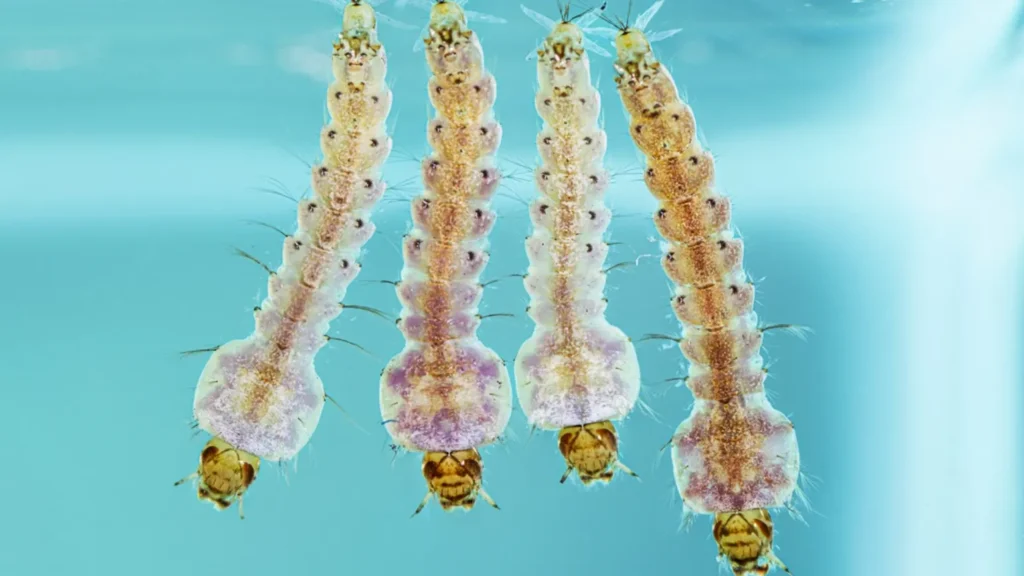
Mosquito larvae feed on microorganisms, algae, and organic debris found in water.
Quick Life Cycle Table
| Stage | Duration | Key Characteristics |
| Egg | 1–3 days | Laid on water surfaces or damp areas |
| Larva | 4–10 days | Active, feeds on organic matter in water |
| Pupa | 1–4 days | Non-feeding, transformation stage |
| Adult | 1–2 weeks | Flying insect, reproduction stage |
The History Of Their Scientific Naming
The scientific classification of mosquitoes has evolved over centuries as entomologists studied their diversity and behavior.
- Mosquitoes belong to the family Culicidae, derived from the Latin word culex, meaning “gnat.”
- Early classification began in the 18th century when scientists started grouping insects based on wing structure and feeding habits.
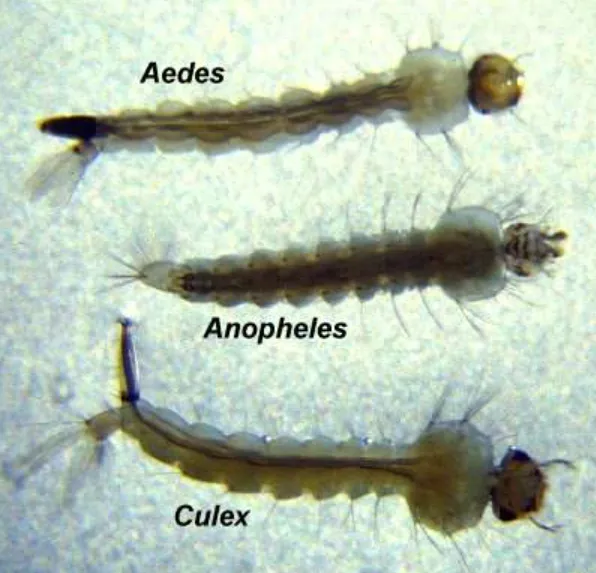
- The genus Anopheles, Aedes, and Culex are among the most studied due to their role in disease transmission.
- The name Anopheles means “useless” in Greek, ironically given before their role in malaria transmission was known.
- With advances in genetics, modern taxonomy now includes DNA analysis for more accurate classification.
- Today, over 3,500 mosquito species have been identified worldwide.
This scientific naming system helps researchers track disease vectors and develop targeted mosquito control strategies.
Their Evolution And Their Origin
Mosquitoes are ancient insects with a lineage dating back over 100 million years to the time of dinosaurs. Fossil evidence preserved in amber shows that early mosquitoes already had many of the features seen today.
Their evolution is closely linked to the development of flowering plants and vertebrates. As animals evolved, mosquitoes adapted to feed on blood, which provided a rich source of protein for egg production.
Over time, mosquitoes diversified into thousands of species. Some evolved to prefer human hosts, while others feed on birds, reptiles, or amphibians. Their sensory systems became highly advanced, allowing them to detect carbon dioxide, body heat, and even human skin odors.
Environmental adaptability has been key to their survival. Mosquitoes can thrive in tropical rainforests, urban areas, and even cold regions by entering a dormant state.
Natural selection has also shaped their resistance to pesticides, making mosquito control increasingly challenging. This evolutionary resilience explains why mosquitoes remain one of the most widespread insects globally.
Their Main Food and Its Collection Process
Mosquitoes have a unique feeding system that varies between males and females.
🟢 Key Feeding Points:
- Male Mosquito Diet
- Feed primarily on nectar and plant juices
- Provide energy for flight and survival
- Female Mosquito Diet
- Consume nectar for energy
- Require blood meals for egg development
- Blood Feeding Process
- Use a specialized mouthpart called a proboscis
- Inject saliva containing anticoagulants
- Extract blood from hosts such as humans or animals
- Larval Feeding
- Feed on microorganisms and organic debris
- Use brush-like mouthparts to filter food from water
- Food Collection Techniques
- Detect hosts using carbon dioxide and body heat
- Prefer stagnant water rich in nutrients for larvae feeding
This feeding behavior not only supports their life cycle but also makes them vectors of diseases.
Important Things That You Need To Know
Understanding related concepts can deepen your understanding of mosquito behavior and control.
🌿 Key Insights About Mosquito-Related Topics
- mosquito larvae
- These are aquatic and highly active feeders
- They play a role in aquatic ecosystems as a food source
- mosquito dunks
- Biological control tools containing bacteria that kill larvae
- Safe for humans and pets
- mosquito hawk
- Often refers to crane flies or dragonflies
- Natural predators of mosquitoes
- mosquito control near me
- Professional services help reduce mosquito populations
- Use spraying, habitat removal, and biological controls
- mosquito repellent plants
- Plants like citronella, lavender, and basil help repel mosquitoes naturally
These elements are essential for effectively and sustainably managing mosquito populations.
Their Life Cycle and Ability to Survive in Nature
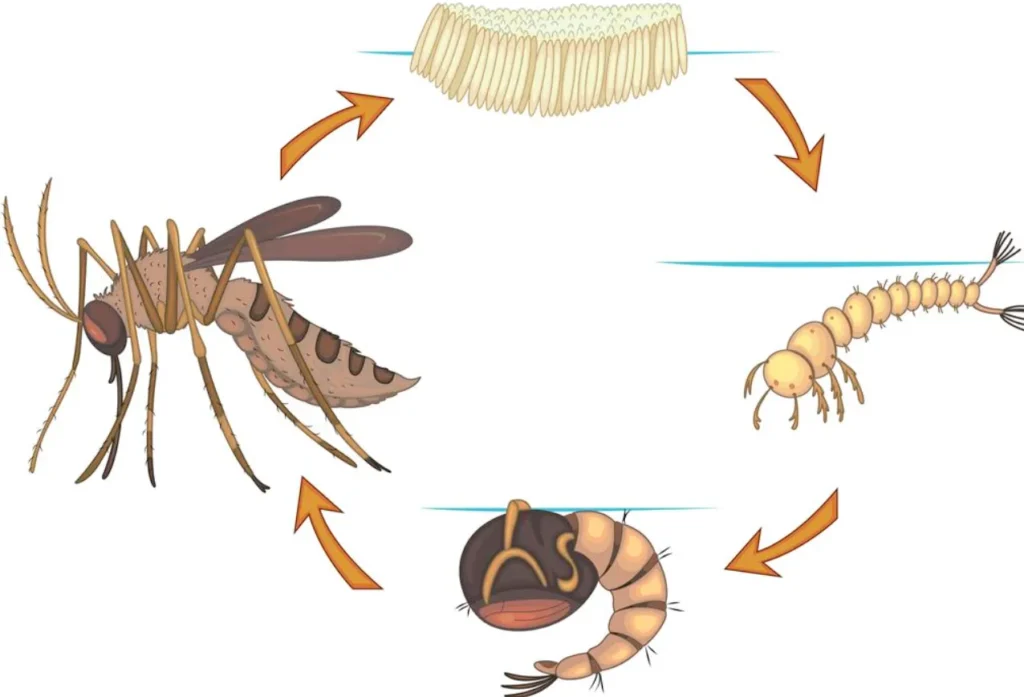
🦟 Egg Stage
Female mosquitoes lay eggs in or near water. Some species lay eggs individually, while others lay them in clusters called rafts.
🐛 Larval Stage
Larvae, also known as “wigglers,” live in water and come to the surface to breathe. They feed continuously and grow rapidly.
🌀 Pupal Stage
The pupal stage is a transformation phase. Though they do not eat, they remain active and responsive to movement.
🪶 Adult Stage
Adult mosquitoes emerge from the water and begin flying. Females seek blood meals, while males focus on mating.
🌍 Survival Adaptations
- Ability to breed in tiny water sources
- Rapid reproduction cycles
- Resistance to environmental changes
- Dormancy during unfavorable conditions
These traits ensure their survival across diverse environments.
Their Reproductive Process and Raising Their Children
Mosquito reproduction is highly efficient, ensuring the survival of the species.
🟡 Key Reproductive Points:
- Mating Behavior
- Occurs shortly after adulthood
- Males form swarms to attract females
- Egg Production
- Females require blood for egg development
- Can lay hundreds of eggs at once
- Egg Placement
- Laid in stagnant water or on damp surfaces
- Some species lay drought-resistant eggs
- Larval Development
- Hatch quickly under favorable conditions
- Grow through multiple stages called instars
- Parental Care
- No direct care after laying eggs
- Survival depends on the environment
Despite a lack of parental care, their high reproduction rate ensures population growth.
Importance of Them in This Ecosystem
🌱 Ecological Roles
🐟 Food Source
Mosquitoes serve as food for fish, birds, bats, and insects.
🌸 Pollination
Some mosquito species help pollinate plants while feeding on nectar.
🌊 Nutrient Cycling
Larvae contribute to nutrient recycling in aquatic ecosystems.
🐦 Biodiversity Support
They support the survival of many predator species.
Although they are disease vectors, their ecological role cannot be ignored.
What to Do to Protect Them in Nature and Save the System for the Future
While controlling harmful populations is necessary, preserving ecological balance is equally important.
✅ Protective Measures:
- Avoid overuse of pesticides
- Can harm beneficial insects and ecosystems
- Promote natural predators
- Encourage birds, bats, and dragonflies
- Use eco-friendly control methods
- Biological agents like mosquito dunks
- Maintain clean water systems
- Prevent excessive breeding without destroying habitats
- Plant mosquito repellent plants
- Natural way to reduce human-mosquito contact
- Educate communities
- Spread awareness about balanced mosquito control
- Support sustainable research
- Encourage eco-friendly pest management solutions
- Protect wetlands
- Essential habitats for biodiversity, including mosquitoes
Balancing control and conservation is key to a sustainable ecosystem.
Frequently Asked Questions (FAQs)
1. What are the four stages of the mosquito life cycle?
Egg, larva, pupa, and adult.
2. How fast do mosquitoes reproduce?
They can complete their life cycle in as little as 7 days.
3. Do all mosquitoes bite humans?
No, only female mosquitoes bite for blood.
4. Can mosquitoes survive without water?
No, water is essential for egg and larval stages.
5. What kills mosquito larvae naturally?
Predators like fish and bacteria-based solutions.
6. Are mosquito hawks dangerous?
No, they are harmless and often prey on mosquitoes.
7. How do mosquito repellent plants work?
They emit scents that mosquitoes find unpleasant.
8. Why are mosquitoes important in nature?
They support food chains and the balance of ecosystems.
Conclusion
The mosquito’s life cycle is a remarkable example of nature’s adaptability and efficiency. From tiny eggs in stagnant water to flying adults capable of detecting hosts from a distance, mosquitoes demonstrate an incredible survival strategy.
Despite their reputation as disease carriers, they play an essential role in ecosystems by supporting food chains and contributing to Pollination and nutrient cycling. Understanding their life cycle helps us develop smarter, more sustainable control methods that protect both human health and the environment.
By combining scientific knowledge with eco-friendly practices, we can manage mosquito populations without disrupting ecological balance. Awareness, prevention, and responsible action are key to coexisting with these resilient insects in a rapidly changing world.
Also Read: life cycle of fungi





Leave a Reply