
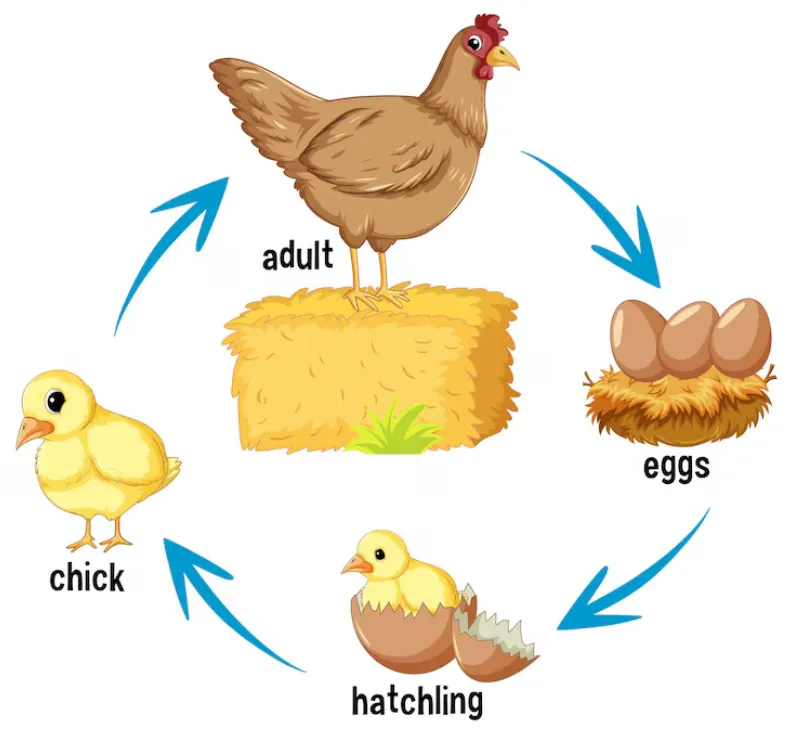
The life cycle of a chick is one of nature’s most fascinating biological journeys. From a fertilized egg to a fluffy baby chick, each stage reveals intricate processes of growth, survival, and adaptation. Understanding a Chick’s development not only helps poultry farmers but also educates students and nature enthusiasts about life science.
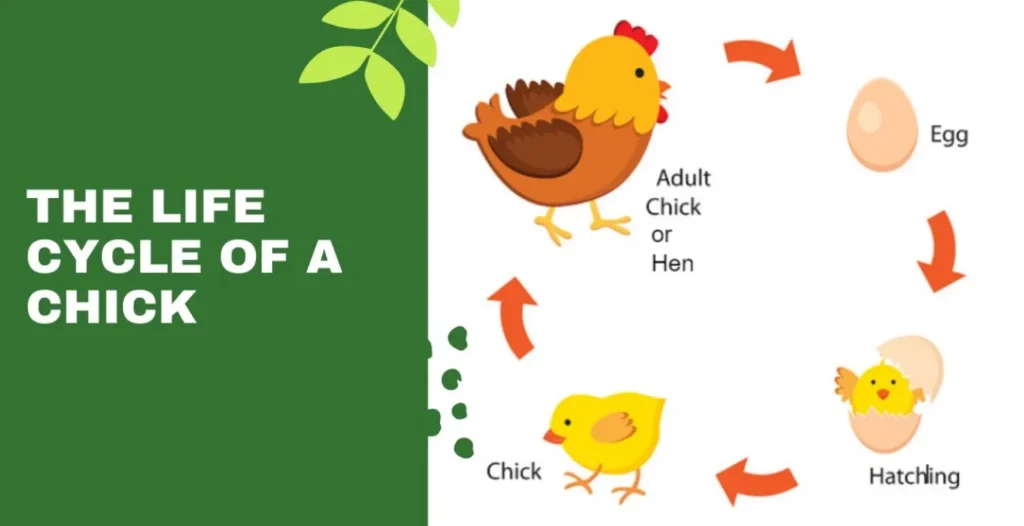
Chickens (especially the iconic golden chick) go through a well-defined cycle that includes egg formation, incubation, hatching, and growth into adulthood. This cycle is vital for maintaining poultry populations and supporting global food systems.
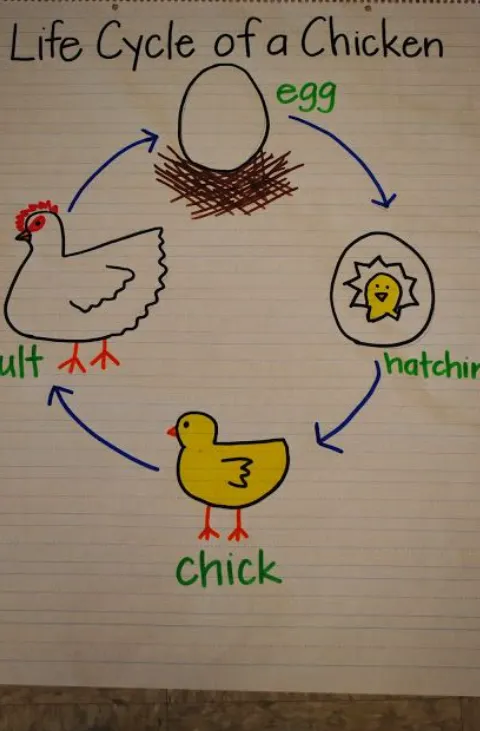
In educational settings, tools such as a chick life cycle worksheet or a chick life cycle craft are commonly used to demonstrate these stages visually. Whether you are raising chicks or studying biology, learning about this cycle provides valuable insights into life itself.
🔎 Quick Answers (Most Common Questions)
1. How long does it take for a chick to hatch?
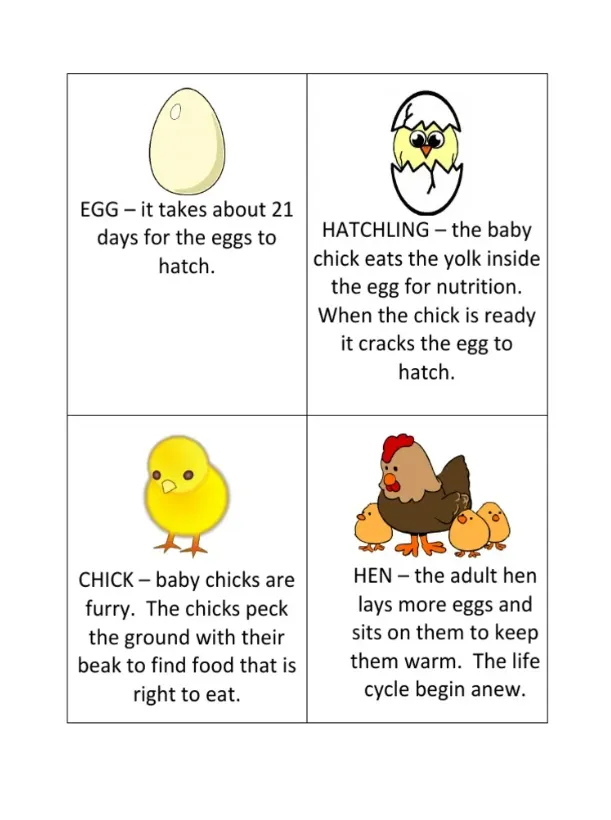
It typically takes 21 days for a fertilized egg to hatch under proper incubation conditions.
2. What are the stages of a chick’s life cycle?
Egg → Embryo → Hatchling (baby chick) → Juvenile → Adult chicken.
3. Can chicks survive without a mother?
Yes, with proper care like warmth, food, and protection, chicks can survive without a hen.
Quick Life Cycle Table
| Stage | Description | Duration |
| Egg | A fertilized egg containing a developing embryo | 0–7 days |
| Embryo Growth | Organs form, heartbeat begins, and the chick develops inside the egg | 7–18 days |
| Hatching | Chick breaks the shell using the egg tooth | Day 21 |
| Hatchling | Newborn fluffy chick begins movement and feeding | 1–2 weeks |
| Juvenile | Feathers grow, the chick becomes stronger and independent | 3–8 weeks |
| Adult Chicken | Fully developed bird capable of reproduction | 5–6 months |
The History Of Their Scientific Naming
The domestic chicken, scientifically known as Gallus gallus domesticus, is a subspecies of the red junglefowl.
- The genus name Gallus is Latin for “rooster” or “cock.”
- The species name gallus refers specifically to junglefowl found in Southeast Asia.
- The term domesticus indicates human domestication.
Historically, scientists traced the origins of chickens to wild ancestors in Asia. Early taxonomists, such as Carl Linnaeus, classified them based on physical features, such as comb shape and feather patterns.
Over time, genetic studies confirmed that modern chickens evolved from red junglefowl. This scientific naming helps researchers understand their evolutionary lineage and biological classification.
Their Evolution And Their Origin
Chickens have a long evolutionary history that dates back thousands of years. Their ancestors, the red junglefowl, originated in Southeast Asia, particularly in regions like India, Thailand, and Indonesia.
Early humans domesticated these birds around 8,000 years ago. Initially, chickens were not raised for meat or eggs but for rituals and cockfighting. Over time, selective breeding transformed them into the domesticated chickens we know today.
From Asia, chickens spread to Europe, Africa, and eventually the Americas through trade routes. Their adaptability made them among the most widely domesticated animals.
Evolution played a key role in shaping their traits:
- Improved egg production
- Faster growth rates
- Better survival in diverse climates
Modern chickens, including baby chicks, are genetically different from their wild ancestors due to selective breeding.
Interestingly, despite domestication, chickens still retain many instincts, such as scratching for food and forming social hierarchies.
This evolutionary journey highlights how humans and nature together shaped the chick life cycle into what we observe today.
Important Things That You Need To Know
Understanding the life cycle of a chick becomes easier when you explore practical learning tools and variations associated with it.
The chick life cycle worksheet is widely used in schools to help children visualize each stage of the chick’s life cycle, from egg to adult. These worksheets often include diagrams, labelling exercises, and sequencing tasks.
Similarly, a chick life cycle craft allows hands-on learning. Students create models using paper, clay, or other materials to represent each stage. This interactive approach improves memory and understanding.
The term baby chick life cycle emphasizes the early stages of a chick’s life after hatching. During this period, chicks require warmth, food, and protection to survive.
The phrase “golden chick” is often used to describe yellow-feathered chicks or specific breeds known for their golden colour.
By combining visual aids, crafts, and real-life observation, learners can better grasp the entire chick life cycle in an engaging, memorable way.
Their Main Food and Its Collection Process
Chicks and adult chickens have diverse diets that support their rapid growth and survival.
🥚 Main Food Sources
- Grains: Corn, wheat, and barley provide energy
- Protein sources: Insects, worms, and commercial feed
- Greens: Grass, leaves, and vegetables
- Calcium: Essential for egg production (in adults)
🌿 Food Collection Process
- Chickens naturally scratch the ground using their claws
- They peck at visible food items
- They use their sharp eyesight to locate insects
- They often forage in groups for safety
🐣 Feeding Behaviour in Baby Chicks
- Baby chicks rely on starter feed rich in protein
- They learn feeding habits by observing adult chickens
- Constant access to clean water is crucial
Chickens are omnivores, meaning they can eat both plant and animal matter. This flexibility allows them to survive in a wide range of environments.
Their Life Cycle and Ability to Survive in Nature
🥚 Egg Stage
The life cycle begins with a fertilized egg. The embryo develops inside under proper temperature and humidity.
🐣 Hatching Stage
After about 21 days, the chick uses its egg tooth to break the shell.
🐥 Chick Stage
Newly hatched chicks are vulnerable but grow quickly. They rely on warmth and food.
🐔 Juvenile Stage
Feathers replace fluff, and chicks become more independent.
🐓 Adult Stage
Fully grown chickens reproduce and continue the cycle.
🌍 Survival Abilities
- Strong adaptability to different climates
- Social behaviour for protection
- Ability to find food naturally
- Rapid growth rate
These traits help chickens thrive in both wild and domestic environments.
Their Reproductive Process and Raising Their Children
Chickens reproduce through internal fertilization. The rooster mates with the hen, resulting in fertilized eggs.
🐔 Reproductive Process
- The hen lays eggs regularly
- Fertilized eggs develop into embryos
- Incubation lasts about 21 days
🐣 Raising Baby Chicks
- The mother hen keeps the eggs warm
- She protects chicks from predators
- Teaches them how to find food
🛡️ Protection Methods
- Hiding chicks under wings
- Warning calls for danger
- Aggressive defense against threats
In modern poultry farming, humans often replace the hen’s role using incubators and brooding systems.
Importance of Them in this Ecosystem
🌱 Nutrient Recycling
Chickens help decompose organic waste and return nutrients to the soil.
🐛 Pest Control
They eat insects and pests, reducing the need for chemicals.
🌾 Agricultural Support
Chickens improve soil fertility through their droppings.
🐾 Biodiversity Contribution
They interact with other species, maintaining ecological balance.
🍳 Food Production
Provide eggs and meat to support global human nutrition.
What to Do to Protect Them in Nature and Save the System for the Future
- Provide safe and clean living environments
- Ensure access to nutritious food and water
- Protect from predators and harsh weather
- Avoid overuse of antibiotics
- Promote ethical farming practices
- Preserve natural habitats
- Educate people about sustainable poultry care
- Support organic and eco-friendly farming
- Reduce pollution affecting their environment
- Encourage biodiversity conservation
Frequently Asked Questions (FAQs)
1. What is the first stage of a chick’s life cycle?
The egg stage is the beginning.
2. How many days does a chick take to hatch?
About 21 days.
3. What do baby chicks eat?
Starter feed is rich in protein.
4. Can chicks survive in the wild?
Yes, but survival depends on protection and food availability.
5. What is a golden chick?
A chick with yellow or golden feathers, often a breed variation.
6. Why is incubation important?
It provides the right conditions for embryo development.
7. Do all eggs hatch into chicks?
Only fertilized eggs hatch.
8. What is a chick life cycle worksheet used for?
It helps students learn and understand the stages visually.
Conclusion
The life cycle of a chick is a remarkable journey that showcases nature’s precision and resilience. From a tiny fertilized egg to a fully grown chicken, each stage plays a critical role in survival and reproduction.
Understanding this cycle helps in education, farming, and environmental conservation. Whether through a chick life cycle worksheet, hands-on chick life cycle craft, or real-life observation, learning about chicks provides valuable insights into biology and ecosystems.
Chickens are not just farm animals—they are essential contributors to our ecosystem, agriculture, and food supply. By protecting them and promoting sustainable practices, we ensure that future generations can continue to benefit from their presence.
Ultimately, the story of a chick’s life cycle reminds us of the delicate balance of life and the importance of caring for all living beings.
Also Read About: horse fly larva life cycle





Leave a Reply