
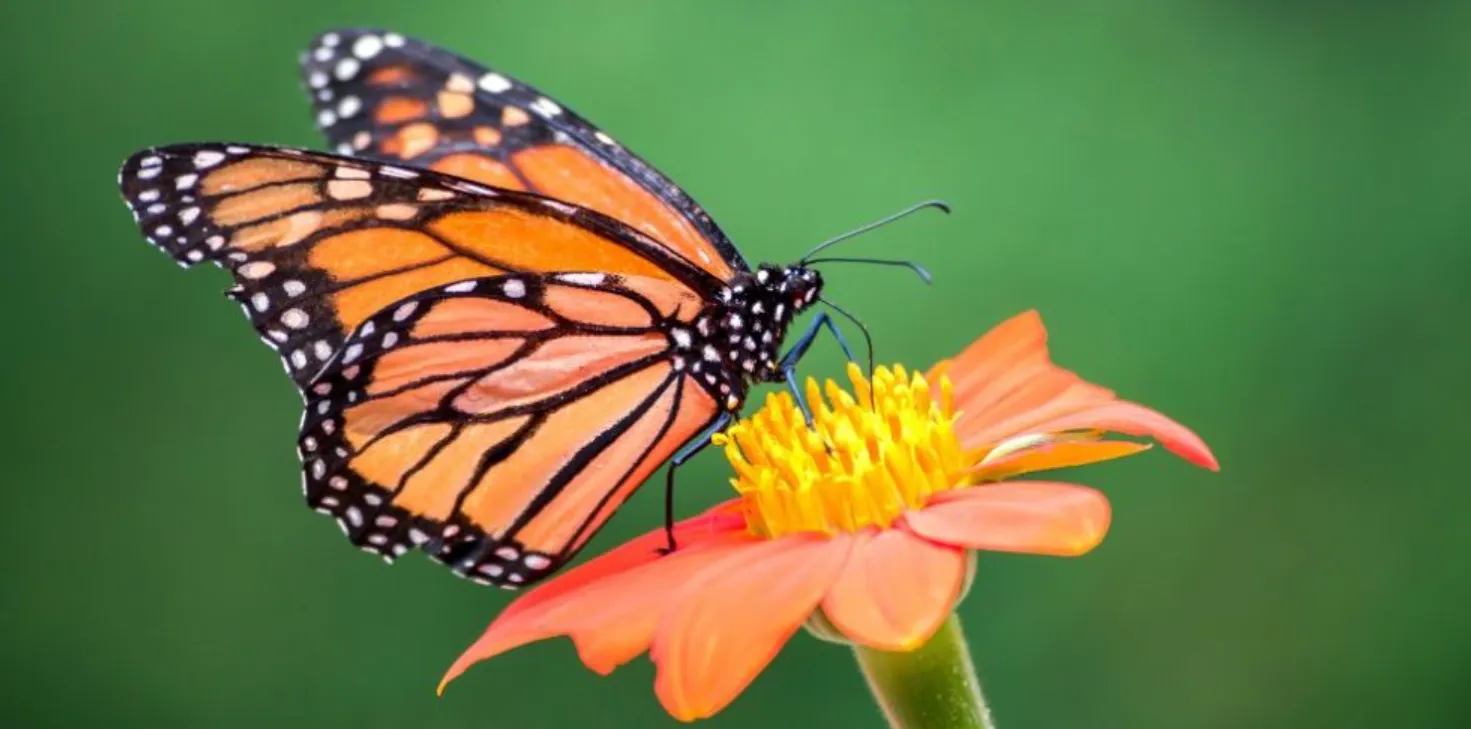
The life cycle of a monarch butterfly is one of nature’s most fascinating transformations. From a tiny egg to a vibrant orange-winged traveler, monarch butterflies undergo a remarkable process known as complete metamorphosis. This journey not only showcases biological beauty but also plays a crucial role in maintaining ecological balance.
Monarch butterflies are widely known for their long migrations, delicate wings, and reliance on milkweed plants. Each stage of their life cycle is carefully adapted for survival, growth, and reproduction. Understanding this process helps us appreciate why monarch populations are declining and what we can do to protect them.
Quick Answers (Most Common Questions)
1. How long is the life cycle of a monarch butterfly?
The complete life cycle takes about 4–8 weeks, depending on temperature and environmental conditions.
2. What are the stages of the monarch’s life cycle?
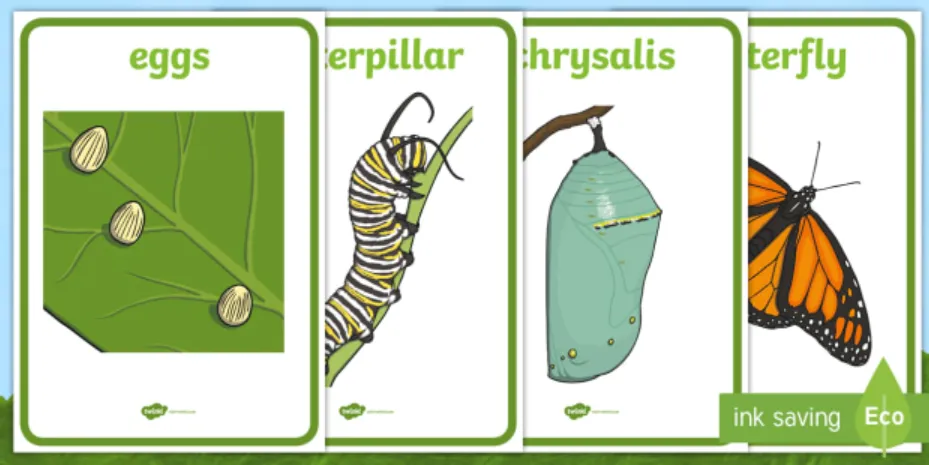
The four stages are: egg → larva (caterpillar) → pupa (chrysalis) → adult butterfly.
3. Why are monarch butterflies important?
They are vital pollinators and indicators of ecosystem health.
Quick Life Cycle Table
| Stage | Duration | Key Features | Purpose |
| Egg | 3–5 days | Tiny, white, oval-shaped | Beginning of life |
| Larva (Caterpillar) | 10–14 days | Striped body, eats milkweed | Growth and feeding |
| Pupa (Chrysalis) | 8–15 days | Green casing with gold spots | Transformation |
| Adult Butterfly | 2–6 weeks (longer for migratory generation) | Orange-black wings | Reproduction and migration |
The History Of Their Scientific Naming
The monarch butterfly has a rich scientific and historical background:
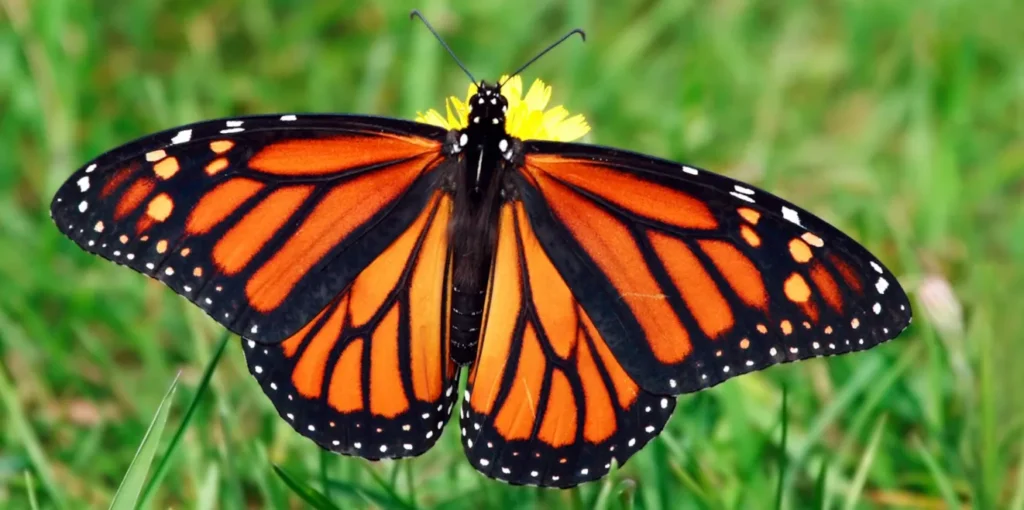
- The scientific name is Danaus plexippus, first classified by Carl Linnaeus in 1758.
- The genus Danaus derives from Greek mythology, referring to the daughters of Danaus and symbolizing transformation.
- The species name plexippus relates to a Greek figure, often associated with movement or travel—fitting for a migratory insect.
- The name “monarch” likely refers to King William III of England, also known as the Prince of Orange.
- Scientists categorize monarchs under the Nymphalidae family, known as brush-footed butterflies.
This naming reflects both scientific classification and cultural symbolism, highlighting their royal appearance and global significance.
Their Evolution And Their Origin
Monarch butterflies are believed to have originated in North and South America millions of years ago. Their evolution is closely tied to the development of milkweed plants, which became their primary food source.
Over time, monarch caterpillars evolved the ability to consume toxic milkweed without harm. This adaptation provided a significant survival advantage. The toxins stored in their bodies make both caterpillars and adult butterflies unpalatable to predators.
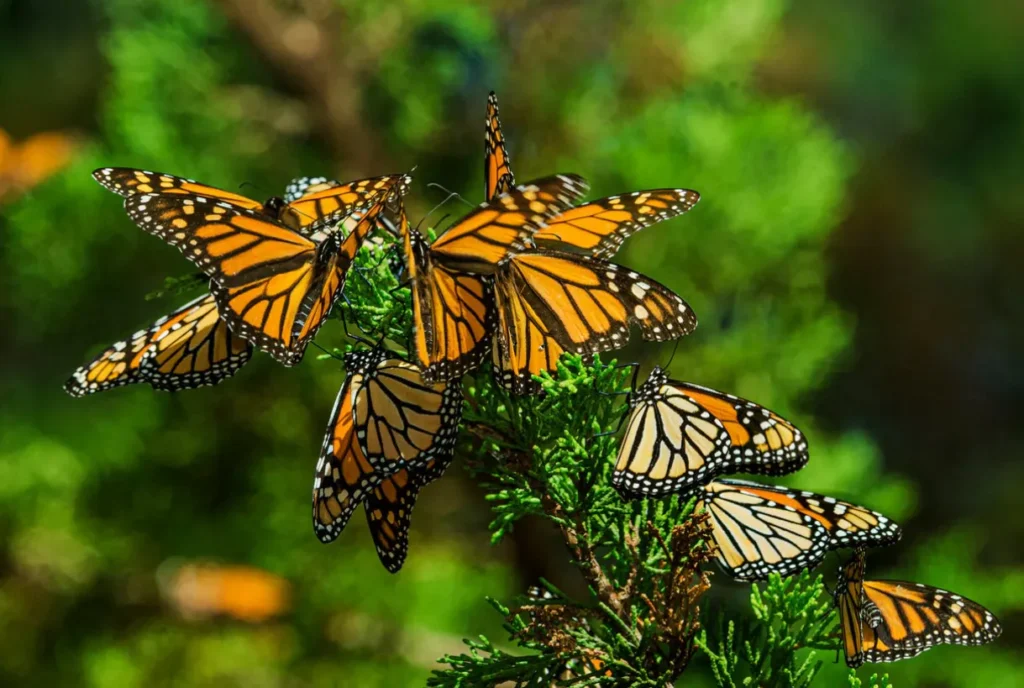
Migration is another evolutionary trait that sets monarchs apart. Unlike most butterflies, monarchs developed a multi-generational migration system, traveling thousands of kilometers between breeding and overwintering sites.
Climate changes, geographic expansion, and plant availability have shaped their distribution. Today, monarch butterflies are found across North America, parts of Europe, Australia, and Asia.
Their evolution provides a powerful example of co-adaptation, in which both the insect and its food source evolved together for mutual survival.
Their Main Food and Its Collection Process
Monarch butterflies depend heavily on specific plants for survival, especially during their larval stage.
Main Food Sources:
- Milkweed (Asclepias species) – Essential for caterpillars
- Nectar from flowers like:
- Goldenrod
- Lantana
- Zinnia
- Sunflowers
Food Collection Process:
- Female monarchs lay eggs exclusively on milkweed plants.
- After hatching, caterpillars immediately begin feeding on milkweed leaves.
- They consume large amounts to support rapid growth and store toxins.
- Adult butterflies use their proboscis (tube-like mouthpart) to sip nectar.
- Nectar provides energy for flight, reproduction, and migration.
Milkweed is not just food—it is critical for survival, making its conservation essential.
Their Life Cycle and Ability to Survive in Nature
Egg Stage
Female monarchs carefully place eggs on milkweed leaves. This ensures immediate access to food after hatching.
Larva (Caterpillar Stage)
Caterpillars grow rapidly, shedding their skin multiple times. They eat constantly and store energy.
Pupa (Chrysalis Stage)
Inside the chrysalis, the caterpillar transforms completely. This stage is highly vulnerable but protected by camouflage.
Adult Stage
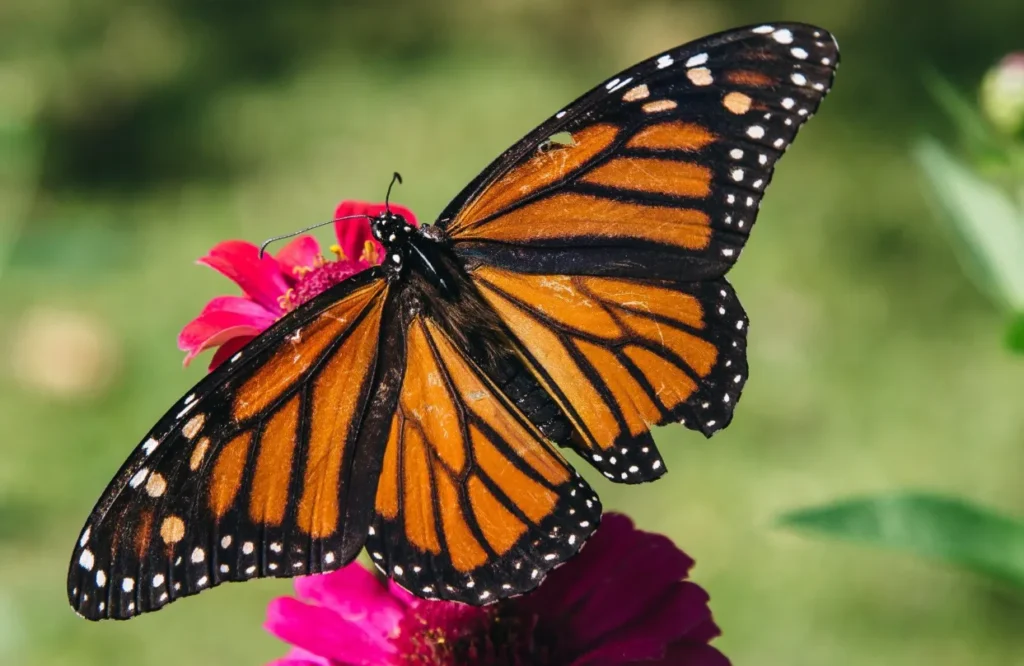
The butterfly emerges, dries its wings, and begins flying. Adults focus on feeding and reproduction.
Monarchs survive through adaptation, toxicity, and migration, making them one of nature’s most resilient species.
Important Things That You Need To Know
The monarch butterfly is not just about its life cycle—it connects with many broader concepts and keywords.
The term “monarch butterflies” refers to one of the most-studied insects due to their migration and ecological importance. Their transformation begins as monarch caterpillars, which play a crucial role in storing toxins and preparing for adulthood.
Interestingly, the word “monarch” appears in various contexts. For example, Monarch Mountain is a famous ski resort in Colorado, completely unrelated to butterflies, but sharing the same name. Similarly, monarch cast refers to actors in a TV drama series, again showing the word’s broader cultural usage.
Even digital platforms use the name, such as Monarch login, which may refer to financial or organizational tools. However, in biology, monarch always points to the butterfly species known for elegance and migration.
Understanding these LSI keywords helps distinguish between different meanings while reinforcing the primary focus on monarch butterflies.
Their Reproductive Process and Raising Their Children
Monarch reproduction is a carefully timed process:
- Males attract females using pheromones.
- Mating occurs during the breeding season.
- Females lay hundreds of eggs, one per leaf.
- Eggs are placed on milkweed for immediate nourishment.
- No parental care is provided after laying eggs.
- Survival depends on environmental conditions and food availability.
Each generation plays a role in migration, with some living longer to complete long journeys.
Importance of Them in this Ecosystem
Pollination Role
Monarch butterflies help pollinate flowers, supporting plant reproduction.
Food Chain Contribution
They serve as food for birds, insects, and small animals.
Biodiversity Indicator
Their population health reflects environmental conditions.
Plant Growth Support
They contribute to the spread of flowering plants.
Monarchs are essential for maintaining a balanced ecosystem.
What to Do to Protect Them in Nature and Save the System for the Future
- Plant native milkweed species in your area
- Avoid using harmful pesticides
- Support butterfly conservation programs
- Create butterfly-friendly gardens
- Protect migration routes and habitats
- Educate others about their importance
- Reduce climate impact by conserving energy
- Participate in citizen science projects
Frequently Asked Questions (FAQs)
1. What is the life cycle of a monarch butterfly?
It includes egg, larva, pupa, and adult stages.
2. How long does each stage last?
Egg (3–5 days), larva (10–14 days), pupa (8–15 days), adult (2–6 weeks).
3. Why do monarch caterpillars eat milkweed?
It provides nutrients and toxins for protection.
4. How far can monarch butterflies migrate?
Up to 3,000 miles.
5. Are monarch butterflies endangered?
Their population is declining due to habitat loss.
6. What do adult monarch butterflies eat?
They feed on flower nectar.
7. How many eggs does a monarch lay?
Around 300–500 eggs in a lifetime.
8. Can monarch butterflies survive without milkweed?
No, caterpillars depend entirely on milkweed.
Conclusion
The life cycle of a monarch butterfly is a powerful example of transformation, resilience, and ecological importance. From a fragile egg to a migrating adult, each stage plays a critical role in survival and reproduction.
Monarch butterflies are more than just beautiful insects—they are essential pollinators and indicators of environmental health. However, their populations are declining due to habitat loss, climate change, and pesticide use.
By understanding their life cycle and supporting conservation efforts, we can help protect these incredible creatures for future generations. Small actions, like planting milkweed or creating butterfly-friendly spaces, can make a significant difference.
Also Read About: a life cycle of a chick





Leave a Reply