
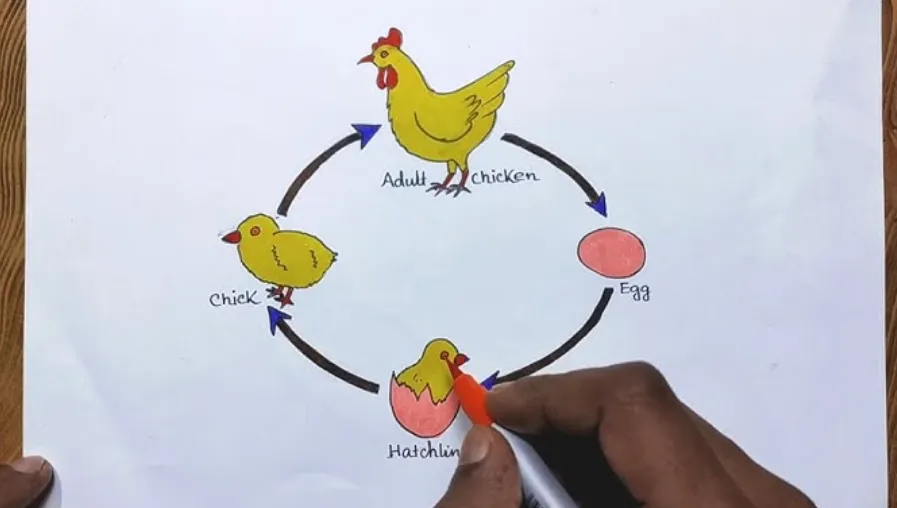
The life cycle of a hen is a fascinating journey that begins with a tiny egg and progresses through several well-defined stages until adulthood. Understanding this cycle is essential not only for farmers and poultry enthusiasts but also for anyone interested in animal biology, sustainability, or backyard farming. Hens play a crucial role in agriculture, ecosystems, and even household food systems.
From hatching as delicate chicks to growing into mature egg-laying hens, each stage is shaped by environmental factors, nutrition, and instincts. Whether it’s a domesticated hen in a hen house or a wild relative like a guinea hen, the process follows a similar biological pattern.
🔎 Quick Answers (Most Common Questions)
1. How long is the life cycle of a hen?
A hen’s life cycle typically spans 5–10 years, but egg-laying productivity is highest in the first 2–3 years.
2. How long does it take for a hen egg to hatch?
A fertilized egg takes about 21 days to hatch under proper incubation conditions.
3. When does a hen start laying eggs?
Most hens begin laying eggs at around 18–24 weeks of age, depending on breed and care.
Quick Life Cycle Table
| Stage | Duration | Key Characteristics |
| Egg | 21 days | The embryo develops inside the shell |
| Chick | 0–6 weeks | Rapid growth needs warmth and protection |
| Juvenile (Pullet) | 6–20 weeks | Feather development, increased activity |
| Adult Hen | 20+ weeks | Begins egg laying, reproductive maturity |
| Senior Hen | 3–10 years | Reduced egg production, slower metabolism |
The History Of Their Scientific Naming
The scientific naming of hens is rooted in biological classification and evolutionary studies. The domestic Hen, scientifically known as Gallus gallus domesticus, is a subspecies of the red junglefowl.
Key Points:
- The genus Gallus refers to junglefowl species found in South and Southeast Asia.
- The species name gallus is derived from Latin and means “rooster.”
- Domestic hens were classified as a subspecies due to selective breeding by humans.
- Early naturalists like Carl Linnaeus played a major role in the development of formal classification.
- Scientific naming helps distinguish domestic hens from their wild relatives, such as guinea fowl.
This classification system allows scientists to study their genetics, behaviour, and adaptation patterns. It also helps farmers understand breeding compatibility and disease resistance across poultry species.
Their Evolution And Their Origin
The evolution of hens traces back thousands of years to wild junglefowl in Southeast Asia. Archaeological evidence suggests that domestication began around 8,000 years ago in regions like India, China, and Thailand.
Initially, these birds were not raised for food but for cockfighting and religious rituals. Over time, humans discovered their value for eggs and meat, leading to selective breeding.
Modern hens evolved through:
- Natural selection in wild environments
- Human-driven breeding for productivity
- Adaptation to diverse climates worldwide
The red junglefowl remains the closest wild ancestor. However, modern breeds like Cornish hens have been selectively bred for meat production.
As hens spread globally, they adapted to different ecosystems—from tropical forests to cold climates. This adaptability is a key reason for their global success.
Today, hens are among the most widespread domesticated animals, playing a critical role in food systems worldwide.
Their Main Food and Its Collection Process
Hens are omnivorous birds with a highly adaptable diet. Their feeding behaviour plays a vital role in both their survival and the balance of the ecosystem.
🥗 Main Food Sources:
- Grains (corn, wheat, barley)
- Seeds and grasses
- Insects and worms
- Kitchen scraps
- Small reptiles or amphibians (rare cases)
🐾 Food Collection Process:
- Scratching Behaviour: Hens use their claws to scratch soil and uncover food.
- Pecking Instinct: They peck rapidly to pick up grains or insects.
- Foraging: Free-range hens roam and explore for natural food sources.
- Social Feeding: Hens often feed in groups, learning from each other.
This feeding method not only sustains them but also benefits agriculture by controlling pests and aerating soil.
Proper nutrition is crucial for egg production and overall health. A balanced diet ensures strong eggshells and improved immunity.
Their Life Cycle and Ability to Survive in Nature
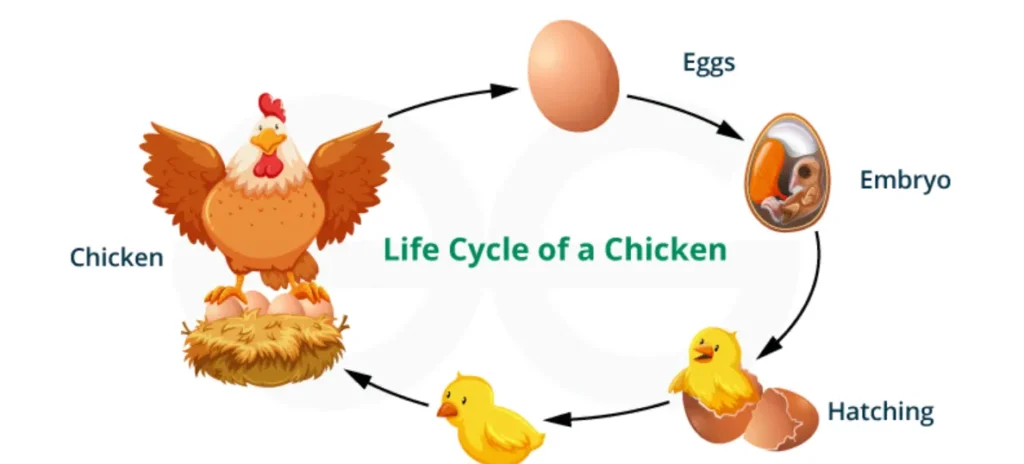
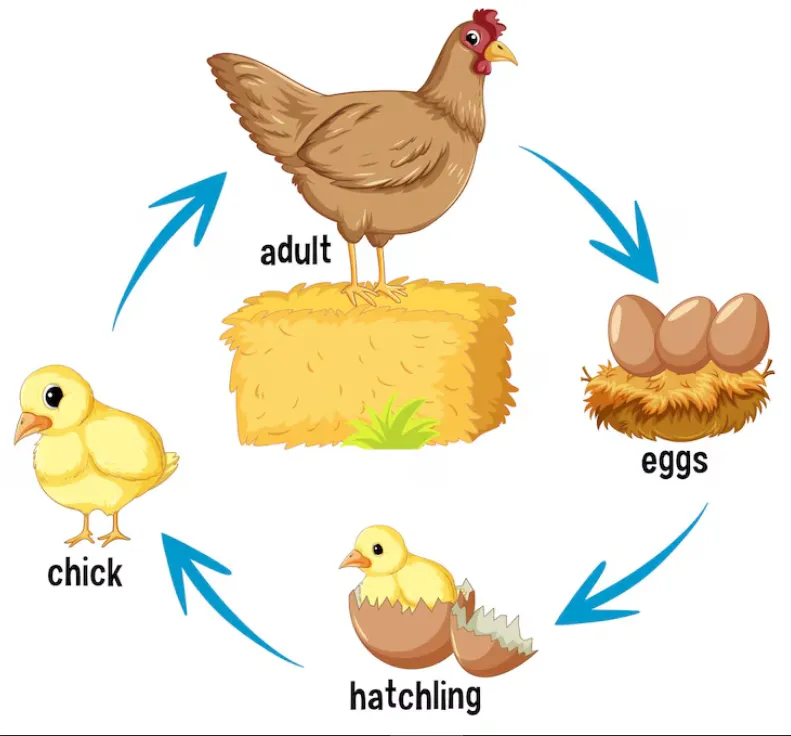
🥚 Egg Stage
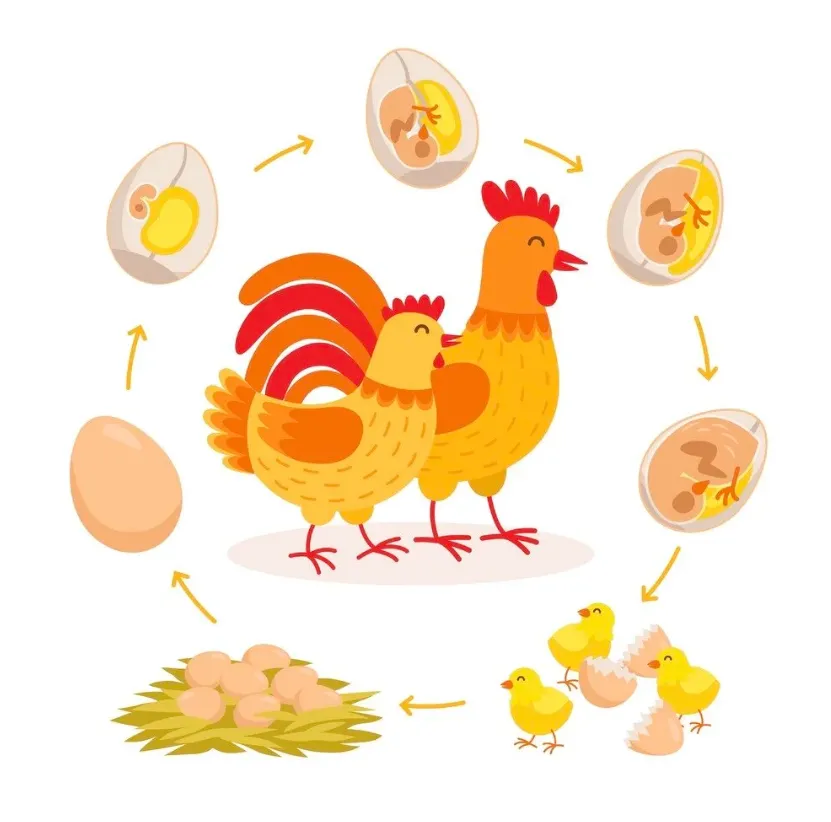
The cycle begins with a fertilized egg. Inside, the embryo develops over 21 days, relying on nutrients stored in the yolk.
🐣 Chick Stage
Newly hatched chicks are fragile but grow rapidly. They depend on warmth and protection from predators.
🐥 Juvenile Stage
Young hens (pullets) develop feathers and learn survival skills, such as foraging and social interaction.
🐔 Adult Stage
Adult hens become fully independent. They adapt to environmental changes and begin reproduction.
🌿 Survival Abilities
- Strong instinct to detect predators
- Ability to adapt diet based on availability
- Social hierarchy (pecking order) for protection
- Rapid reproduction ensures species continuity
These traits make hens resilient in both wild and domestic settings.
Important Things That You Need To Know
Understanding related terms helps deepen your knowledge of hens and poultry.
🌟 Key LSI Keywords Explained
🐔 Hen
A hen is a mature female chicken known for laying eggs and nurturing chicks.
🍗 Cornish Hen
A Cornish hen is a young chicken breed raised specifically for meat. It is tender and often used in premium dishes.
🍽️ Cornish Hen Recipe
Popular recipes include roasted Cornish hen with herbs and spices, offering rich flavour and high protein.
🍄 Hen of the Woods
Despite the name, this is actually a mushroom (Grifola frondosa), valued for its nutritional and medicinal benefits.
🐦 Guinea Hen
A guinea hen is a different bird species known for its loud calls and pest-control abilities.
🏡 Hen House
A hen house is a shelter designed to protect hens from predators and harsh weather.
These terms expand your understanding of poultry and related concepts in agriculture and cuisine.
Their Reproductive Process and Raising Their Children
Hens reproduce through egg-laying, but fertilization requires a rooster.
🐣 Reproductive Process:
- Mating occurs between the rooster and the Hen
- Fertilized eggs develop embryos
- Incubation lasts about 21 days
🐥 Raising Chicks:
- Mother hens (broody hens) sit on eggs to keep them warm
- After hatching, chicks follow the Hen for food and protection
- Hens teach chicks how to forage and avoid danger
🛡️ Protective Behaviour:
- Hens become highly defensive
- Use vocal signals to warn chicks
- Provide warmth under wings
This nurturing behaviour increases survival rates and ensures the continuation of the species.
Importance of Them in this Ecosystem
🌱 Soil Health
Hens improve soil quality by scratching and fertilizing the land naturally.
🐛 Pest Control
They consume insects, reducing the need for chemical pesticides.
🌾 Agricultural Support
Farmers rely on hens for eggs, meat, and sustainable farming practices.
🔄 Nutrient Cycling
Chicken manure enriches soil with essential nutrients.
🌍 Biodiversity Balance
Hens help maintain ecological balance by controlling pests and contributing to food chains.
Their role extends beyond farming into environmental sustainability.
What to Do to Protect Them in Nature and Save the System for the Future
- Provide safe and clean hen houses to protect them from predators
- Ensure access to clean water and balanced nutrition
- Avoid overuse of antibiotics in poultry farming
- Promote free-range farming practices
- Protect the natural habitats of wild relatives
- Support ethical and sustainable poultry farming
- Educate communities about proper poultry care
- Reduce environmental pollution affecting their habitats
- Encourage biodiversity conservation
- Monitor diseases and maintain hygiene
These steps help ensure the long-term survival and sustainability of hens.
Frequently Asked Questions (FAQs)
1. What are the stages of a hen’s life cycle?
Egg, chick, juvenile (pullet), adult, and senior stages.
2. How many eggs can a hen lay per year?
Around 250–300 eggs, depending on breed and care.
3. Do hens need a rooster to lay eggs?
No, but fertilization requires a rooster.
4. What is the lifespan of a hen?
Typically 5–10 years.
5. What do hens eat naturally?
Grains, insects, seeds, and plants.
6. What is a broody hen?
A hen that sits on eggs to incubate them.
7. How do hens protect themselves?
Through instincts, flock behaviour, and alertness.
8. What is the difference between a hen and a chicken?
“Chicken” is a general term; “hen” specifically refers to adult females.
Conclusion
The life cycle of a hen is a remarkable process that highlights nature’s efficiency and adaptability. From a tiny egg to a fully grown hen capable of reproduction, each stage is essential for survival and sustainability.
Hens are not just farm animals—they are vital contributors to ecosystems, agriculture, and food security. Their ability to adapt, reproduce, and coexist with humans makes them one of the most valuable domesticated species.
By understanding their life cycle, feeding habits, and ecological importance, we can better care for them and ensure sustainable practices for the future. Protecting hens ultimately means protecting a crucial part of our global food system and natural environment.
Also Read About: life cycle a mosquito





Leave a Reply