
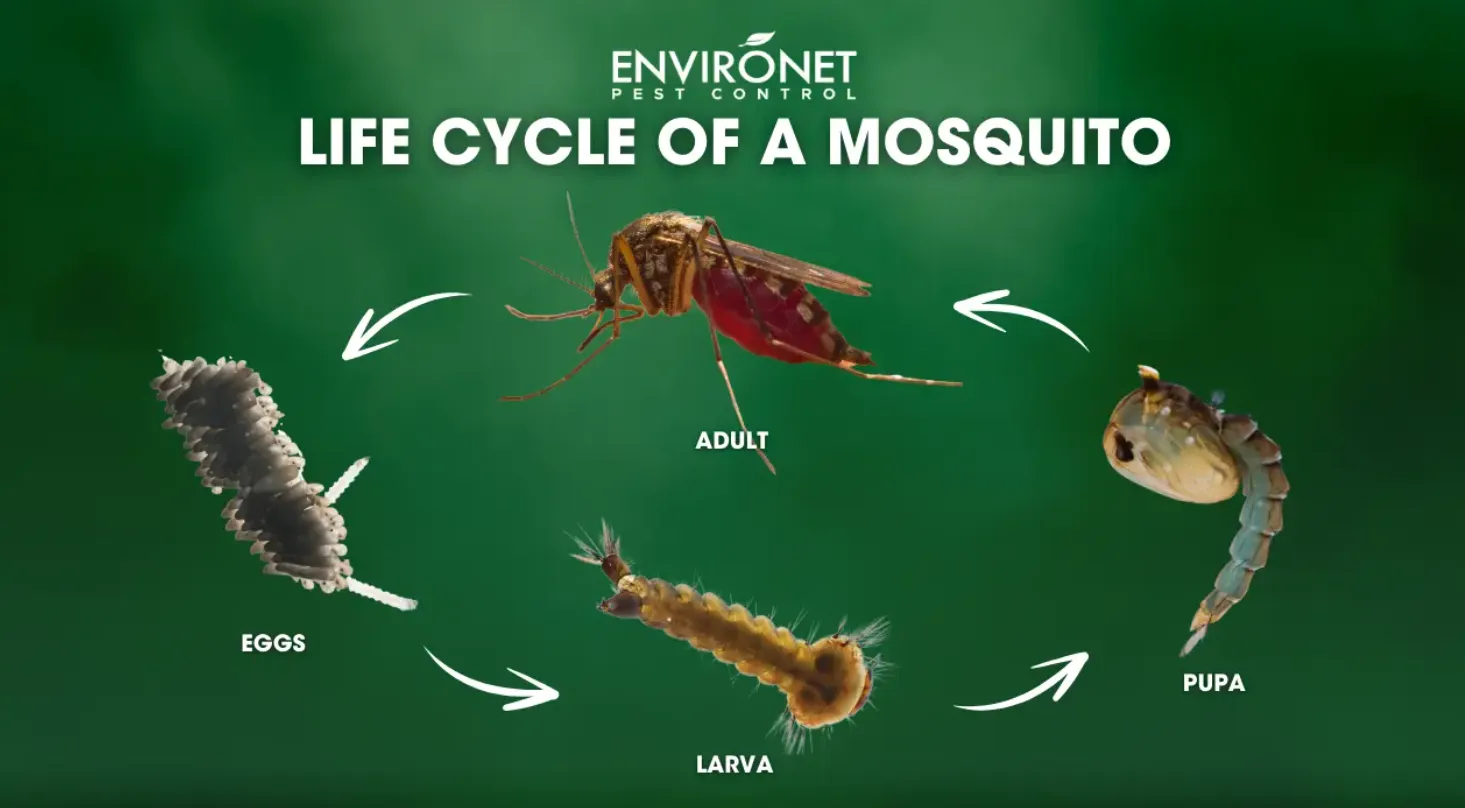
The life cycle of a mosquito is one of the most fascinating yet misunderstood processes in the natural world. Mosquitoes are small insects, but their impact on ecosystems—and even human health—is enormous. Understanding how mosquitoes grow, reproduce, and survive can help us better control their populations and appreciate their ecological importance.
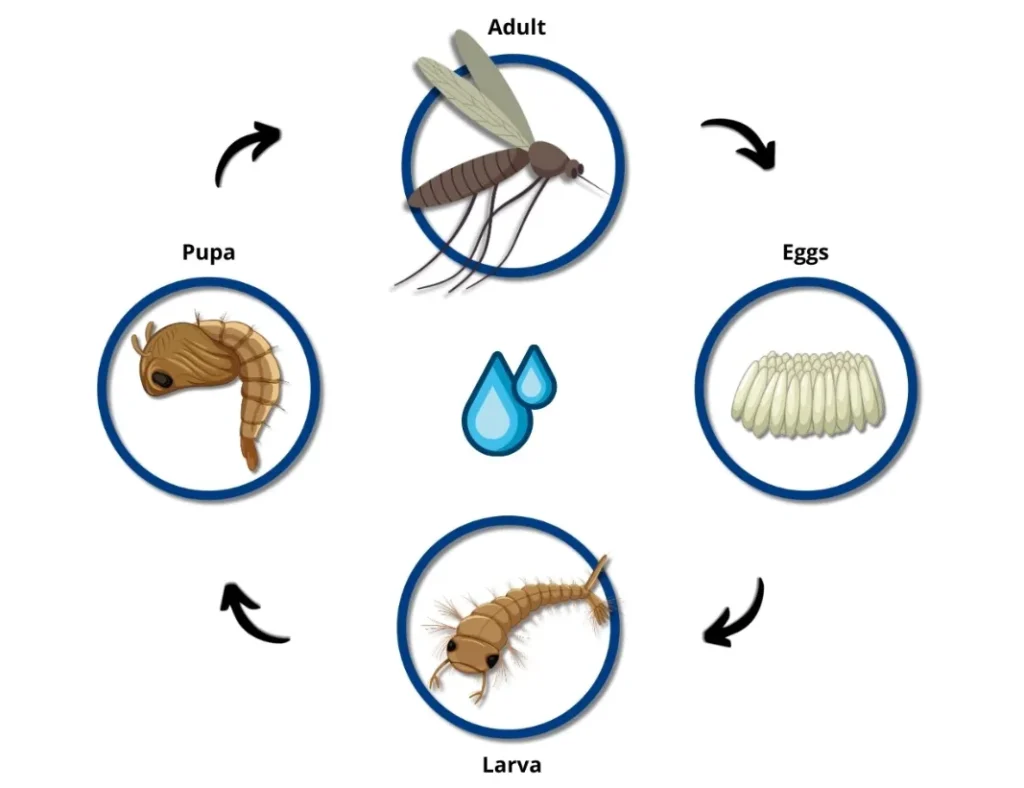
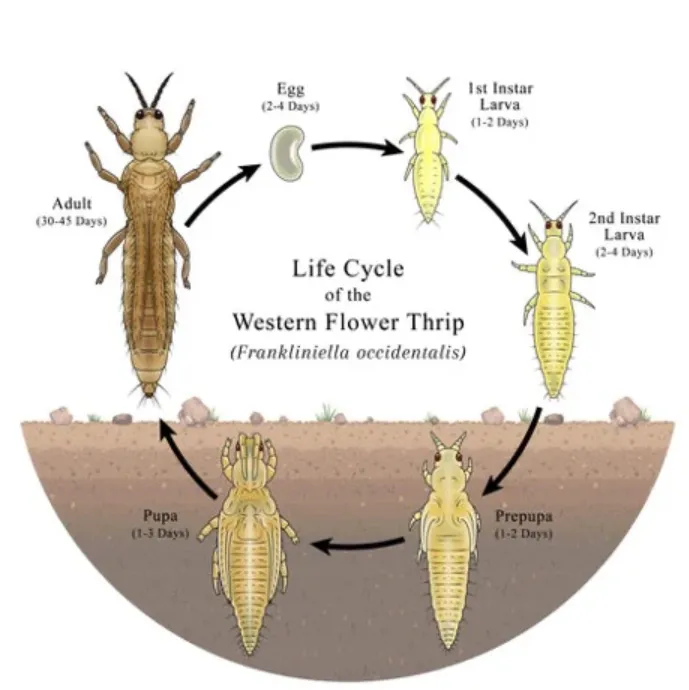
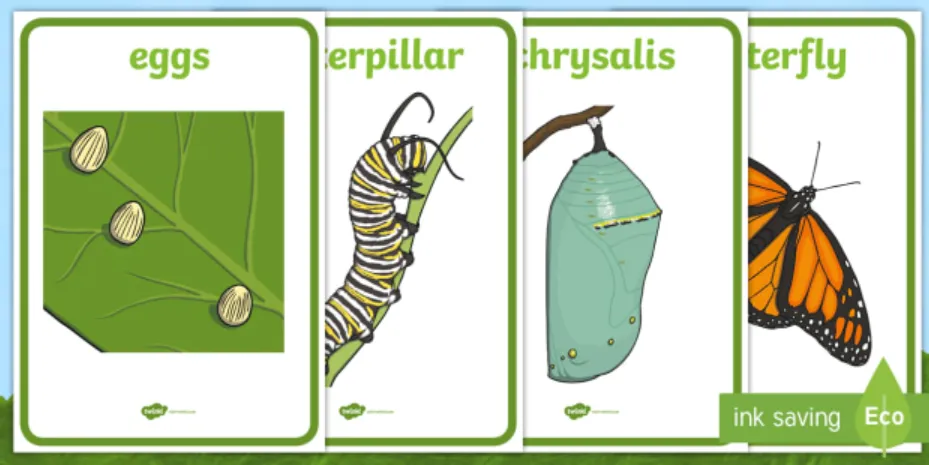
Mosquitoes go through four distinct stages: egg, larva, pupa, and adult. This complete metamorphosis allows them to adapt to different environments at each stage, increasing their survival chances. From stagnant water bodies to humid forests, mosquitoes thrive in a wide range of habitats worldwide.
Despite being known for spreading diseases, mosquitoes also play roles in Pollination and as food sources for other species. Learning about their life cycle not only helps in mosquito control but also deepens our understanding of biodiversity.
✅ Quick Answers (Most Common Questions)
1. How long is the life cycle of a mosquito?
Typically, it takes 7–14 days for a mosquito to complete its life cycle, depending on temperature and species.
2. Where do mosquitoes lay their eggs?
Mosquitoes usually lay eggs in standing water, such as ponds, puddles, or containers.
3. Do all mosquitoes bite humans?
No, only female mosquitoes bite, as they need blood to develop their eggs.
Quick Life Cycle Table
| Stage | Duration | Key Features | Habitat |
| Egg | 1–3 days | Laid on water or moist surfaces | Water |
| Larva | 5–7 days | Active feeding stage, called “wrigglers.” | Water |
| Pupa | 2–3 days | Non-feeding stage, transformation phase | Water |
| Adult | 1–2 weeks | Flying insect, reproduction stage | Air & Land |
The History Of Their Scientific Naming
The scientific classification of mosquitoes has evolved over centuries as scientists studied their structure and behavior.
- The term “mosquito” originates from Spanish, meaning “little fly.”
- Mosquitoes belong to the family Culicidae, identified by entomologists in the 18th century.
- Early taxonomists, such as Carl Linnaeus, contributed to the naming of species, including Culex pipiens.
- Over time, scientists categorized mosquitoes into genera like Anopheles, Aedes, and Culex, each with distinct traits.
- The genus Anopheles is especially important due to its role in malaria transmission.
- Modern genetic studies have refined classification, identifying over 3,500 species worldwide.
- Scientific naming helps researchers track disease vectors and develop control strategies.
This evolving taxonomy reflects advancements in biology and highlights the importance of mosquitoes in scientific research.
Their Evolution And Their Origin
Mosquitoes are ancient insects with a history dating back over 100 million years. Fossil evidence suggests they existed during the age of dinosaurs.
Originally, mosquitoes likely evolved from non-biting midges. Over time, some species developed the ability to feed on blood, which provided essential proteins for reproduction. This adaptation gave them a survival advantage.
Environmental changes, such as the spread of flowering plants and vertebrates, influenced mosquito evolution. As mammals and birds diversified, mosquitoes adapted to feed on a wider range of hosts.
Their lightweight bodies, specialized mouthparts, and rapid life cycles allowed them to spread across continents. Today, mosquitoes are found in almost every part of the world, except extreme polar regions.
Evolution has also made mosquitoes highly resilient. They can survive in polluted water, adapt to urban environments, and resist many control measures.
This long evolutionary journey explains why mosquitoes remain one of the most successful insect groups on Earth.
Their Main Food and Its Collection Process
Mosquitoes have different feeding habits depending on their life stage and gender.
- Larvae Feeding:
- Larvae feed on microorganisms, algae, and organic debris in water. They filter food using specialized mouthparts.
- Adult Male Diet:
- Male mosquitoes primarily consume nectar and plant juices. They do not bite humans.
- Adult Female Diet:
- Female mosquitoes feed on both nectar and blood. Blood provides proteins needed for egg development.
- How They Collect Food:
- Females detect hosts through carbon dioxide and body heat.
- They use a proboscis to pierce skin and suck blood.
- Saliva prevents blood clotting during feeding.
- Adaptation:
- Their feeding strategy allows them to survive in diverse environments and ensures reproductive success.
Their Life Cycle and Ability to Survive in Nature
🧬 Egg Stage
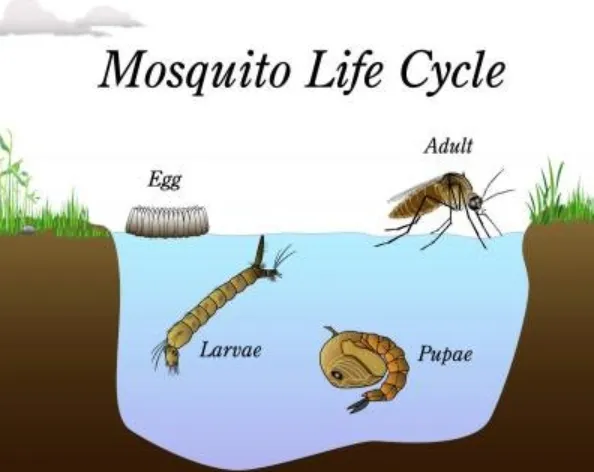
Female mosquitoes lay eggs in or near water. Some species lay eggs in clusters called rafts, while others lay single eggs.
🐛 Larval Stage
Larvae, known as “wrigglers,” live in water and feed continuously. They breathe through tubes at the surface.
🦋 Pupal Stage
The pupal stage is a resting phase. Although they do not feed, pupae remain active and responsive to movement.
🦟 Adult Stage
Adults emerge from the pupal case and begin flying. Within a few days, they start mating and feeding.
Mosquitoes survive due to their adaptability. They can breed in tiny water sources and develop quickly, making them difficult to control.
Their Reproductive Process and Raising Their Children
Mosquito reproduction is efficient and rapid.
- Mating Behavior:
- Male mosquitoes form swarms, and females enter these swarms to mate.
- Egg Development:
- After feeding on blood, females develop eggs within a few days.
- Egg Laying:
- Females lay hundreds of eggs at once, increasing survival chances.
- Parental Care:
- Mosquitoes do not care for their offspring after laying eggs.
- High Reproduction Rate:
- Multiple generations can occur within a single season.
- Environmental Influence:
- Warm temperatures and water availability boost reproduction.
This strategy ensures the survival of mosquito populations despite predators and environmental challenges.
Importance of Them in This Ecosystem
🌿 Pollination
Mosquitoes help pollinate plants by feeding on nectar, contributing to plant reproduction.
🐟 Food Chain
They serve as food for fish, birds, frogs, and other insects.
🌍 Nutrient Cycling
Larvae help break down organic matter in water, aiding nutrient recycling.
🧬 Scientific Research
Mosquitoes are studied extensively for disease control and ecological research.
Despite their negative reputation, mosquitoes play essential roles in maintaining ecological balance.
Important Things That You Need To Know
Understanding related terms and tools can help manage mosquito populations effectively.
🔍 Key Insights About Mosquito Control and Awareness
The fight against mosquitoes has led to the development of various solutions and awareness campaigns worldwide.
- Mosquito Dunks:
- These are biological control tools that kill mosquito larvae without harming other wildlife.
- Mosquito Hawk:
- Often mistaken for mosquito predators, these insects (crane flies) do not actually eat mosquitoes.
- Natural Mosquito Repellent:
- Plant-based options like citronella, neem oil, and eucalyptus help repel mosquitoes safely.
- Best Mosquito Repellent:
- Products containing DEET, picaridin, or oil of lemon eucalyptus are considered highly effective.
- Seychelles Mosquito Virus Outbreak:
- Regions like Seychelles have faced outbreaks of mosquito-borne diseases, highlighting the need for global awareness and control measures.
Understanding these terms helps individuals make informed decisions about mosquito prevention and safety.
What to Do to Protect Them in Nature and Save the System for the Future
While controlling mosquitoes is important, preserving ecological balance is equally essential.
- Avoid excessive use of harmful pesticides.
- Use eco-friendly solutions like mosquito dunks.
- Protect wetlands and natural habitats.
- Promote biodiversity to maintain natural predators.
- Educate communities about sustainable mosquito control.
- Encourage research into environmentally safe repellents.
- Maintain clean water systems without destroying ecosystems.
- Support conservation programs that balance control and ecology.
Frequently Asked Questions (FAQs)
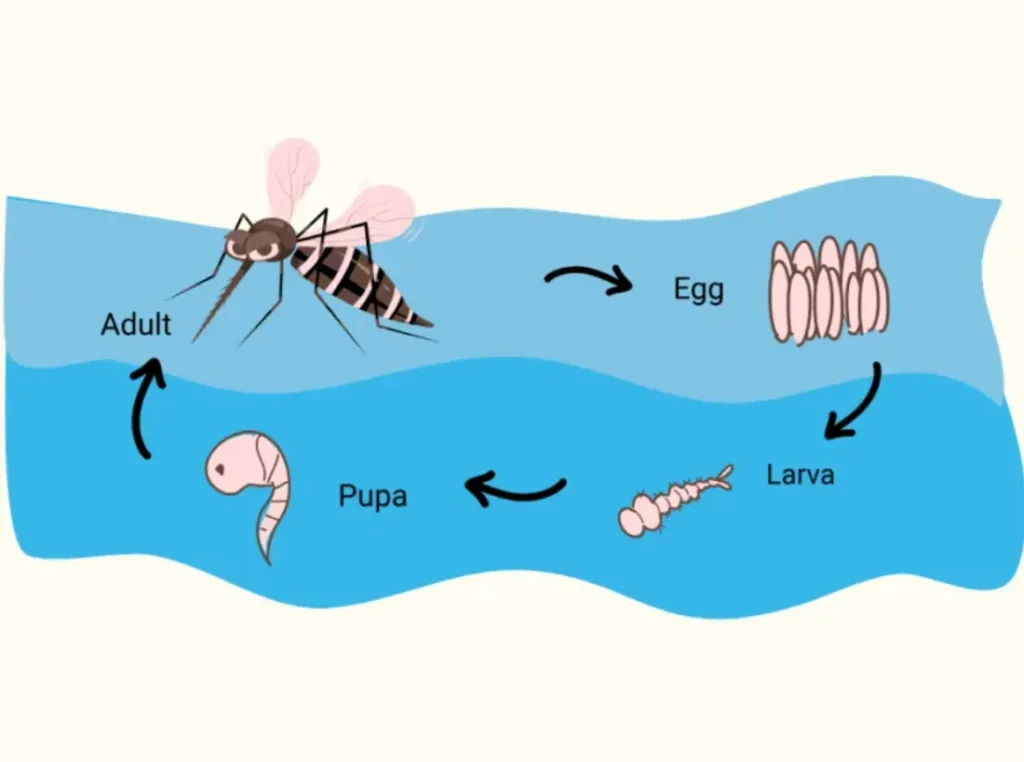
1. What are the 4 stages of a mosquito’s life cycle?
Egg, larva, pupa, and adult.
2. How long do mosquitoes live?
Most live between 1 and 2 weeks, though some can survive longer.
3. Why do mosquitoes need blood?
Females need blood proteins to develop eggs.
4. Can mosquitoes survive without water?
No, water is essential for their early life stages.
5. What kills mosquito larvae naturally?
Predators, bacteria, and products like mosquito dunks.
6. Are mosquito hawks dangerous?
No, they are harmless and do not bite.
7. What is the best natural mosquito repellent?
Citronella, neem oil, and eucalyptus are effective options.
8. Why are mosquito outbreaks increasing globally?
Climate change, urbanization, and poor sanitation contribute to their spread.
Conclusion
The life cycle of a mosquito is a remarkable example of adaptation and survival. From tiny eggs in water to flying adults, mosquitoes complete their life cycle quickly and efficiently. Their ability to reproduce rapidly and thrive in diverse environments makes them one of the most resilient insects on Earth.
While mosquitoes are often seen as pests for their role in spreading disease, they are also vital to ecosystems. They contribute to Pollination, serve as food for many animals, and help maintain ecological balance.
Understanding their life cycle allows us to manage their populations responsibly without harming the environment. By combining scientific knowledge with sustainable practices, we can reduce their negative impact while preserving their ecological role.
Also Read About: cycle life of mosquito





Leave a Reply