
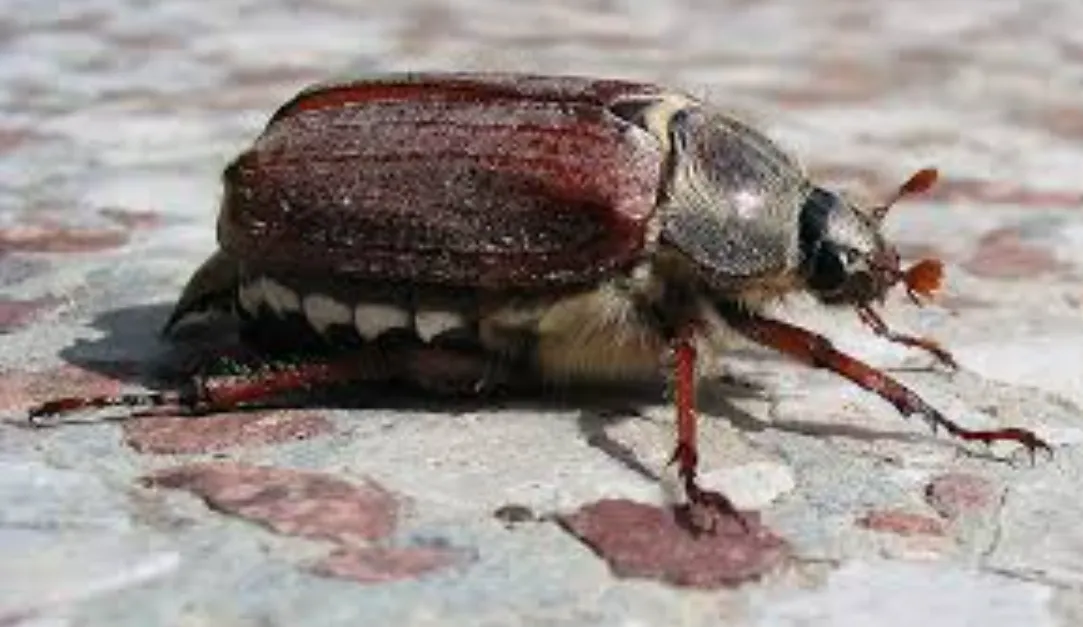
Beetles are among the most diverse creatures on Earth, with over 350,000 species classified under the order Coleoptera. They can be found in almost every environment, from forests to deserts and even your backyard. Beetles play crucial roles in the ecosystem, from pollination to decomposition. But what exactly is the life cycle of a beetle, and how does it differ across species such as the stag beetle, dung beetle, bombardier beetle, rhino beetle, blister beetle, and carpet beetle?
In this article, we will explore the complete life cycle of a beetle, uncovering their evolution, food sources, reproductive processes, and much more. Along the way, we will address some of the most common questions that people ask about beetles, such as:
- What stages does a beetle go through in its life cycle?
- How long does a beetle live?
- What are some of the most interesting types of beetles, and how do they differ?
By the end of this article, you’ll have a better understanding of the incredible life cycle of beetles and their significance to our world.
Quick Life Cycle Table
| Life Cycle Stage | Duration | Description |
| Egg | 1-4 weeks | Beetles begin life as tiny eggs laid by adult beetles, typically in hidden areas. |
| Larva | 2-6 months | The larval stage is when the beetle is most vulnerable, as it feeds and grows. |
| Pupa | 1-3 weeks | This is a transitional stage during which the beetle undergoes metamorphosis into an adult. |
| Adult | 1-3 years | The final stage is where the beetle is fully developed and begins to reproduce. |
The History of Their Scientific Naming
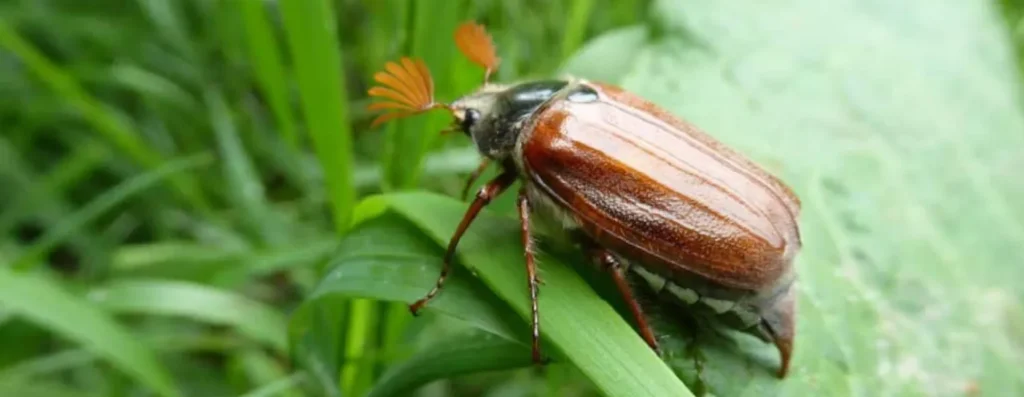
The scientific naming of beetles is rooted in Latin and Greek and follows the binomial nomenclature system introduced by Carl Linnaeus in the 18th century. The genus name is capitalized, while the species name is in lowercase, often reflecting characteristics or habitats. For example, Cucujus clavipes, a common species, comes from the Latin words “Cucujus,” meaning “to shine” (describing its glossy body), and “clavipes,” meaning “club-foot,” referring to the shape of its legs.
Their Evolution and Origin
Beetles have been around for millions of years, with fossil evidence showing they first appeared during the Permian period, around 300 million years ago. This ancient lineage evolved in the vast forests that once covered much of the Earth. Over time, beetles adapted to different environments, which led to the vast diversity of species we see today. Fossils indicate that early beetles were not as specialized as modern beetles, but through natural selection, they developed various adaptations such as hard exoskeletons, specialized mouthparts, and wings for flight.
Their evolutionary success stems from their ability to thrive across diverse ecological niches. Some beetles became scavengers, feeding on decaying plant and animal matter, while others evolved as predators or even pollinators. The evolution of beetles is a testament to their ability to adapt to a wide range of environments, making them one of the most successful insect groups on Earth.
Their Main Food and Its Collection Process
Beetles have highly varied diets depending on the species. Here are some of the main food sources for different types of beetles:
- Dung Beetles: These beetles are nature’s cleanup crew. They feed primarily on feces, often those of herbivores, using their specialized mouthparts to collect dung and roll it into balls for consumption or for burrowing. Dung beetles play a vital role in recycling nutrients back into the soil.
- Carpet Beetles: These beetles feed on organic materials found in carpets, upholstery, and other fabrics. They are particularly attracted to animal-based materials like wool, feathers, and silk.
- Stag Beetles: Stag beetles are primarily herbivorous, feeding on decaying wood, leaves, and fruit. Their large mandibles are used in combat for territory and mate selection, not for feeding.
- Blister Beetles: These beetles are carnivorous, feeding on other insects and plants. Some species of blister beetles can secrete toxic chemicals as a defense mechanism.
Their Life Cycle and Ability to Survive in Nature
Life Cycle and Survival
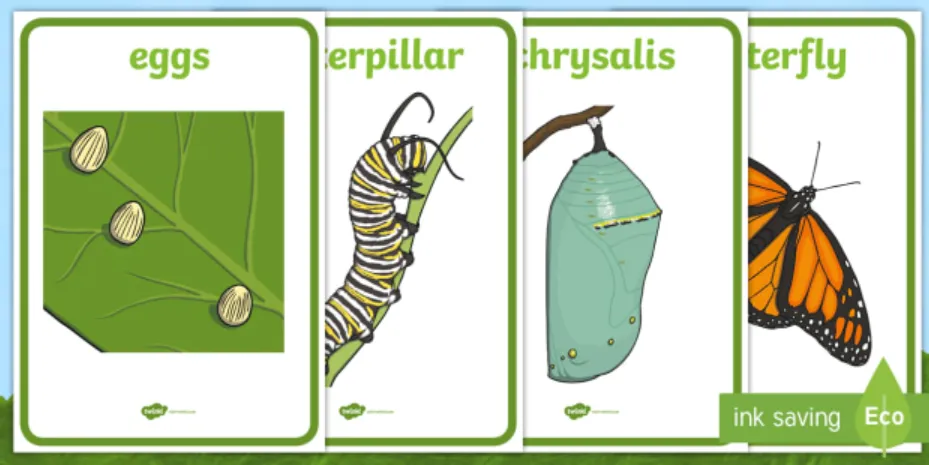
Beetles undergo a complete metamorphosis, consisting of four stages: egg, larva, pupa, and adult. Each stage presents unique challenges and survival strategies. The larval stage is when the beetle is most vulnerable, but it also prepares for its transition to adulthood through feeding and growth. The pupal stage is crucial for the beetle’s survival during metamorphosis. In the adult stage, beetles are equipped with wings (in many species) and strong exoskeletons to survive in the wild. Their ability to adapt to various environments, such as deserts, forests, and grasslands, contributes significantly to their survival.
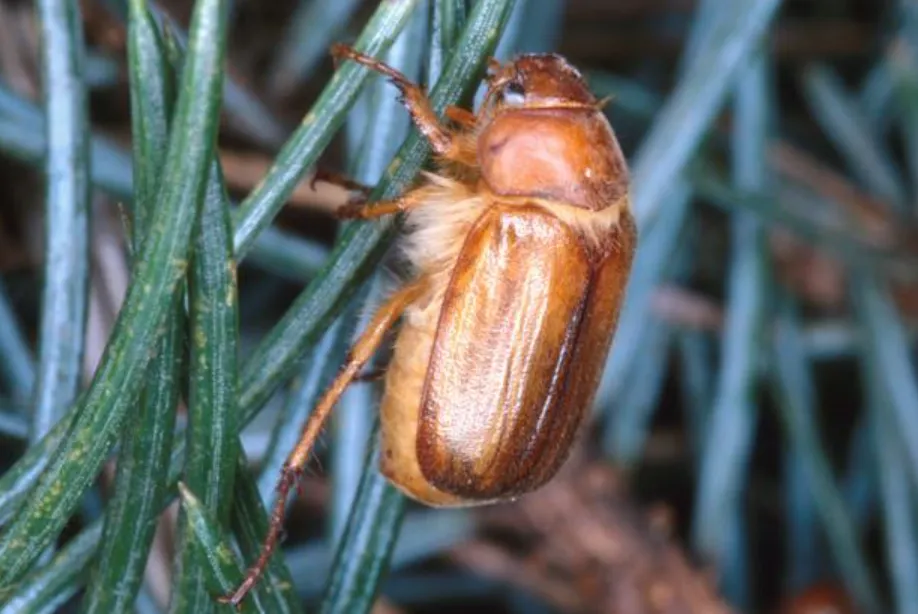
Their Reproductive Process and Raising Their Children
- Mating Rituals: Most beetles engage in unique mating rituals. For example, stag beetles engage in battles using their massive jaws to attract mates, while dung beetles use pheromones to signal their readiness to mate.
- Egg Laying: Once a female beetle mates, she lays her eggs in a suitable environment that will provide her offspring with adequate food. Dung beetles lay their eggs in dung balls, ensuring that the larvae will have a ready food source upon hatching.
- Larval Care: In most species, beetles do not provide parental care for their larvae. However, dung beetles often seal their eggs in dung balls, providing the larvae with a safe, nutrient-rich environment in which to hatch.
Importance of Them in This Ecosystem
Beetles play crucial roles in maintaining ecological balance. Here are some of their key contributions:
- Pollination: Certain species of beetles, such as the rhino beetle, contribute to pollination by transferring pollen as they move from flower to flower.
- Decomposition: Beetles, particularly dung beetles, help break down organic matter, turning decaying materials into nutrient-rich soil.
- Food Source: Beetles serve as an important food source for a wide variety of predators, including birds, frogs, and mammals.
What to Do to Protect Them in Nature and Save the System for the Future
To help protect beetles and their environment, here are some actions you can take:
- Preserve Their Habitats: Ensure that natural habitats, such as forests and grasslands, are preserved and not overdeveloped.
- Avoid Pesticides: Reduce the use of harmful pesticides and chemicals that can harm beetles and other beneficial insects.
- Plant Native Plants: Native plants support local beetle populations by providing food and shelter.
- Encourage Biodiversity: Support sustainable farming and gardening practices that encourage the survival of a diverse range of species.
Frequently Asked Questions (FAQs)
- What is the life cycle of a beetle?
- The beetle’s life cycle consists of four stages: egg, larva, pupa, and adult.
- How long do beetles live?
- The lifespan of a beetle can vary widely by species, but it typically ranges from 1 to 3 years.
- What do beetles eat?
- Beetles’ diets vary, but many are herbivores, carnivores, or decomposers—some feed on plants, others on other insects or organic matter.
- How do beetles reproduce?
- Beetles mate in unique rituals, and females lay eggs in suitable environments for their larvae to thrive.
- What are the types of beetles?
- Common types include stag beetles, dung beetles, bombardier beetles, rhino beetles, blister beetles, and carpet beetles.
- Are beetles important for pollination?
- Yes, some beetle species are essential pollinators of various plants and flowers.
- How can I protect beetles?
- You can protect beetles by preserving their natural habitats, reducing pesticide use, and planting native plants.
- Why are beetles so important for the ecosystem?
- Beetles are vital for pollination, decomposition, and as a food source for other animals.
Conclusion
The life cycle of a beetle is a fascinating journey that spans from egg to adult, involving multiple transformations. Beetles are not only crucial players in the ecosystem, but they also offer insight into the complex and dynamic processes of evolution and survival. By understanding the different types of beetles, their life cycles, and their importance to the environment, we can better appreciate these remarkable creatures and work towards preserving them for future generations.
Also Read: moss life cycle





Leave a Reply