
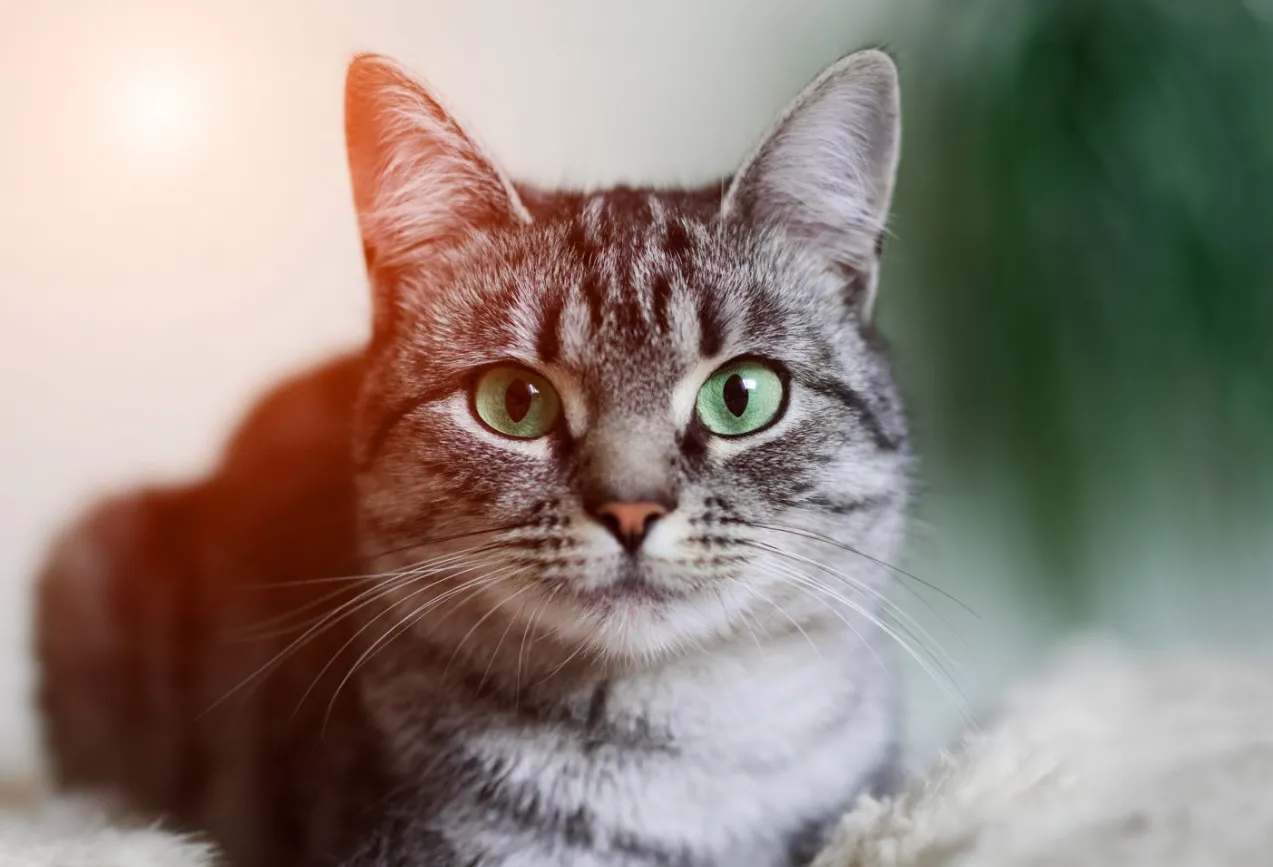
Cats, both domesticated and wild, have long been a beloved part of human society, but their life cycles and relationships with other creatures, such as fleas, are less well understood. The life cycle of cats is an intricate process that involves various stages from birth to maturity, and their journey offers fascinating insights into their biology. A crucial part of a cat’s life cycle is its interaction with external parasites, notably cat fleas, which often accompany domestic felines. These pests not only impact cats but also have an essential role in the broader ecosystem.
In this article, we will delve into the life cycle of cats, exploring the stages they go through from kittenhood to adulthood and how they interact with parasites such as fleas. We’ll also look into how these fleas reproduce, survive, and thrive, particularly in places like the UK. Whether you are a cat owner, enthusiast, or simply curious, this article will provide the information you need to understand better the fascinating world of felines and their flea counterparts.
Quick Answers to Common Questions About Cats and Fleas
- What is the life cycle of a cat?
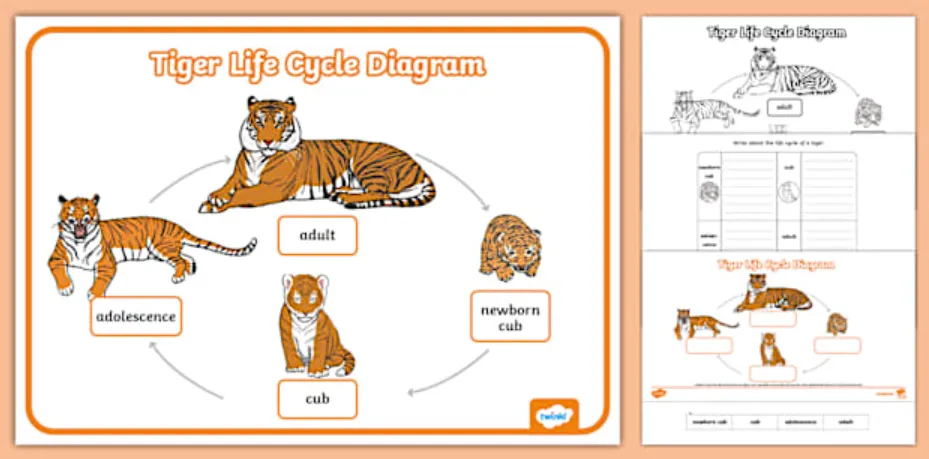
- The life cycle of a cat consists of several stages: kittenhood (birth to 6 months), adolescence (6 months to 1 year), adulthood (1 to 7 years), and senior years (7+ years). Cats undergo various changes during these phases, particularly in their growth, development, and reproductive abilities.
- How do cat fleas reproduce?
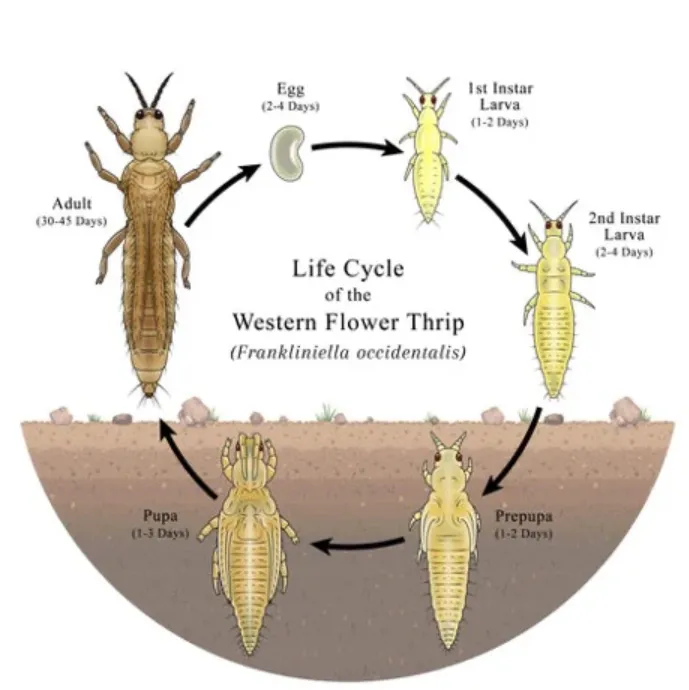
- Cat fleas lay eggs that fall into the environment, where they hatch into larvae, then pupae, and eventually mature into adult fleas. The life cycle of a flea can range from a few weeks to several months, depending on environmental conditions such as temperature and humidity.
- Why are fleas dangerous for cats?
- Fleas are more than just a nuisance; they can cause severe itching, allergic reactions, and lead to anemia, especially in kittens. Additionally, fleas can transmit tapeworms to cats.
Quick Life Cycle Table
| Stage | Duration | Description |
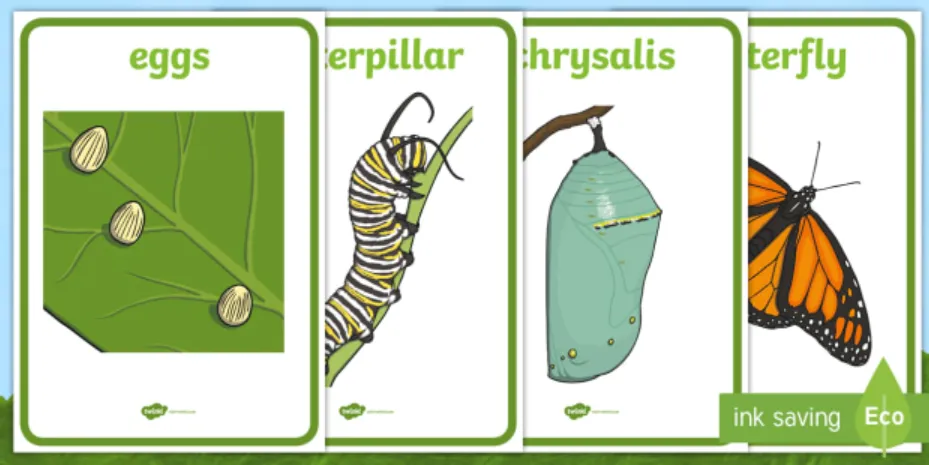
| Egg | 1-12 days | Flea eggs are laid on the cat and fall off into the environment. |
| Larvae | 5-20 days | Eggs hatch into larvae, which feed on organic matter. |
| Pupa | 1-2 weeks | Larvae spin cocoons and undergo metamorphosis into adult fleas. |
| Adult Flea | 2-3 months | Fully developed fleas emerge from the cocoon and begin feeding on the cat’s blood. |
The History of Their Scientific Naming
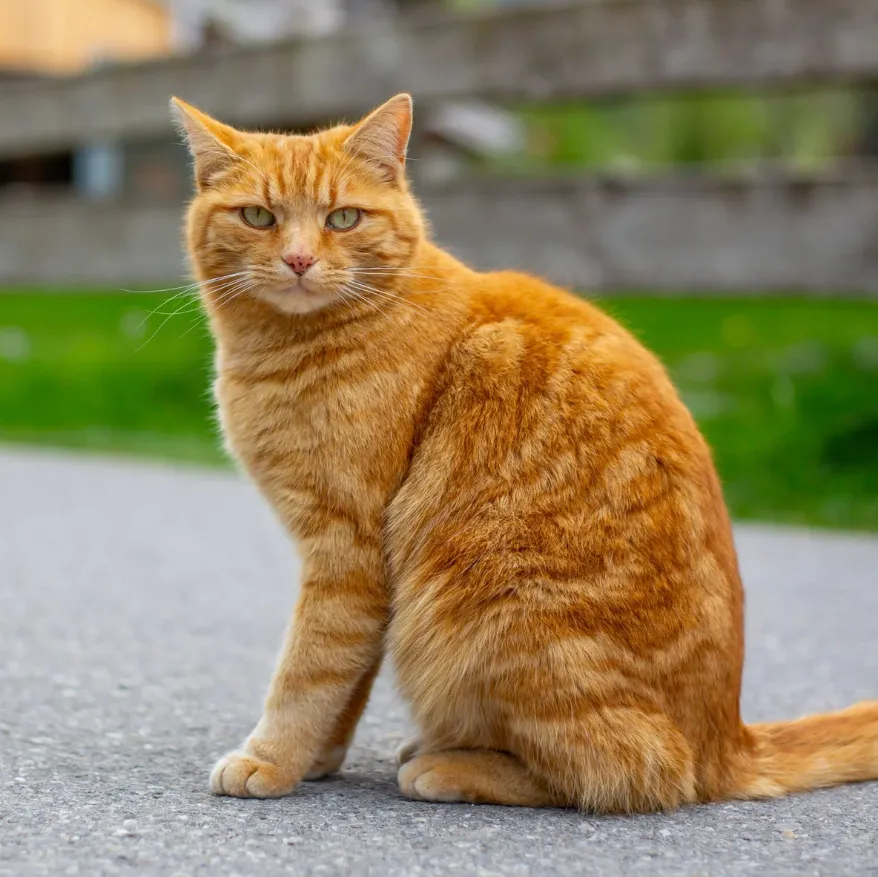
The domestic cat, scientifically known as Felis catus, has a long history. The genus name Felis comes from the Latin word for “cat,” which traces back to ancient civilizations where cats were revered for their ability to control pests like mice. Their scientific names also tie back to Latin roots that emphasize the cat’s graceful and agile nature.
Fleas, on the other hand, belong to the order Siphonaptera. Their scientific name comes from their distinctive features: “siphon,” meaning tube (for feeding), and “aptera,” meaning wingless. While fleas evolved independently of their feline hosts, their relationship with cats has become crucial in the study of parasitology.
Their Evolution and Origin
Cats and fleas have a long evolutionary history that spans millions of years. Felines, known for their adaptability and hunting prowess, are believed to have originated in Asia, with Felis catus evolving from wild ancestors such as the African wildcat. Over time, cats became domesticated, especially in ancient Egypt, where they were worshipped for their ability to protect grain stores from vermin.
Fleas, however, are much older creatures, with their origins tracing back over 100 million years to the time of the dinosaurs. These parasitic insects likely evolved from earlier blood-sucking ancestors that preyed on mammals and birds. As mammals like cats evolved, so did the fleas that infested them, leading to a specialized relationship that benefited both species: cats provided a steady food source for fleas. In contrast, fleas adapted to living on their hosts.
The evolution of fleas alongside cats highlights the intricate web of life that connects all living creatures, emphasizing how these parasites have perfected their survival strategies in the wild.
Their Main Food and Its Collection Process
Cats are obligate carnivores, meaning their primary source of nutrition comes from animal-based proteins. In the wild, cats hunt small mammals like rodents, birds, and insects, relying on their sharp claws, teeth, and stealthy hunting skills. Domestic cats may be fed commercial cat food that mimics this natural diet, consisting of meat, fish, and poultry.
Collecting food for wild cats typically involves stalking prey, a process that requires patience and skill. They are solitary hunters, often hunting alone during dusk or dawn when prey is most active. Domesticated cats, on the other hand, rely on their owners to provide food, but they still retain the instinct to hunt small creatures when allowed outside.
- Wild Cats: Hunt rodents, birds, and small mammals.
- Domestic Cats: Fed meat-based commercial cat food; hunting instincts remain strong.
Their Life Cycle and Ability to Survive in Nature
Life Cycle of Cats in Nature
The life cycle of a wild cat begins at birth, when kittens are helpless and dependent on their mother for survival. They rely on her for warmth, nutrition, and protection during the first few weeks. As they grow, they begin to develop their hunting skills, learning from their mother and gradually becoming more independent.
Once mature, cats typically lead solitary lives, marking their territory and hunting for food. They reach sexual maturity at around 6 months to 1 year old, and their reproductive process plays a significant role in maintaining the cat population in nature.
Cats have evolved to survive in a variety of environments, from forests to deserts, due to their ability to adapt to different climates and prey availability. Their agility, sharp senses, and stealth make them formidable hunters, capable of thriving in the wild.
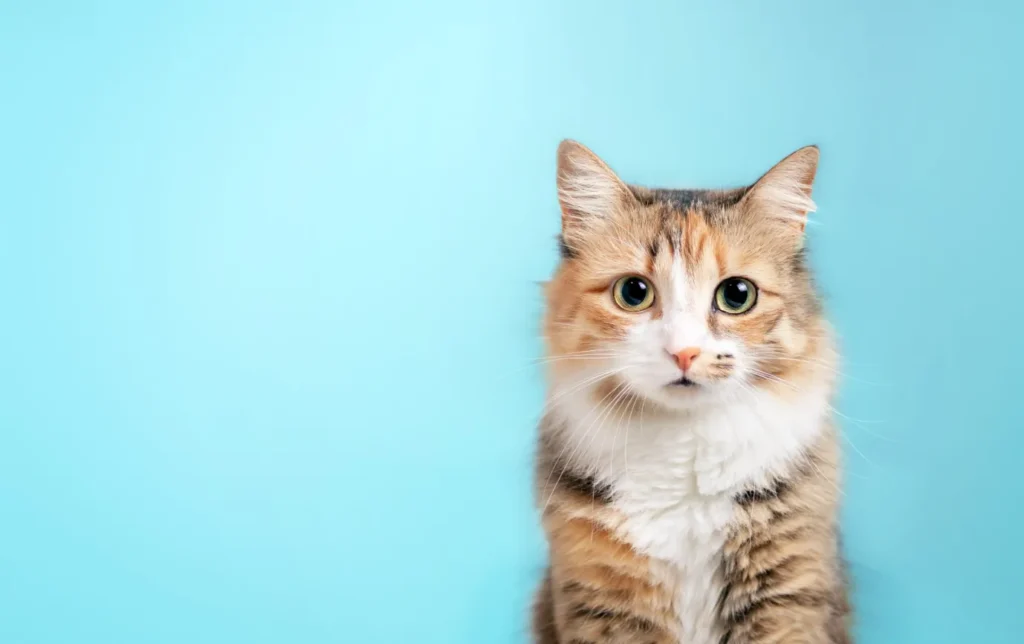
Their Reproductive Process and Raising Their Children
- Mating: Cats are seasonal breeders, typically mating during warmer months when food is abundant.
- Gestation: After mating, the female cat enters a gestation period of about 63-65 days, during which she gives birth to a litter of kittens.
- Raising Kittens: Kittens are born blind and deaf, relying on their mother for warmth and nutrition. The mother feeds them milk until they are old enough to eat solid food.
- Independence: As the kittens grow, they learn essential survival skills from their mother, including hunting, grooming, and territory marking.
Importance of Cats in the Ecosystem
How Cats Impact the Ecosystem
Cats play an essential role in controlling the populations of small mammals, birds, and insects, maintaining the balance within ecosystems. As predators, they help prevent overpopulation of certain species, which could otherwise lead to resource depletion. However, domesticated cats, especially those allowed outdoors, can sometimes pose a threat to local wildlife populations if not properly managed.
By controlling rodent populations, cats reduce the spread of diseases these pests carry, such as Lyme disease and leptospirosis. Additionally, their presence in ecosystems helps maintain a healthy balance between predators and prey, contributing to biodiversity.
What to Do to Protect Them in Nature and Save the System for the Future
- Control Cat Populations: Support spay-and-neuter programs to reduce the number of stray and feral cats.
- Provide Proper Care: Ensure domesticated cats are well-fed, sheltered, and protected from dangers outside.
- Promote Conservation Efforts: Encourage habitat protection to ensure that wild cats have safe environments in which to thrive.
- Avoid Feeding Stray Cats: This helps prevent cat overpopulation, which can negatively affect local ecosystems.
- Educate the Public: Raise awareness about the importance of responsible pet ownership and its impact on wildlife conservation.
Frequently Asked Questions (FAQs)
- How long do cats live in the wild?
- Wild cats typically live 7 to 10 years, although many may not survive past their first few years due to predators, food scarcity, or disease.
- What is the typical diet of a cat?
- Cats are obligate carnivores and primarily eat meat, including small mammals and birds in the wild.
- How often do cats reproduce?
- Cats can reproduce multiple times a year, with females typically going into heat every few weeks during the breeding season.
- Can fleas live on humans?
- Fleas prefer to live on animals like cats and dogs, but can bite humans. They are not capable of completing their life cycle on humans alone.
- How can I prevent fleas on my cat?
- Regular flea treatments, such as topical applications or oral medications, are effective in preventing flea infestations.
- What do fleas eat?
- Fleas feed on the blood of their hosts, including cats, dogs, and humans.
- Are domestic cats a threat to local wildlife?
- Yes, cats can harm local wildlife, especially birds and small mammals, when allowed outdoors.
- Do all cats carry fleas?
- Not all cats carry fleas, but many do, especially if they live in environments with high flea populations.
Conclusion
Understanding the life cycle of cats and their relationship with fleas provides valuable insights into the complex dynamics of nature. Cats, both domesticated and wild, play an essential role in maintaining ecological balance, while fleas, though parasitic, are part of this delicate ecosystem.
By learning about their evolution, reproductive processes, and survival mechanisms, we can better appreciate these creatures and the role they play in the world. Responsible pet ownership and conservation efforts are key to ensuring the future well-being of cats and the ecosystems they inhabit.
Also Read: mayfly life cycle





Leave a Reply