
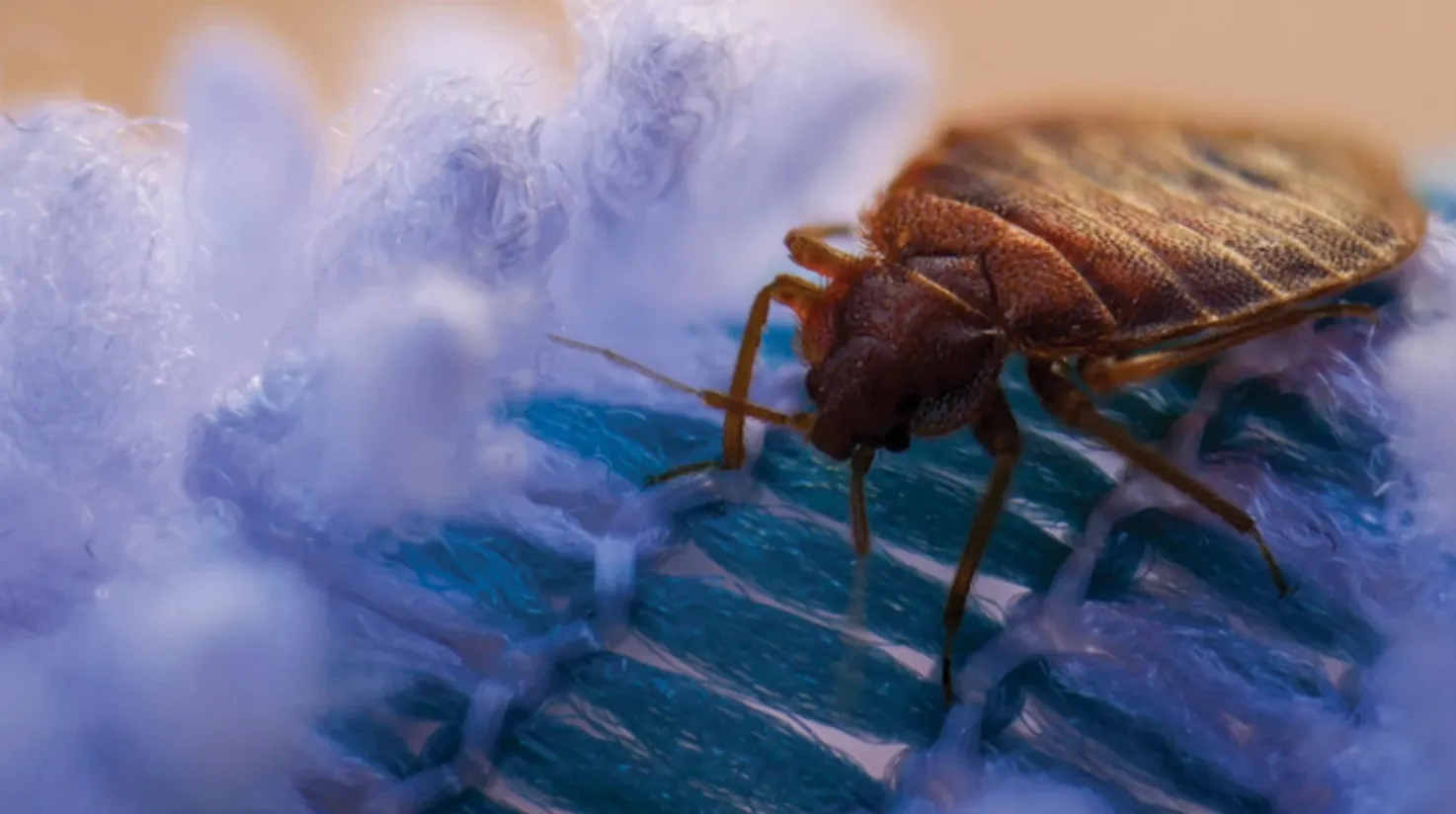
he life cycle of a bed bug is one of the most important aspects for preventing or controlling an infestation. Bed bugs are tiny, resilient insects that thrive in human environments, feeding on blood and hiding in cracks and crevices. Their rapid reproduction and ability to survive harsh conditions make them a serious household pest worldwide.
From bed bug eggs to fully grown adults, these insects go through several stages that allow them to multiply quickly. Understanding each stage helps homeowners and pest control professionals implement effective bed bug treatment strategies.
Many people also struggle to identify early signs, such as bed bug bites or recognising what a bed bug looks like, which leads to delayed action. By understanding their life cycle, you can detect infestations early and take appropriate measures, such as using bed bug spray or hiring a professional exterminator.
✅ Quick Answers (Most Common Questions)
1. How long is the life cycle of a bed bug?
The full life cycle typically takes 5 to 8 weeks, depending on temperature and food availability.
2. How fast do bed bugs multiply?
A single female can lay 200–500 eggs in her lifetime, causing rapid infestations within weeks.
3. Can bed bugs survive without feeding?
Yes, adult bed bugs can survive up to 6–12 months without feeding, making them extremely hard to eliminate.
Quick Life Cycle Table
| Stage | Duration | Key Characteristics | Survival Ability |
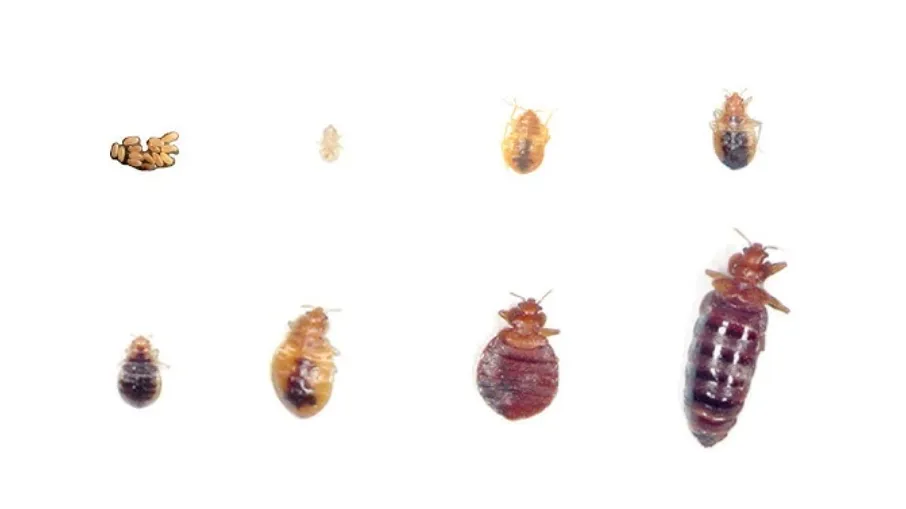
| Egg | 6–10 days | Tiny, white, sticky eggs | Highly resistant |
| Nymph (5 stages) | 2–6 weeks | Moults 5 times, needs blood meal | Can survive weeks without feeding |
| Adult | 4–6 months (or longer) | Reddish-brown, apple-seed size | Can survive months without food |
| Reproduction | Continuous | Females lay 1–5 eggs daily | Rapid population growth |
The History Of Their Scientific Naming
The scientific classification of bed bugs has evolved over centuries. Here are the key points explaining their naming:
- The common bed bug, scientifically known as Cimex lectularius, was first described by Carl Linnaeus in 1758.
- The genus Cimex comes from Latin, meaning “bug,” while lectularius refers to “bed” or “couch,” highlighting their habitat.
- Another species, Cimex hemipterus, is found in tropical regions and shows geographical variation.
- Early scientists initially confused bed bugs with other parasitic insects due to their similar feeding habits.
- Advances in entomology helped classify them as members of the family Cimicidae, which includes other blood-feeding parasites.
- Their scientific naming reflects their close association with humans and domestic environments.
This classification has helped researchers better understand their behaviour, reproduction, and resistance patterns.
Their Evolution And Their Origin
Bed bugs have a fascinating evolutionary history that dates back millions of years. Scientists believe that bed bugs originally evolved as parasites of bats, long before humans existed.
When early humans began living in caves, they unknowingly came into contact with these insects. Over time, bed bugs adapted to feeding on human blood, making humans their primary hosts.
Fossil evidence suggests that bed bugs existed around 115 million years ago, making them one of the oldest parasitic insects. Their ability to adapt to different hosts allowed them to survive environmental changes and spread globally.
With the rise of human civilisation, bed bugs travelled through trade routes, luggage, and furniture. They became common in densely populated areas, especially during the 18th and 19th centuries.
Although the use of pesticides in the mid-20th century reduced their numbers, bed bugs made a strong comeback due to:
- Increased international travel
- Resistance to insecticides
- Changes in pest control methods
Today, bed bugs are found worldwide, from luxury hotels to ordinary homes. Their evolutionary success lies in their adaptability, resilience, and ability to remain hidden.
Their main food and its collection process
Bed bugs are obligate blood feeders, meaning they rely entirely on blood for survival. Here’s how they feed and collect their food:
- Primary Food Source:
- They feed on human blood but can also bite animals, such as pets, if necessary.
- Nocturnal Feeding Behaviour:
- Bed bugs are most active at night when humans are asleep, making feeding easier.
- Detection Mechanism:
- They locate hosts by sensing body heat, carbon dioxide, and human odours.
- Feeding Process:
- They use a specialised mouthpart called a proboscis.
- Inject an anaesthetic and anticoagulant chemicals.
- Feed for 5–10 minutes without being noticed.
- After Feeding:
- Their bodies swell and turn reddish due to the ingested blood.
- Frequency of Feeding:
- They typically feed every 3–7 days, depending on availability.
- Survival Without Food:
- Nymphs can survive weeks, while adults can survive months without feeding.
This efficient feeding system allows bed bugs to thrive in human environments and sustain their life cycle.
Important Things That You Need To Know
Understanding related concepts is crucial when dealing with bed bugs. Here are key insights about bed bugs, bed bug eggs, bed bug spray, bed bug bites, and what a bed bug looks like.
Bed bugs are small, oval insects that are typically brown but turn reddish after feeding. Knowing what a bed bug looks like helps with early identification. They are about the size of an apple seed and often hide in mattress seams, furniture, and cracks.
Bed bug eggs are tiny, white, and almost invisible to the naked eye. They are often laid in hidden areas, making them difficult to detect and remove without proper inspection.
A common sign of infestation is the presence of bed bug bite marks. These bites appear as small, red, itchy welts, often clustered or arranged in lines on exposed skin.
Many people rely on bed bug spray as a first line of defence. While sprays can kill visible bugs, they may not eliminate eggs or hidden infestations. Professional bed bug treatment is often required for severe cases.
Their life cycle and ability to survive in nature
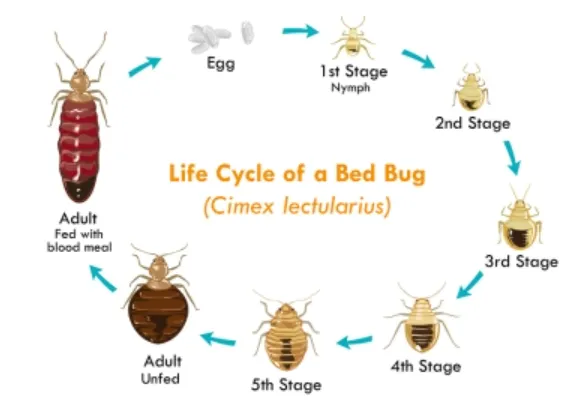
Egg Stage
Bed bugs begin their life as eggs. These are tiny, white, and sticky, allowing them to adhere to surfaces. Eggs hatch within 6–10 days.
Nymph Stage
After hatching, bed bugs enter the nymph stage, which has five developmental phases. Each stage requires a blood meal to moult into the next.
Adult Stage
Once they reach adulthood, bed bugs can reproduce and continue the cycle. Adults can live for several months under favourable conditions.
Survival Abilities
- Can survive extreme temperatures
- Hide in tiny cracks and crevices
- Live months without feeding
- Resistant to many pesticides
Their ability to survive makes them among the most persistent household pests.
Their Reproductive Process and raising their children
Bed bugs have a unique and somewhat disturbing reproductive process known as traumatic insemination.
- Mating Process:
- Males pierce the female’s abdomen to inject sperm directly.
- Egg Production:
- Females lay 1–5 eggs daily, up to 500 in a lifetime.
- Egg Placement:
- Eggs are laid in hidden areas, such as mattress seams and furniture cracks.
- Hatching:
- Eggs hatch within 6–10 days under favourable conditions.
- Growth of Nymphs:
- Nymphs must feed on blood before each moulting stage.
- Parental Care:
- Bed bugs do not care for their young; survival depends on the environment and food availability.
- Rapid Infestation Growth:
- A small number of bed bugs can become a large infestation within weeks.
This reproductive efficiency makes early detection critical.
The importance of them in this Ecosystem
Role in Food Chain
Bed bugs serve as food for certain predators, such as spiders and ants.
Indicator Species
Their presence can indicate hygiene issues or overcrowding.
Scientific Research
They are studied to understand parasite-host relationships and insect resistance.
Minimal Ecological Benefit
Unlike other insects, bed bugs do not contribute significantly to pollination or soil health.
While they are mostly considered pests, they still play a minor role in ecological balance.
What to do to protect them in nature and save the system for the future
Although bed bugs are pests, managing them responsibly helps maintain ecological balance.
- Avoid excessive use of harmful pesticides
- Use eco-friendly bed bug treatment methods
- Maintain cleanliness to prevent infestations
- Seal cracks and crevices in homes
- Regularly inspect furniture and bedding
- Wash clothes and bedding at high temperatures
- Use protective mattress covers
- Educate communities about prevention
Sustainable pest control minimises environmental harm.
Frequently Asked Questions (FAQs)
1. What do bed bug bites look like?
They appear as red, itchy welts, often in a line or cluster.
2. Can bed bugs live in clean homes?
Yes, cleanliness does not prevent infestations.
3. How do I identify bed bug eggs?
They are tiny, white, and found in hidden areas.
4. Is bed bug spray effective?
It helps but may not eliminate all stages of infestation.
5. How long can bed bugs live?
They can live up to a year under ideal conditions.
6. Do bed bugs spread diseases?
No, they are not known to transmit diseases.
7. Where do bed bugs hide?
In mattresses, furniture, cracks, and electrical outlets.
8. What is the best bed bug treatment?
Professional pest control combined with heat treatment is most effective.
Conclusion
Understanding the life cycle of a bed bug is essential for effective prevention and control. From tiny bed bug eggs to fully grown adults, each stage contributes to their rapid spread and resilience.
Their ability to survive without food, hide in small spaces, and reproduce quickly makes them one of the most challenging pests to eliminate. Recognising early signs, such as bed bug bites, and knowing what a bed bug looks like can help you take immediate action.
While tools like bed bug spray offer temporary relief, long-term solutions often require comprehensive bed bug treatment strategies. Awareness, prevention, and timely intervention are key to keeping your home safe.
By understanding their biology and behaviour, you can stay one step ahead and effectively protect your living space from infestations.
Also Read About: hymenoptera life cycle byjus





Leave a Reply